
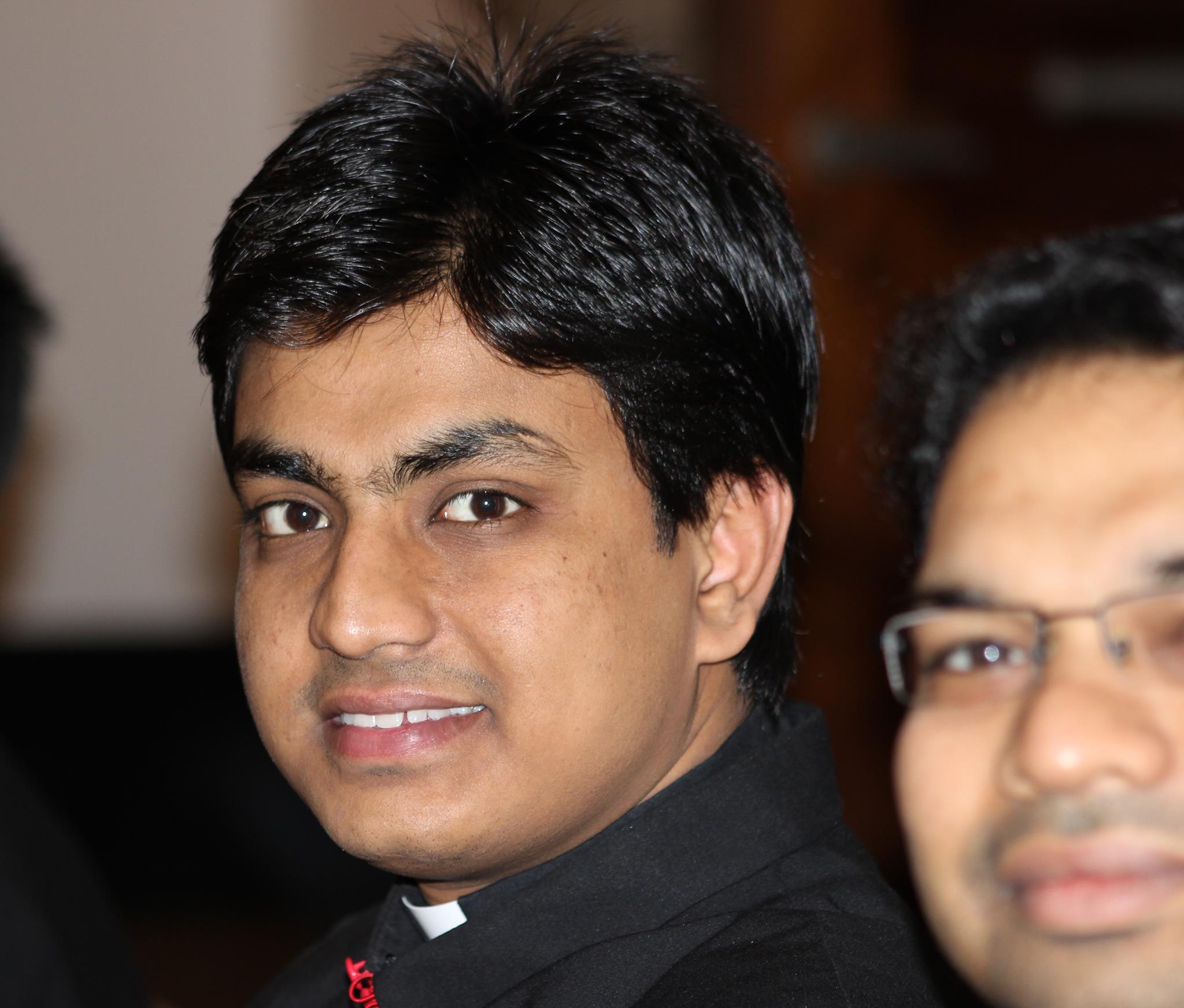


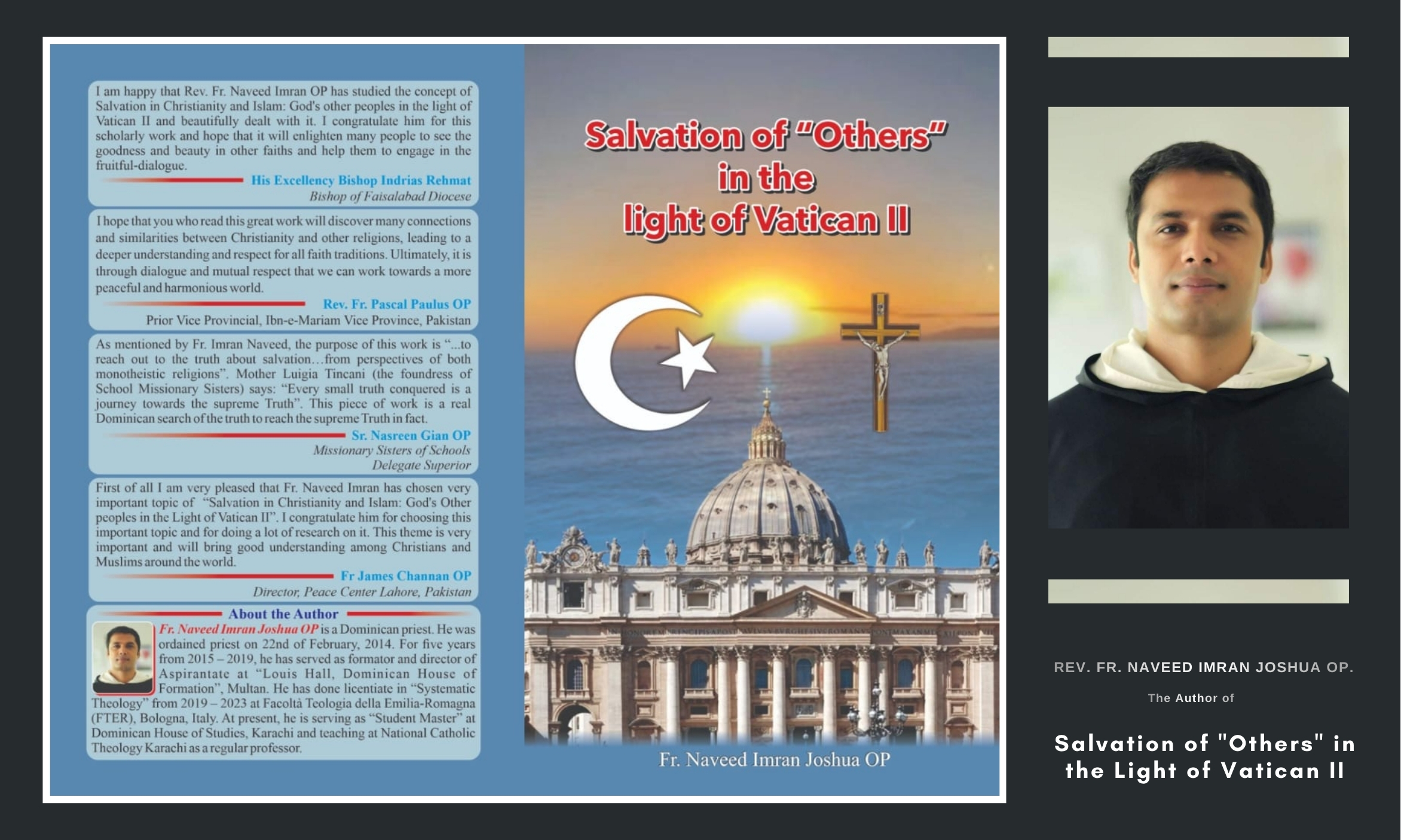
A significant theological contribution has emerged from the Dominican Order in Pakistan with the publication of Salvation of “Others” in the Light of Vatican II by Rev. Fr. Naveed Imran Joshua OP.
The work, originally developed as a research thesis during his theological studies in Italy, offers a comprehensive and nuanced exploration of the centuries-old question: Is there salvation outside the Church?
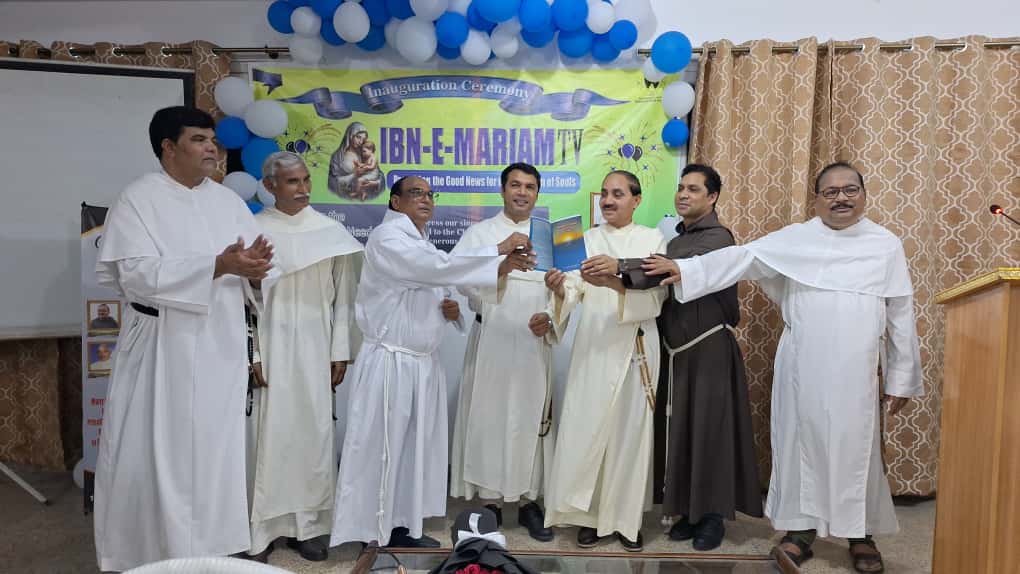
The book is already receiving remarkable appreciation from Church leaders, theologians, and scholars of interfaith relations, who affirm its importance for the Pakistani context and for global Christian Muslim dialogue.
An Intellectual Journey Rooted in a Personal Theological Question
In the preface, Fr. Naveed narrates his long-standing struggle with the classical statement of St. Cyprian: “Extra Ecclesiam Nulla Salus” (Outside the Church there is no salvation). Growing up in a Muslim-majority society and being familiar with the goodness, piety, and ethical lives of people from various religions, he found himself compelled to examine how the Church understands the salvation of non-Christians.
His reflections highlight the common monotheistic foundation shared by Judaism, Christianity, and Islam, all of which trace spiritual roots to Abraham and recognize God as the Creator of the universe. He acknowledges the moral lives of adherents of other world religions and raises the question of divine justice and mercy. Would a just God condemn individuals simply because they were not born Christian?
This interior struggle led the author to undertake a rigorous study of Sacred Scripture, the Church Fathers, major theologians, and the Magisterium, as well as Islamic sources including the Quran and Hadith. The book, therefore, is presented as an intellectual and spiritual journey seeking clarity on divine salvation.

A Work Shaped by Gratitude and Ecclesial Support
In his preface, Fr. Naveed expresses profound gratitude to God and to the many individuals who guided his research. He acknowledges Rev. Fr. Marcato Giorgio OP, his moderator in Bologna, and the faculty of the Facoltà Teologia dell’Emilia-Romagna (FTER). He also thanks the Dominican community in Bologna, colleagues, and fellow friars who assisted his work.
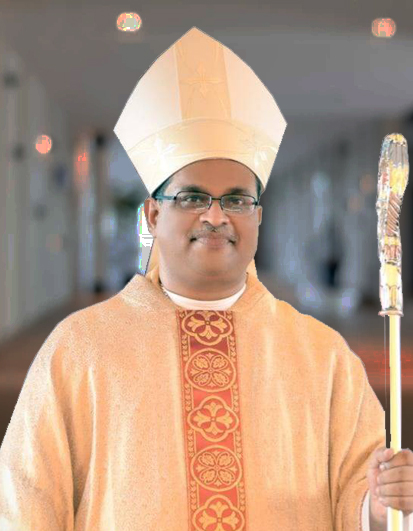
Special appreciation is offered to His Excellency Bishop Indrias Rehmat of Faisalabad for writing the forward, as well as to Dominican and religious leaders in Pakistan who contributed reflections to the publication. The book was published by Maktaba-e-Anaweem with the support of Rev. Fr. Emmanuel Asi.
Forward by Bishop Indrias Rehmat: A Call for Theological Balance and Dialogue
In his forward, Bishop Indrias Rehmat provides a clear theological framing of the classical doctrine that there is no salvation outside the Church. He traces this teaching from early Christianity to the Second Vatican Council. While affirming that Jesus Christ remains the universal Savior and that the Church is the sacrament of salvation, he also notes that Vatican II opened a broader and more inclusive understanding regarding the salvation of non-Christians.
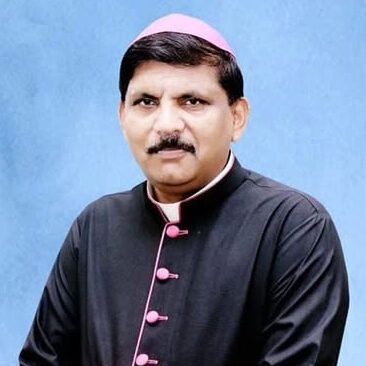
The Bishop highlights scriptural passages such as John 10:16, where Jesus speaks of other sheep beyond his fold, and St. Paul’s words in the Acts of the Apostles. He references key Church Fathers and modern theologians including Justin Martyr, St. Irenaeus, St. Thomas Aquinas, Karl Rahner, Henri de Lubac, and Yves Congar, who expanded the theological horizon concerning God’s grace operative outside visible Church boundaries.
According to Bishop Rehmat, Fr. Naveed’s work stands as an invaluable guide for readers who seek to understand both the traditional doctrine and its contemporary development. The book, he states, offers a bridge for interreligious understanding and fosters respect for other faith traditions.
Appreciation from Dominican Leadership: A Contribution to Catholic Theology in Pakistan
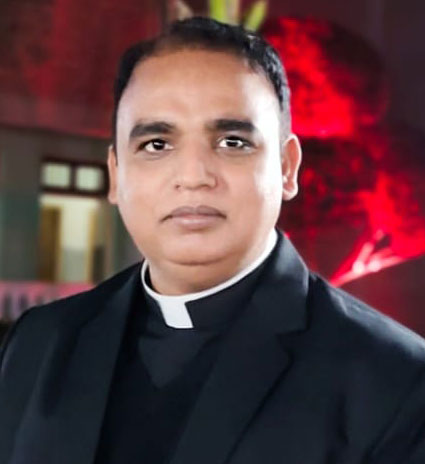
Very Rev. Fr. Pascal Paulus OP, Vice Provincial of the Ibn-e-Mariam Vice Province, writes that the book has greatly enhanced his understanding of Christian and Muslim perspectives on salvation.

He praises the clarity with which the author explains the concepts of grace, faith, and works in Christianity, and compares them with submission to the will of Allah and righteous deeds in Islam.
He emphasizes that the book allows readers to appreciate both the richness and complexity of the two religions, noting that such scholarship is essential in a country where Christians and Muslims live side by side. Fr. Pascal calls the work a gift to the Church in Pakistan and expresses hope that it will deepen mutual respect and promote dialogue.
A Global Perspective: Christianity, Islam, and the Question of Salvation
The third major endorsement comes from Rev. Fr. James Channan OP, Director of Peace Center Lahore, who situates the book in a global context. He observes that Christianity and Islam together comprise more than half of the world population, which makes the topic of salvation in both religions a matter of significant global relevance.
Fr. Channan reviews the classical Christian teaching based on John 14:6 and Mark 16:16, which proclaims Jesus Christ as the unique Savior whose grace is offered through faith and baptism. He also explains how Vatican II introduced a more positive estimation of other religions by recognizing “rays of truth” present in them.
He cites key passages from Lumen Gentium and Nostra Aetate, which acknowledge that Muslims worship the one Creator God and follow the faith of Abraham. These documents opened new possibilities for interreligious dialogue and cooperation.
Fr. Channan also provides an overview of Islamic teaching on salvation, which emphasizes submission to God, righteous action, and accountability for one’s deeds. He notes that Islam rejects intercession in the Christian sense and instead teaches individual responsibility before God. The book explains these positions with clarity and fairness.
He concludes by affirming that modern Church teaching recognizes the possibility of salvation for non-Christians according to God’s grace, while still upholding the fullness of salvation in Christ.
Structure and Theological Contribution of the Book
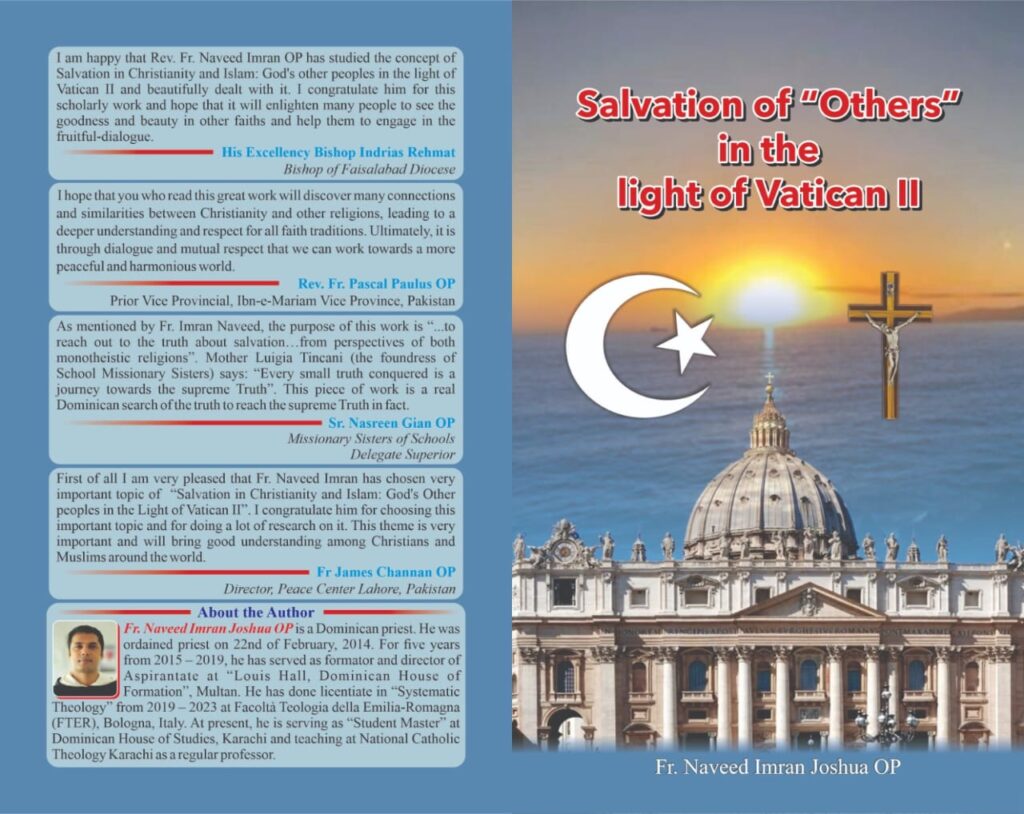
The book is divided into three major chapters:
1. Salvation Outside the Church: A Christian Perspective
This chapter reviews Scriptural foundations, patristic writings, scholastic theology, and Magisterial teaching about salvation. It examines the original meaning of extra ecclesiam nulla salus and traces its development over centuries.
2. Islamic Teaching on Salvation
This chapter explores the Islamic understanding of paradise, judgment, righteousness, accountability, and divine mercy.
3. Vatican II and the Reformulation of the Doctrine
The final chapter studies how Vatican II reshaped the understanding of salvation by acknowledging truths present in other religions and recognizing that individuals may be saved by following their conscience and responding to God’s grace.
Together, these chapters present a comparative theological study that is both academically rigorous and pastorally relevant.
A Bridge for Interfaith Understanding in Pakistan
The publication of Salvation in Christianity and Islam marks a meaningful step in Catholic scholarship within Pakistan. It opens pathways for respectful and informed dialogue between Christians and Muslims. It encourages believers to understand their own faith more deeply while appreciating the sincere religious convictions of others.
Leaders agree that the book will help readers discover points of convergence between the two great monotheistic traditions, inspire mutual respect, and promote peace in a society where interfaith harmony is greatly needed.
Share it:
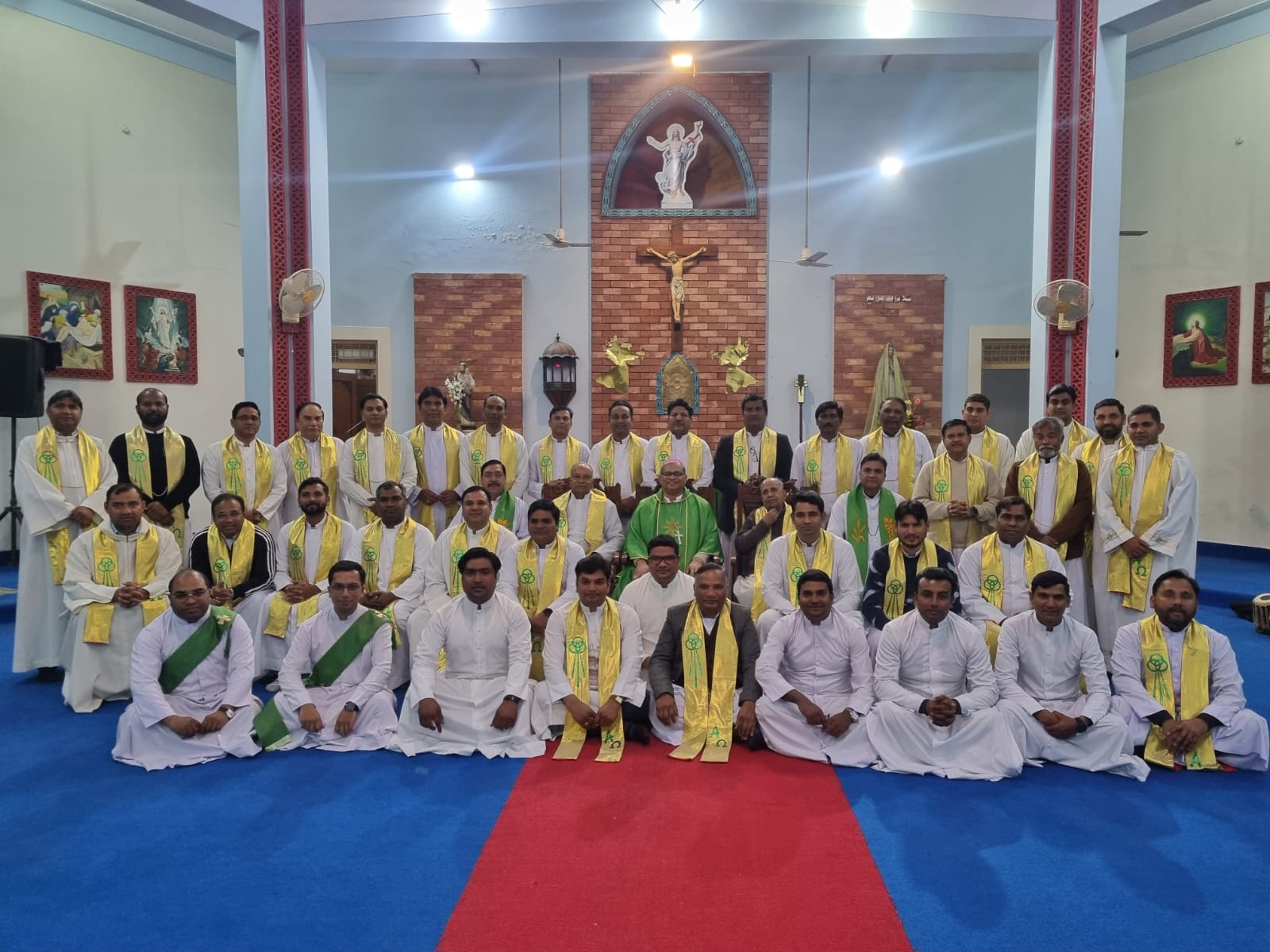
Dear fr. Naveed Imran OP I congratulate you on this meaningful edition to the local Church.
Hearty thanks dear Fr EMANUEL Fazal for your compliments. God bless you.