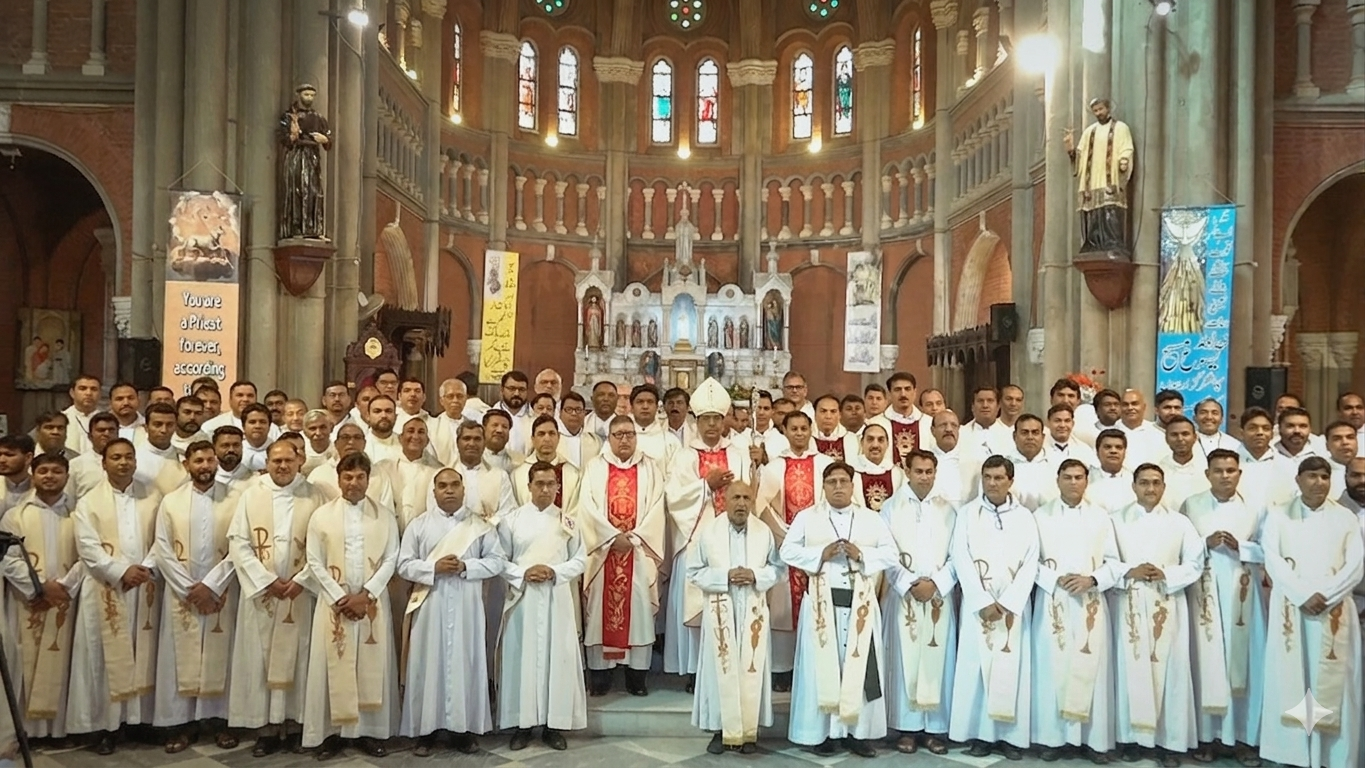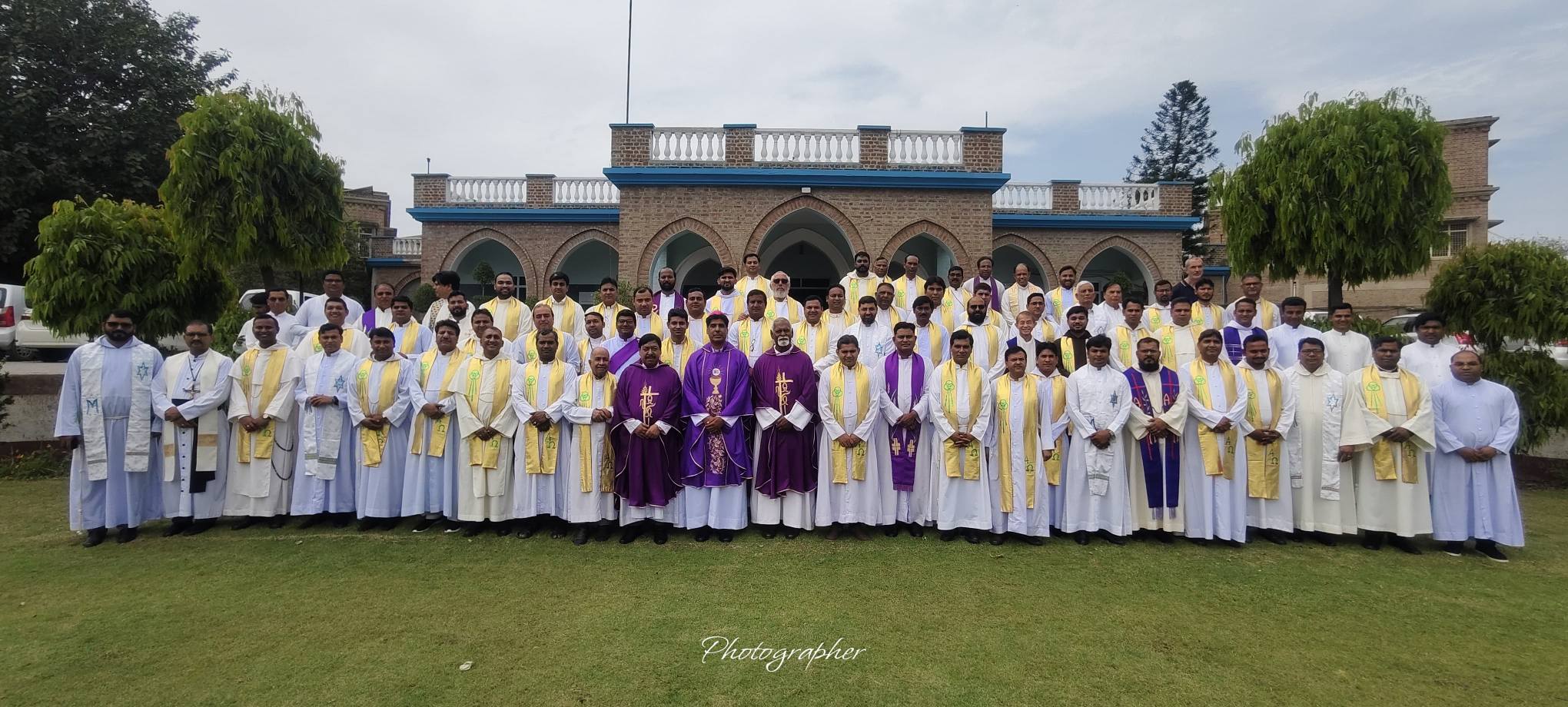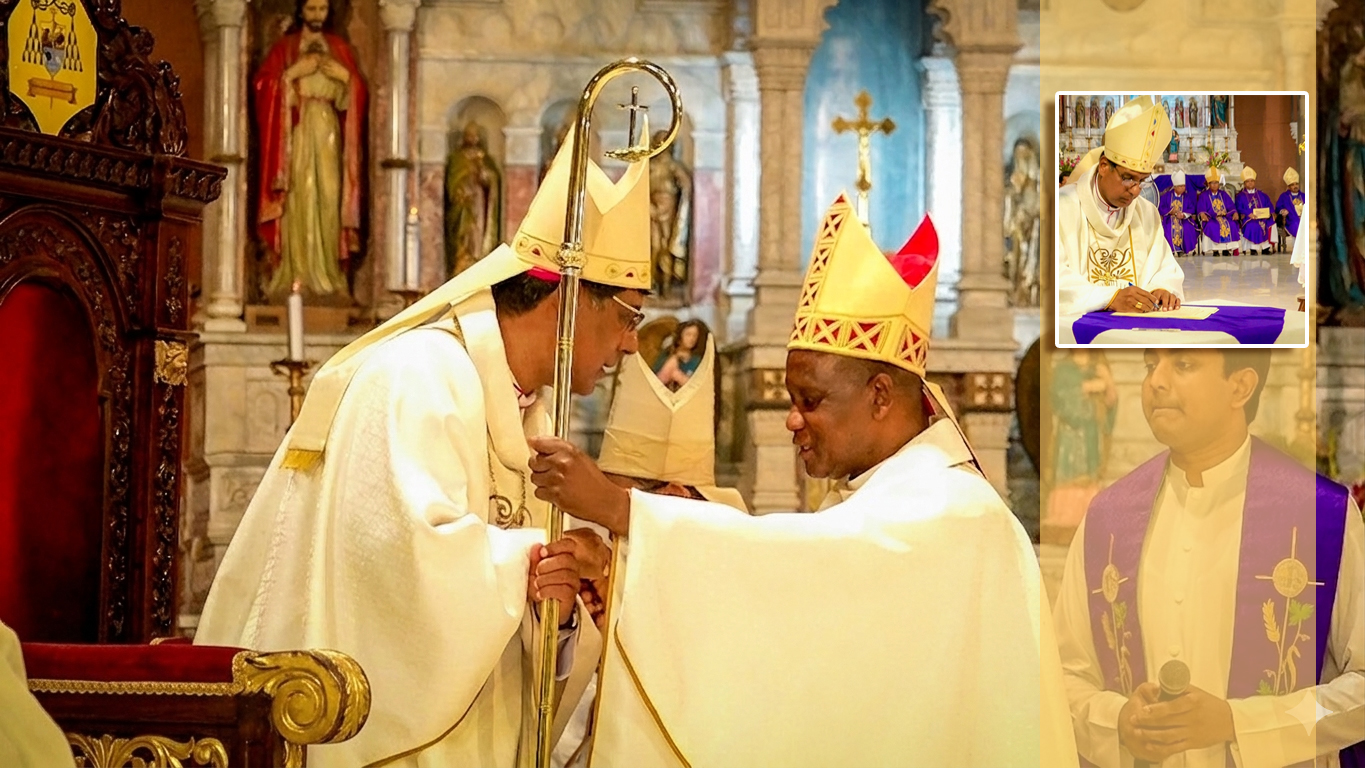
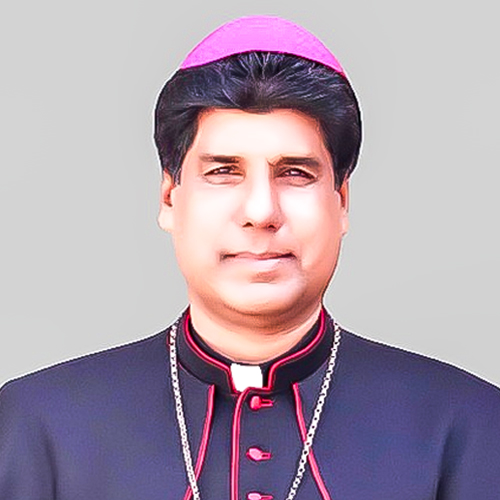
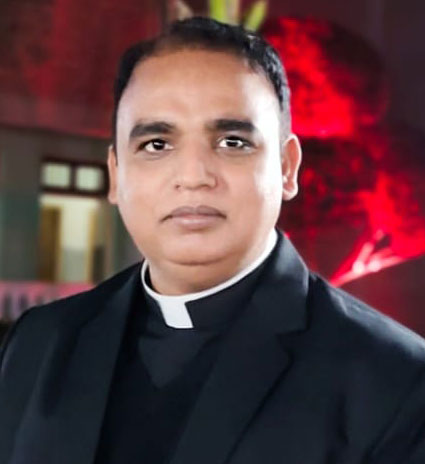

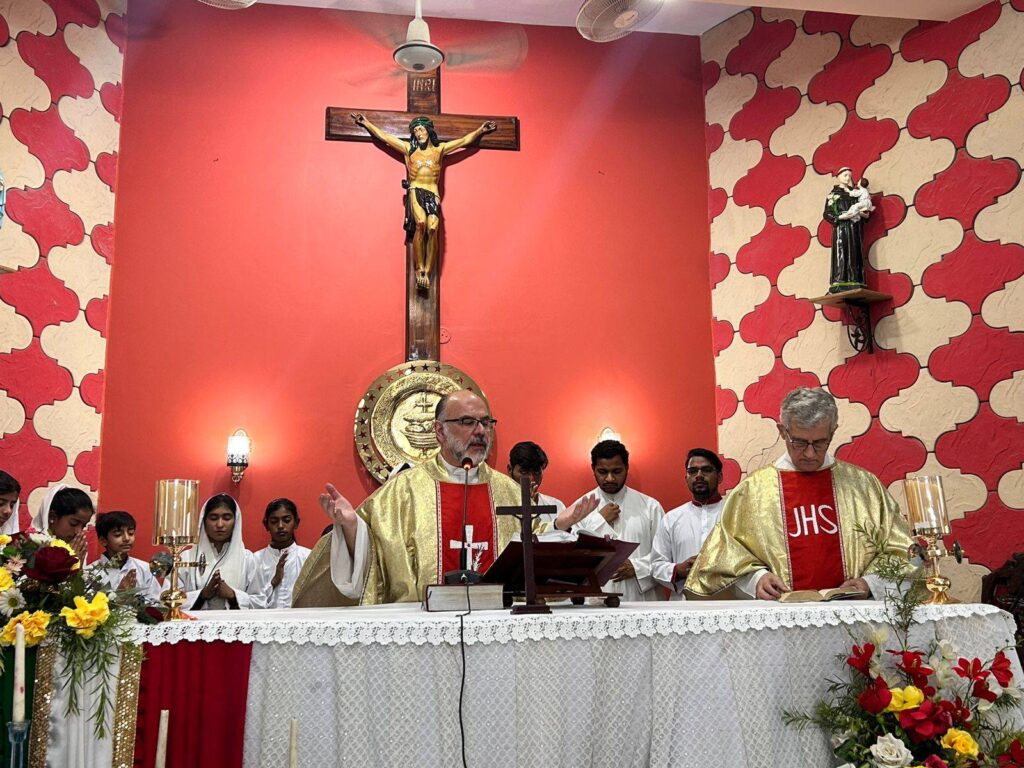
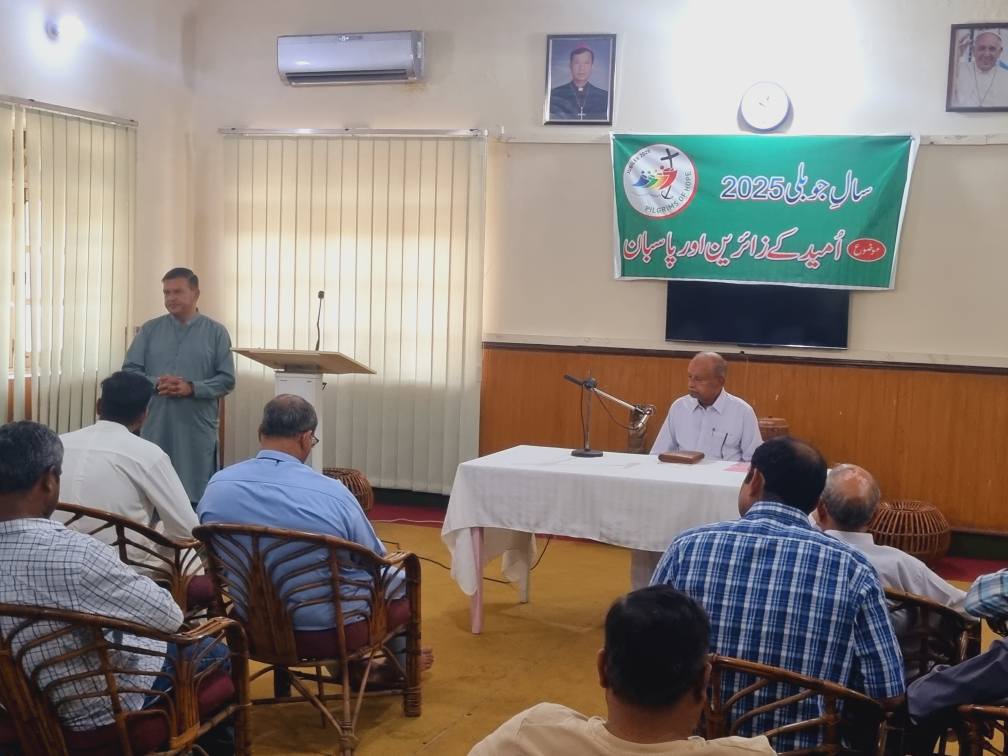
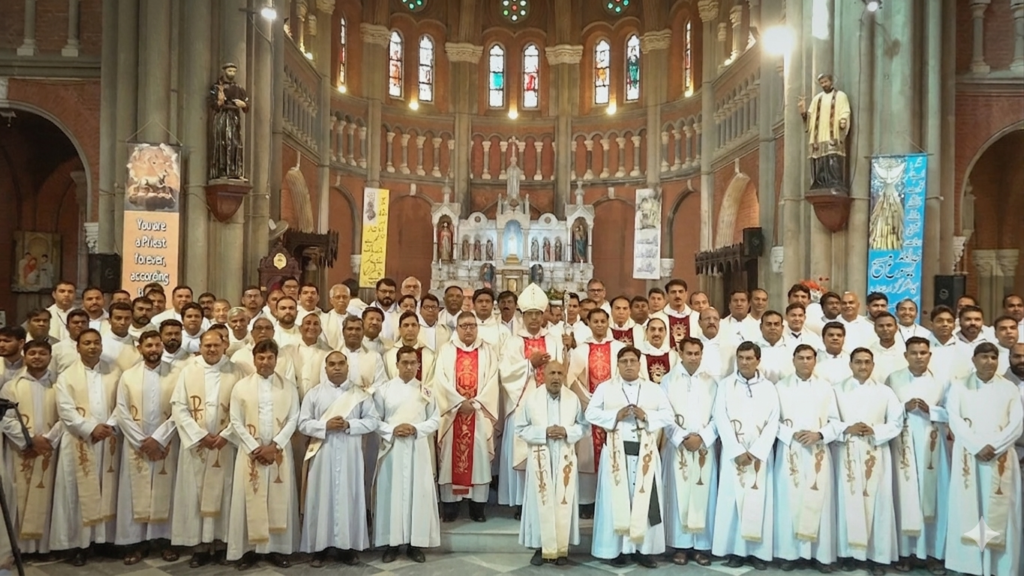
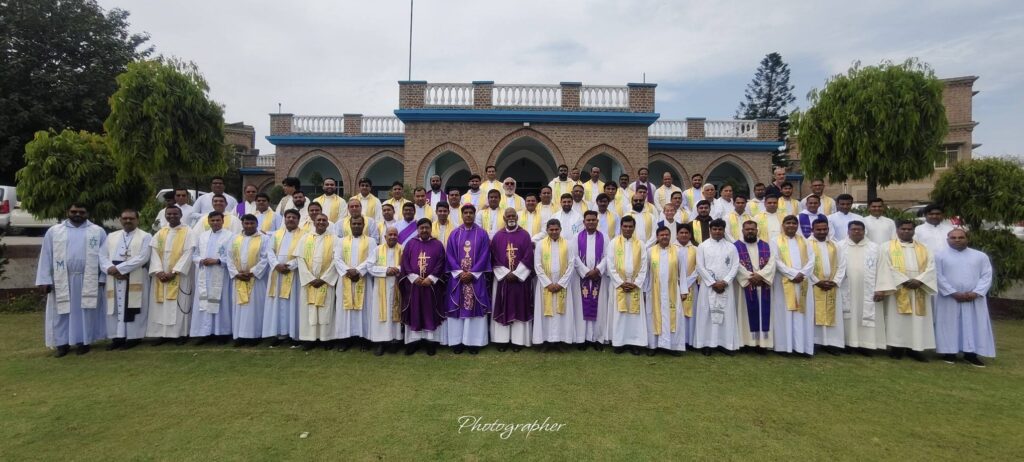
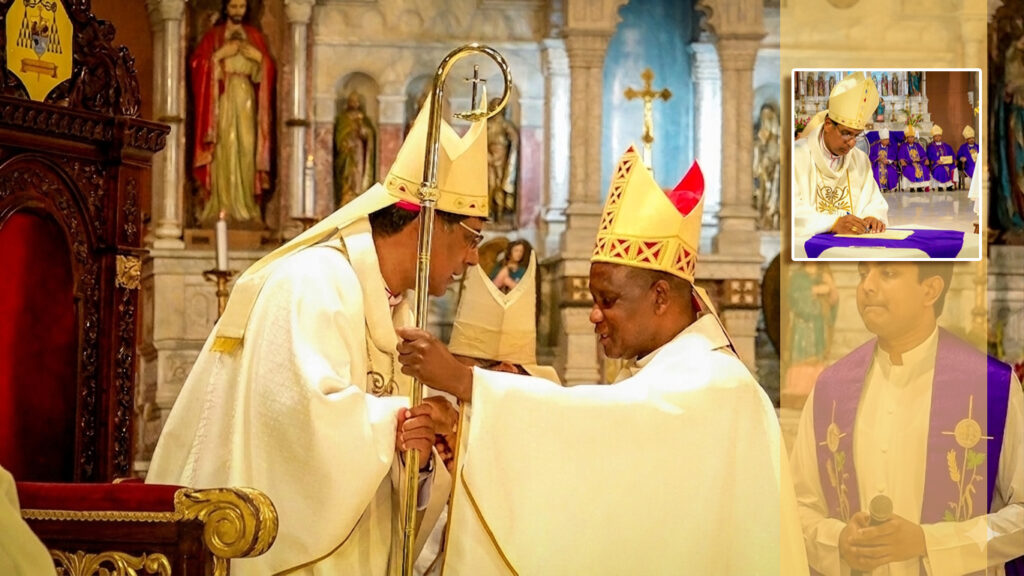
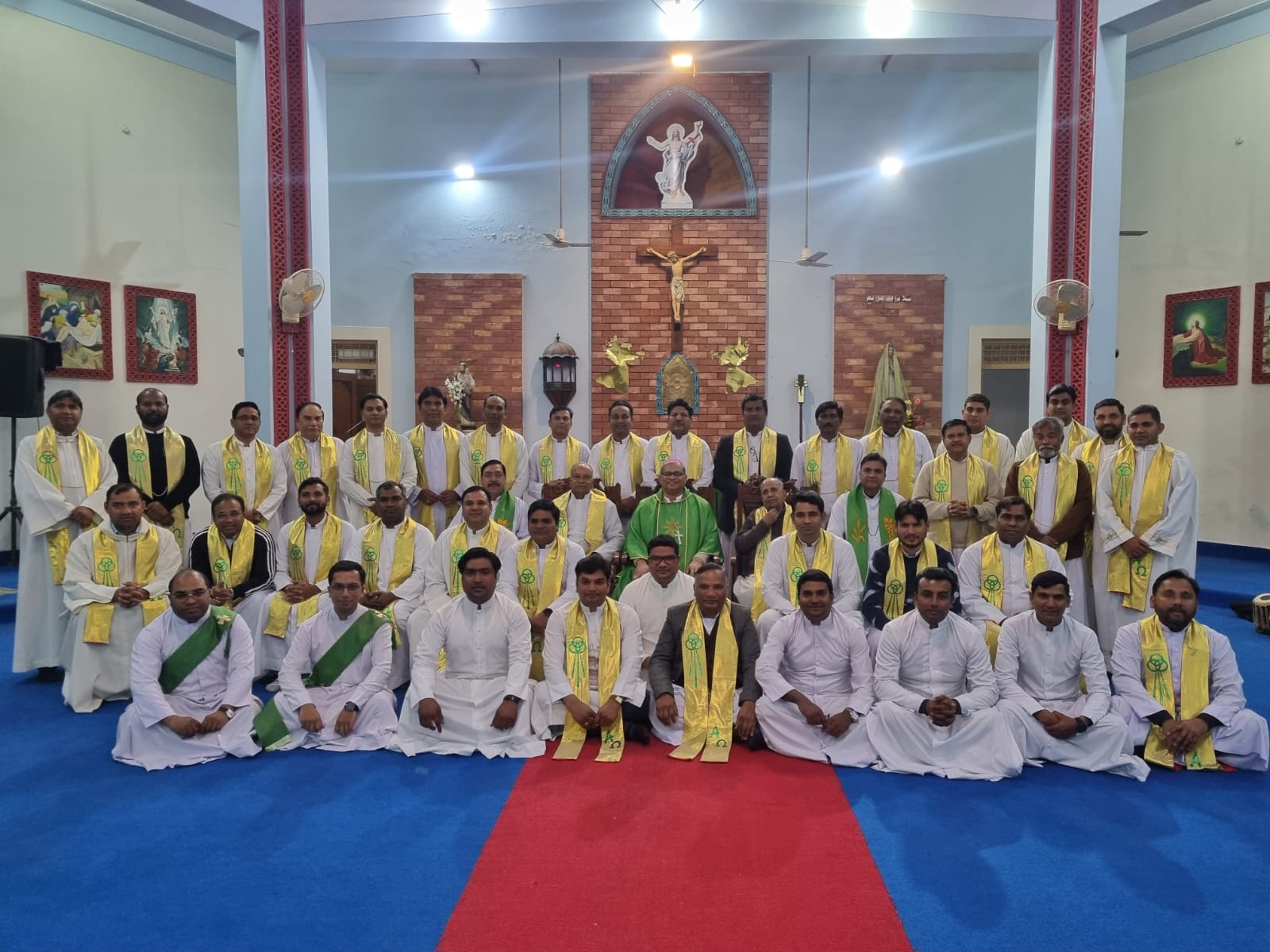
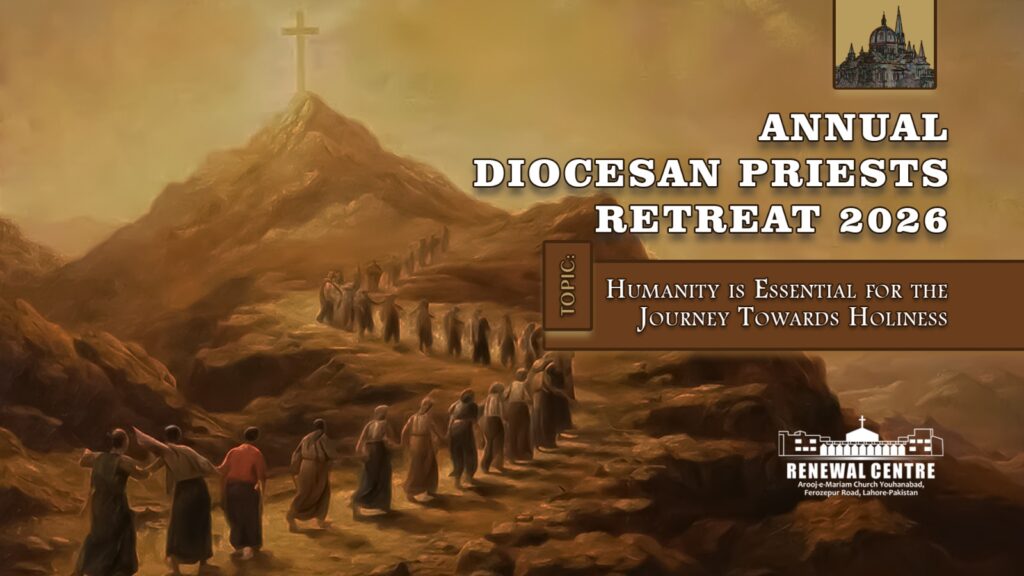
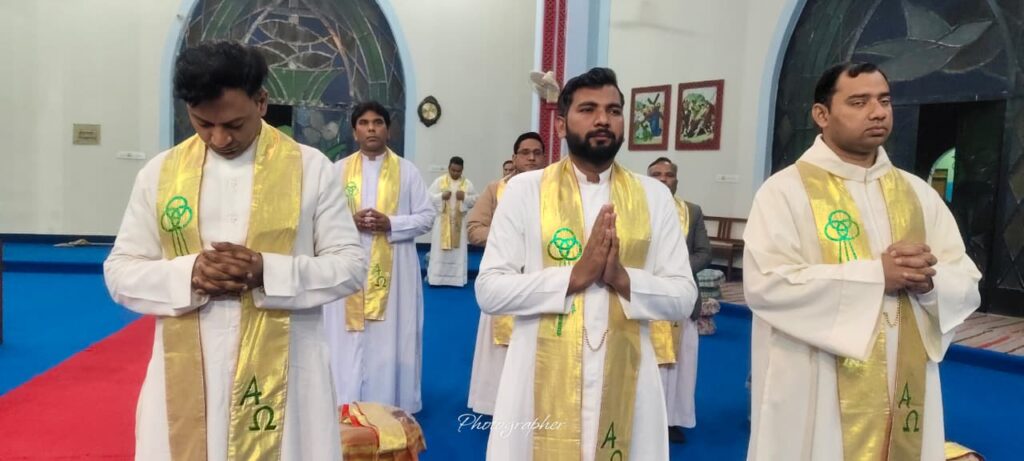
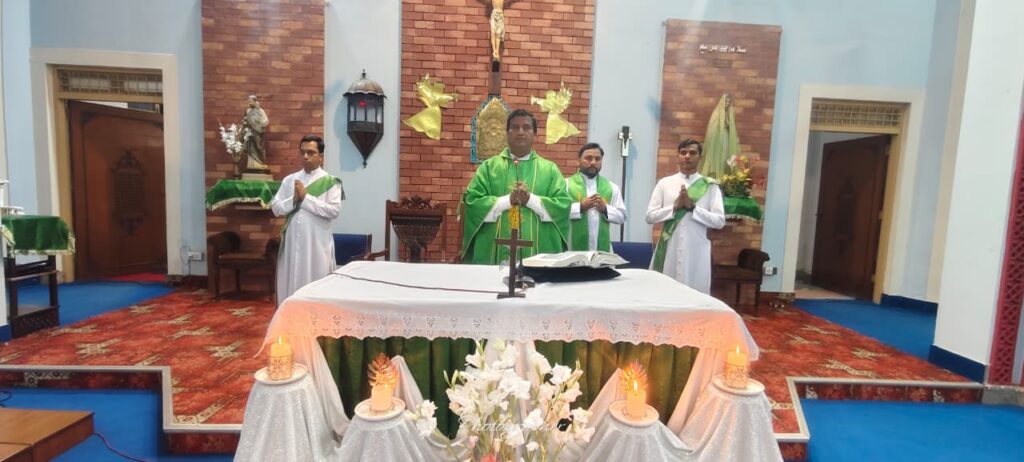
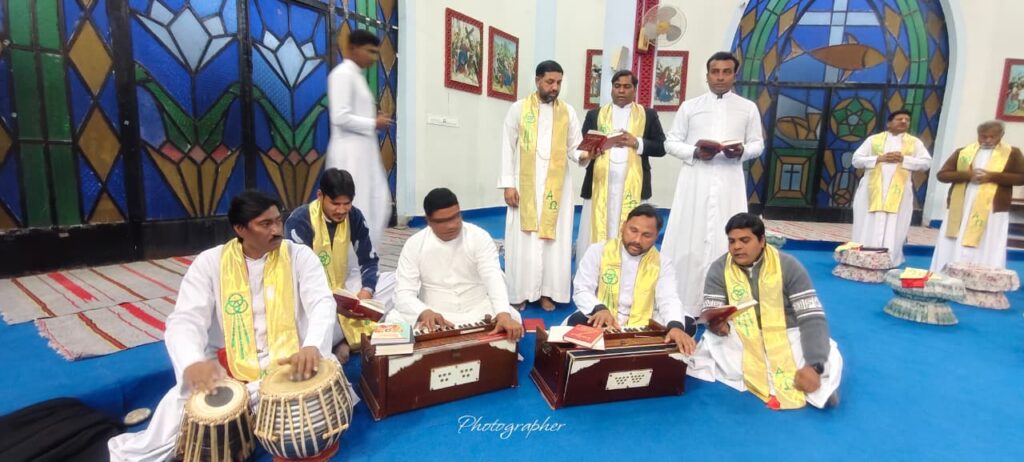
Lahore, Pakistan — The Archdiocesan Fraternity Committee of the Archdiocese of Lahore organized the Annual Retreat for diocesan priests from 10–14 February at Arooj-e-Mariam Renewal Centre, Youhanabad, under the guidance of His Grace Archbishop Benny Mario Travas.The retreat was preached by Rev. Fr. Patrick Samuel OFM Cap on the theme: “Humanity Is Essential Towards Holiness.”
The Holiness of a Priest: Configuration to Christ
At the heart of the retreat was the foundational truth that all Christians are called to holiness, as taught by the Second Vatican Council in Lumen Gentium. Yet the priest, through the Sacrament of Holy Orders, is configured to Christ in a unique and sacramental way. Priesthood is not merely functional but ontological. The priest stands in persona Christi Capitis — in the person of Christ the Head.
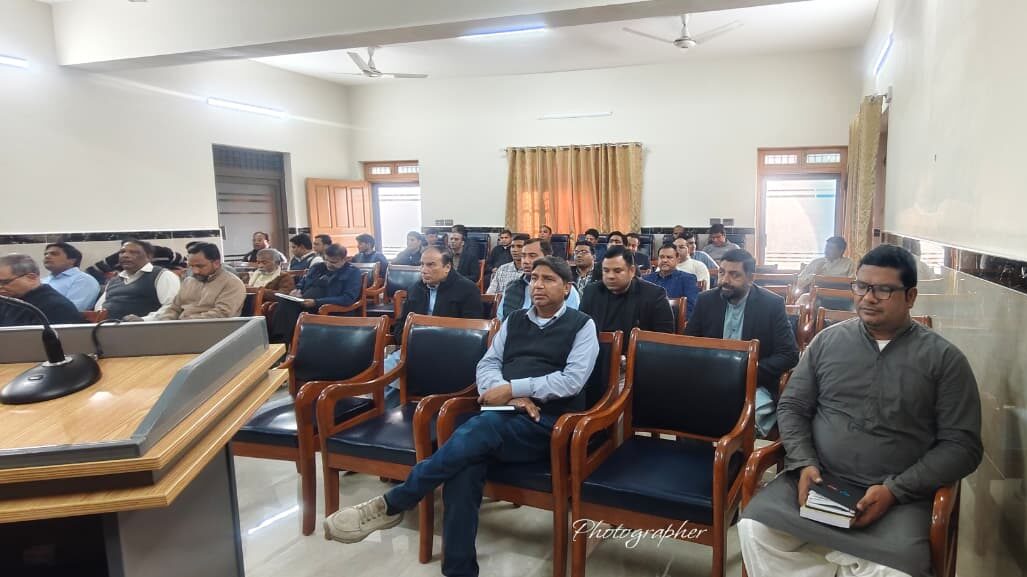
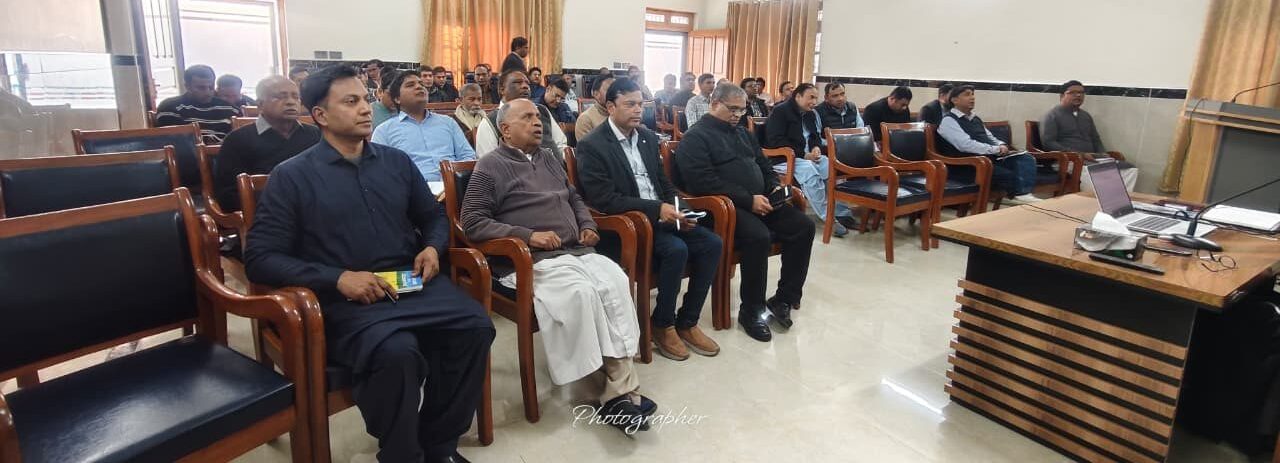
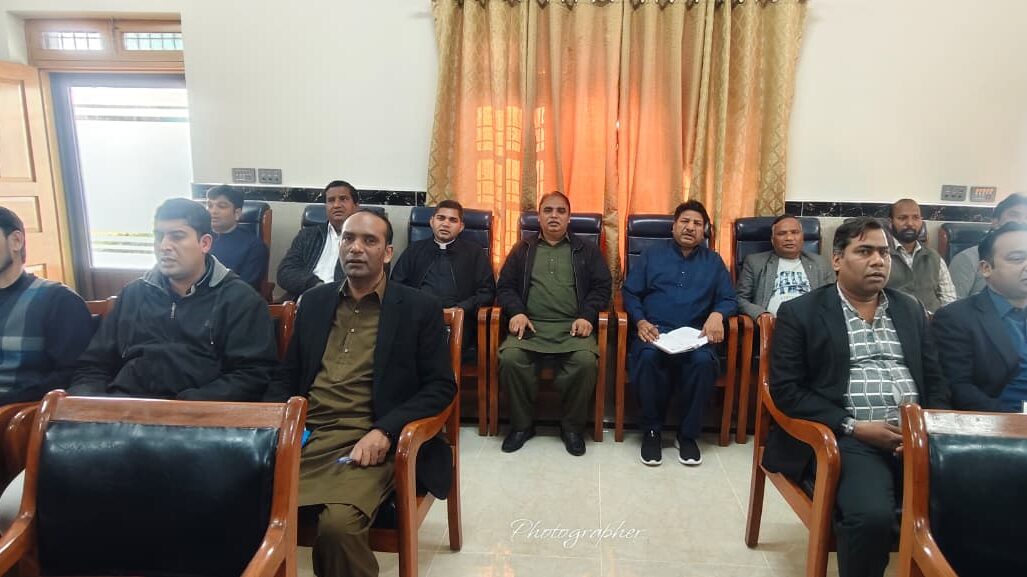
Fr. Patrick reminded the clergy that when they celebrate the Eucharist, absolve sins, or anoint the sick, it is Christ who acts through them. Therefore, the priest must strive to become what he represents. Holiness flows not from activity but from belonging to Christ. Before preaching or leading, the priest is first chosen and loved by God.
The Eucharist was presented as the source and summit of priestly holiness. “The Eucharist must not only be what we celebrate; it must become what we are.” A routine or mechanical celebration of the Mass weakens priestly identity, while a prayerful and conscious participation in the Paschal Mystery deepens sanctification.
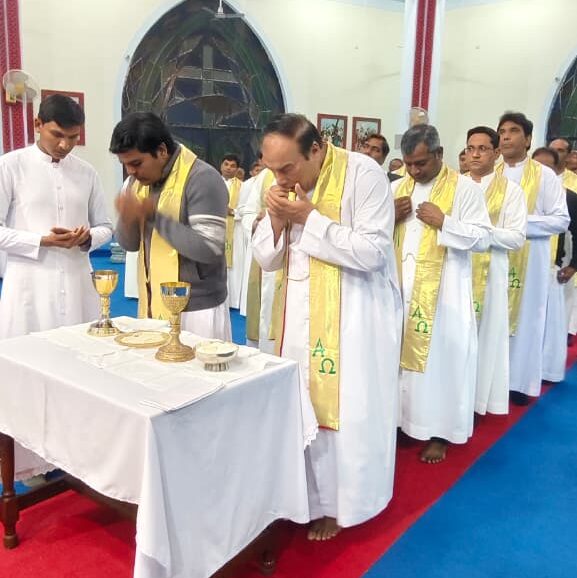
Drawing inspiration from St. John Vianney, St. Padre Pio, and St. John Paul II, Fr. Patrick stressed that authentic priestly influence comes not from brilliance or efficiency, but from holiness, humility, and fidelity.
Humanity and Holiness: The Incarnational Foundation
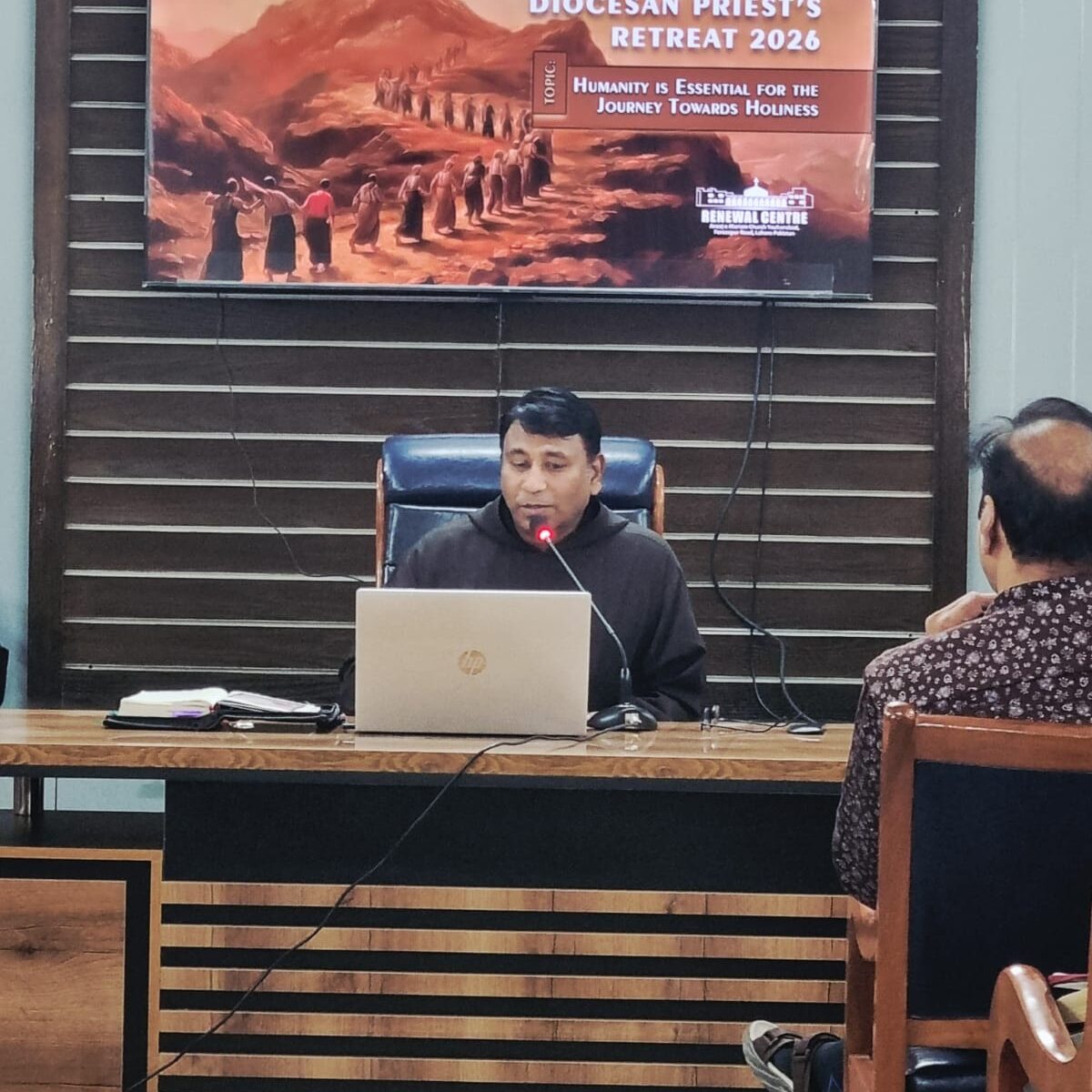
Building on priestly identity, the retreat explored the profound relationship between humanity and holiness. Fr. Patrick reflected on the biblical understanding of the human person created in the image and likeness of God (Genesis 1:26). This truth grounds the dignity of every human being and underlies the Church’s moral and social teaching.
Referencing Pastores Dabo Vobis and the Ratio Fundamentalis Institutionis Sacerdotalis,
He explained that priestly formation rests upon four interconnected dimensions: human, spiritual, intellectual, and pastoral. Without solid human formation, spiritual and pastoral effectiveness remain fragile.
Holiness, he emphasized, begins not by denying human weakness but by embracing it in the light of the Incarnation. “The Word became flesh” (John 1:14). God chose to save humanity by entering fully into it. Jesus experienced fatigue, sorrow, loneliness, and anguish. If Christ sanctified human experience, then humanity cannot be an obstacle to holiness.
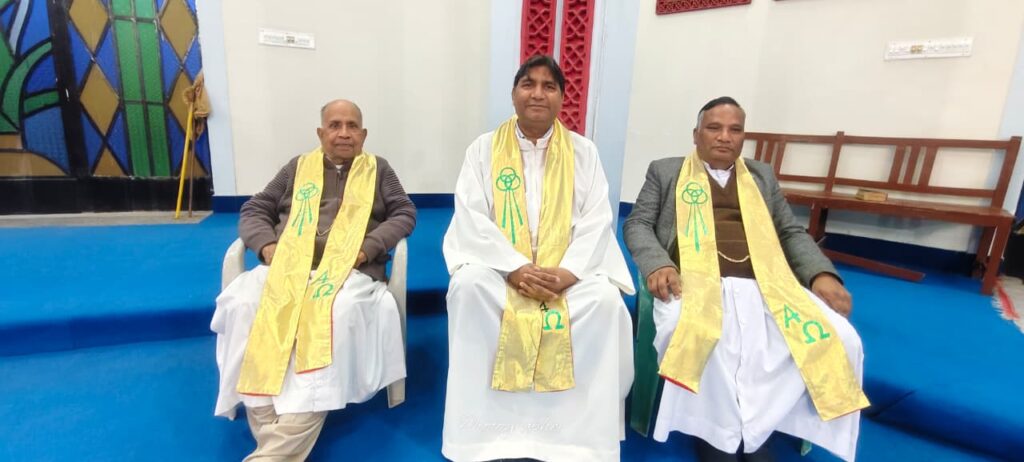
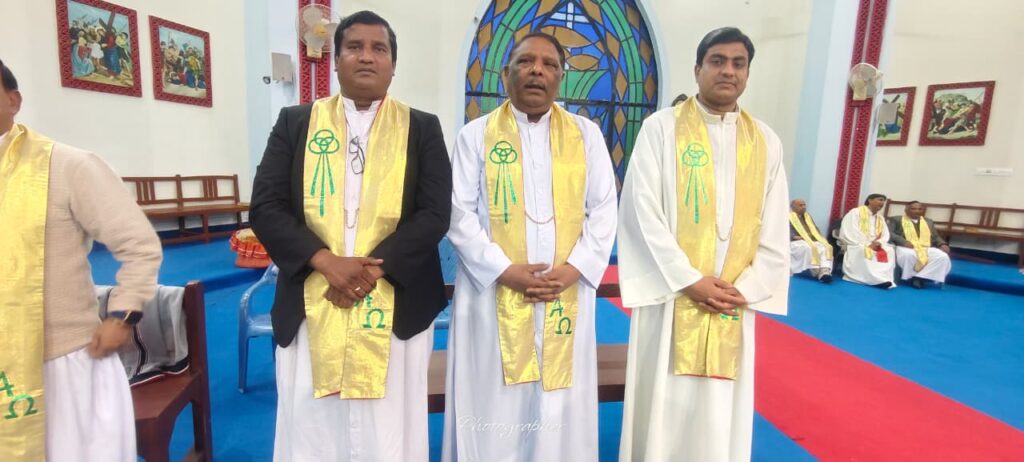
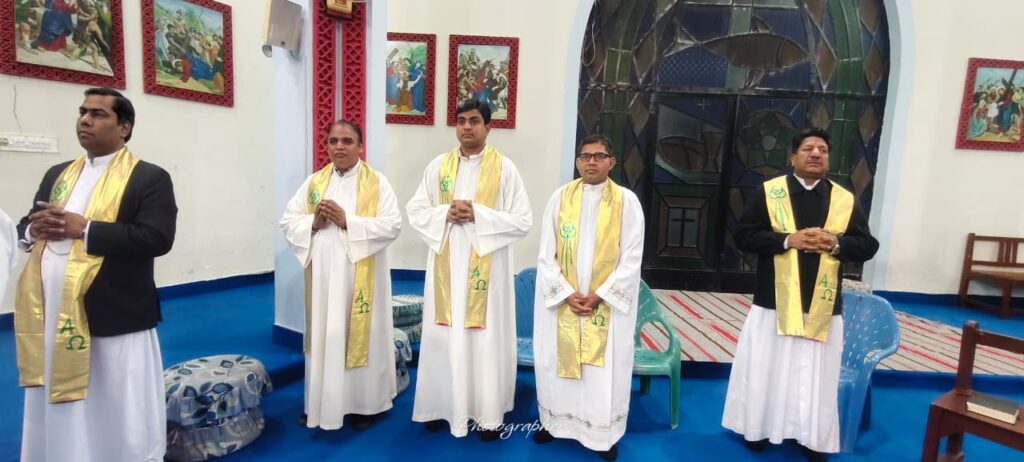
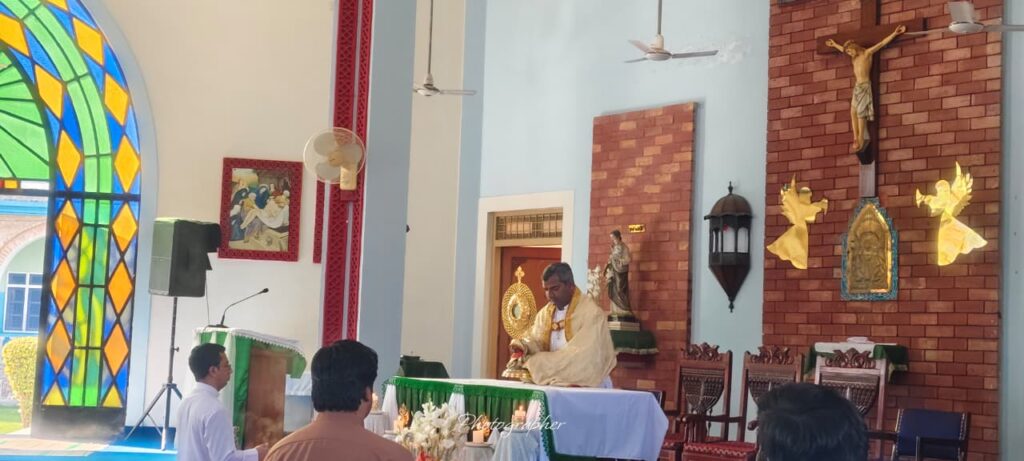
When priests suppress their humanity, emotions go underground, burnout increases, relationships suffer, and joy diminishes. When priests accept their humanity, prayer becomes honest, compassion deepens, and ministry becomes credible and fruitful.
Prayer, he explained, is not presenting our best self to God, but bringing our real self before Him. Holiness does not begin by climbing higher; it begins by standing honestly where we are.
Pastoral Compassion: The Shepherd Among His People
The retreat also emphasized pastoral compassion as a natural fruit of integrated humanity. Reflecting on the Good Samaritan and the World Day of the Sick theme, Fr. Patrick highlighted the call to “bear one another’s pain.”
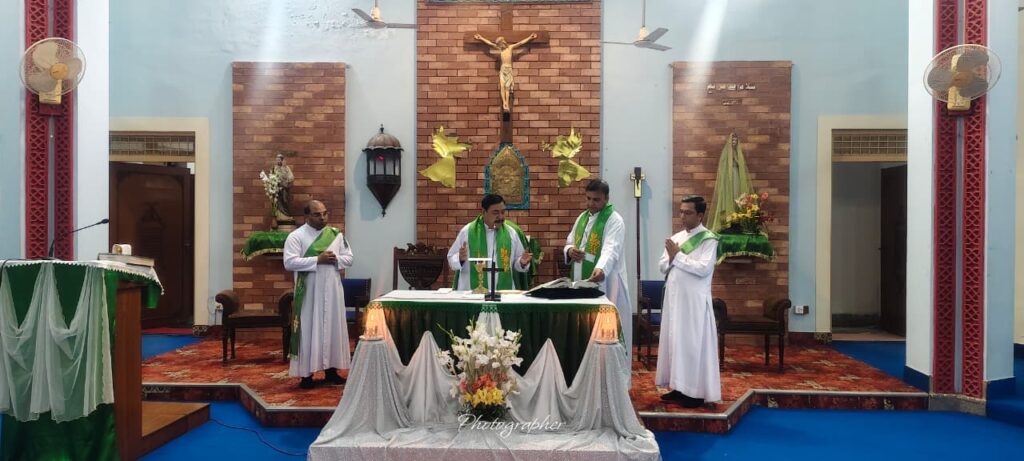
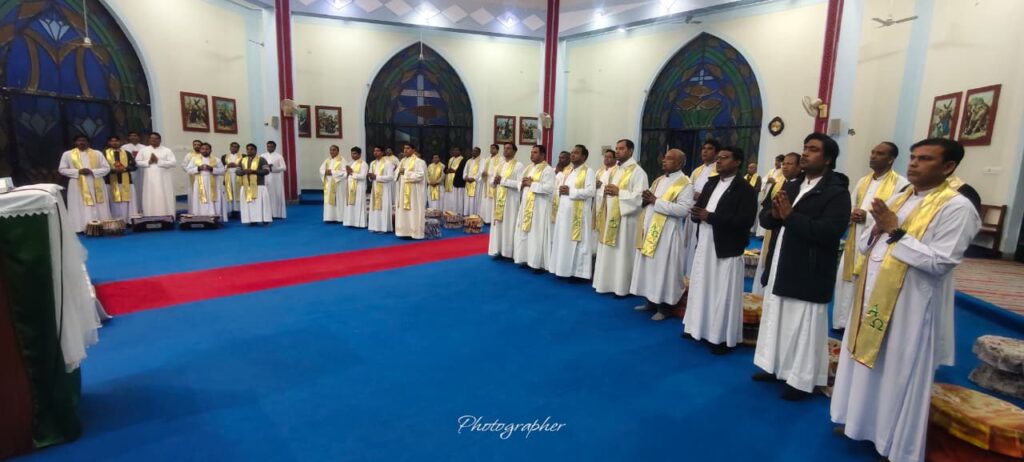
In the context of Pakistan, where many people live amid fear, poverty, discrimination, and fragile hope, a priest disconnected from his own humanity struggles to touch the wounds of others. A priest reconciled with his humanity becomes a sacrament of God’s closeness.
Echoing Pope Francis, he noted that a shepherd must have the “smell of the sheep.” This pastoral nearness flows not from theory, but from shared humanity and attentive listening.
The Power of Interior Shifts
In a culminating synthesis, Fr. Patrick invited the priests to embrace what he described as “interior shifts” — deep movements of conversion that reshape attitudes, priorities, and behavior. A shift is more than external change; it is a transformation of the heart.
Among the essential shifts proposed were:
- From noise to inner silence
- From indifference to availability
- From power to compassionate service
- From control to accompaniment
- From harsh judgment to merciful discernment
- From isolation to fraternity
- From activism to prayerful presence
- From duty to love-driven mission
These shifts reflect a journey from self-centered ministry to Christ-centered shepherding. True pastoral leadership, he affirmed, is marked by humility, listening, availability, and joyful service.
“Humanity is not an obstacle to priestly holiness; it is its pathway,” he concluded, encouraging the clergy to rediscover the original joy of their vocation and to allow grace to transform their human limitations into channels of mercy.
Episcopal Presence and Encouragement
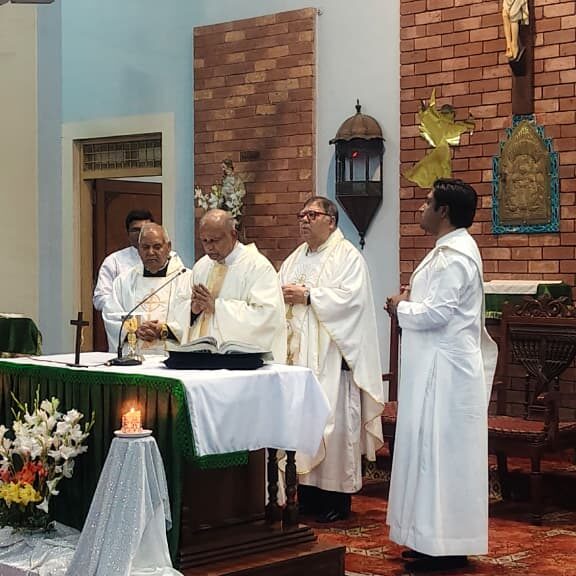
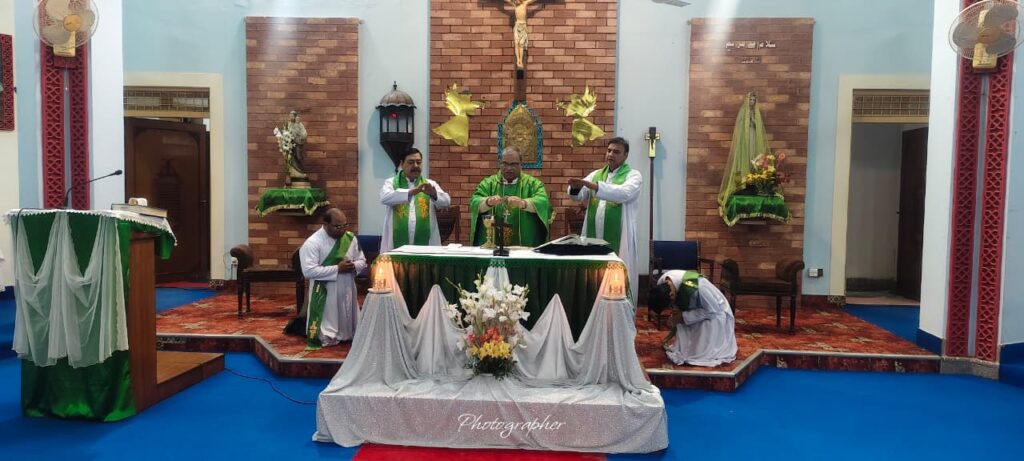
During the retreat, Archbishop Benny Mario Travas presided over one of the Holy Masses and expressed heartfelt gratitude to the priests for their presence and for their generous and dedicated service to the Archdiocese. He encouraged them to persevere in holiness and pastoral zeal, assuring them of his paternal support and prayers.
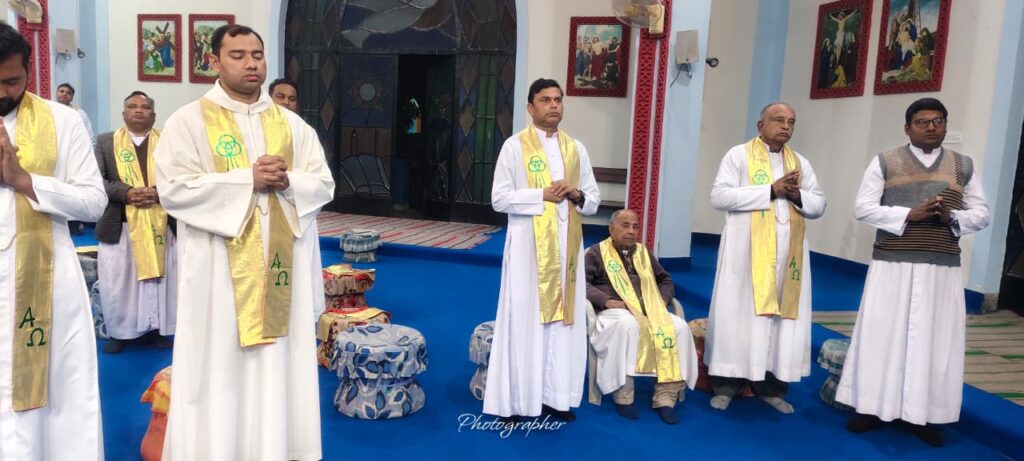
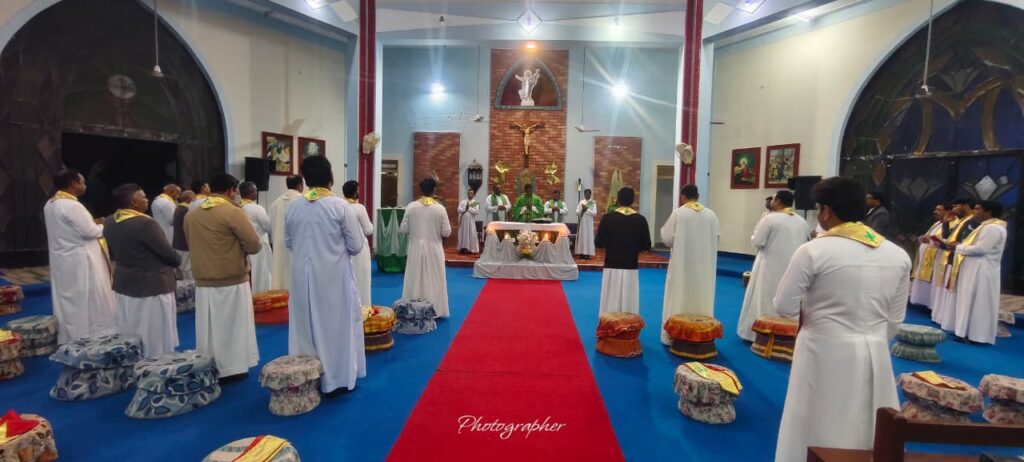
The retreat concluded in a spirit of fraternity and renewed commitment, entrusting the priests to the intercession of the Blessed Virgin Mary and seeking the grace to serve the Church in Pakistan with holiness, compassion, and courageous fidelity.
Share it: