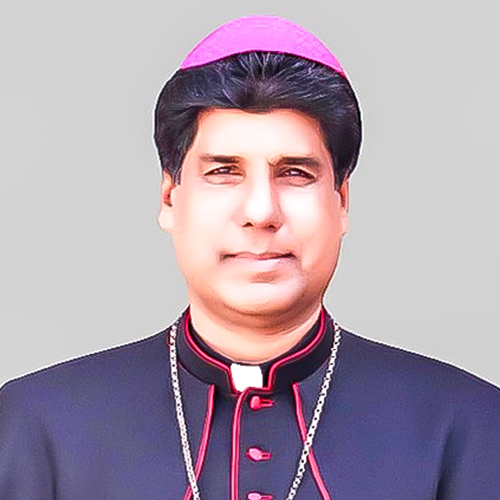
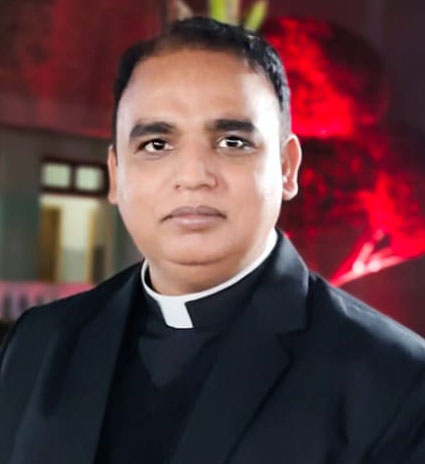

Msgr. Indunil Kodithuwakku says the Church’s mission of dialogue must respond to prejudice, conflict, human suffering and the challenges of new technology.
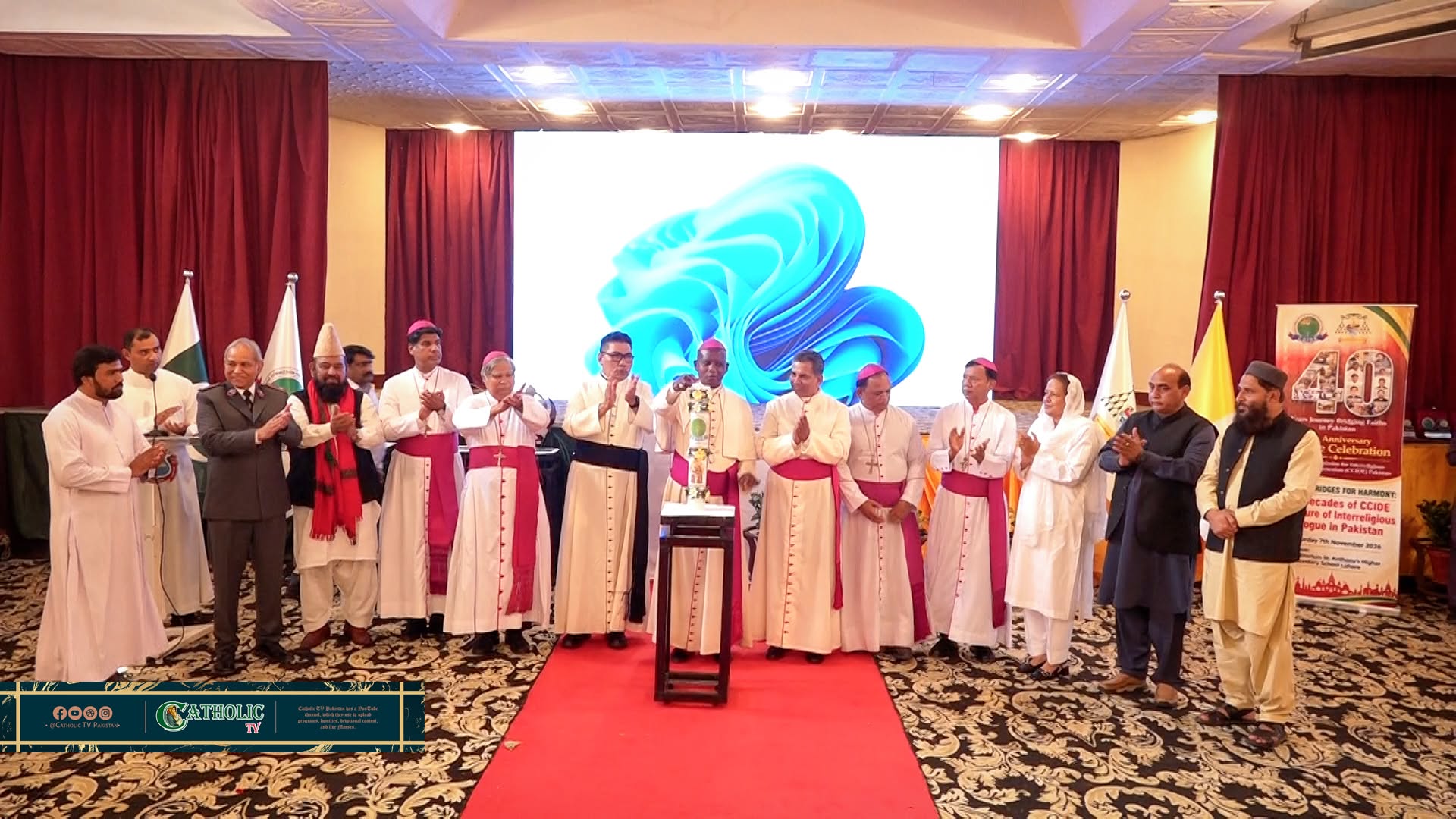
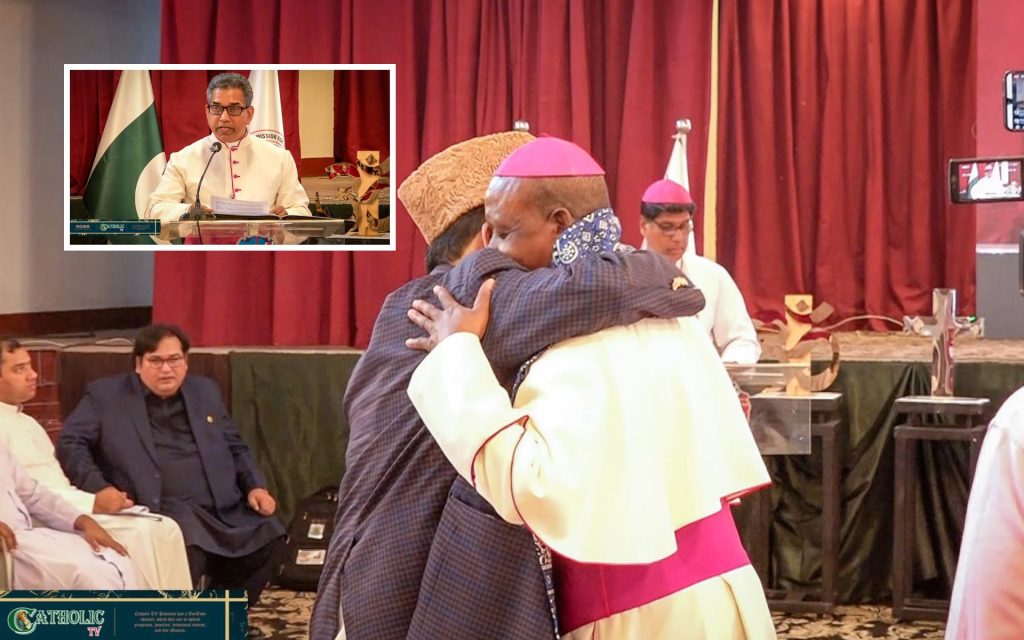
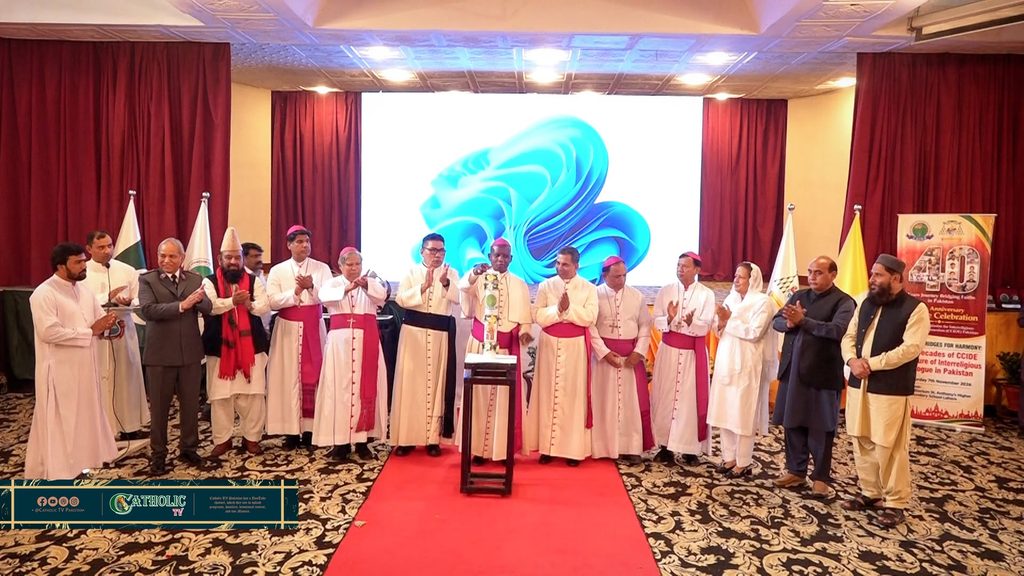
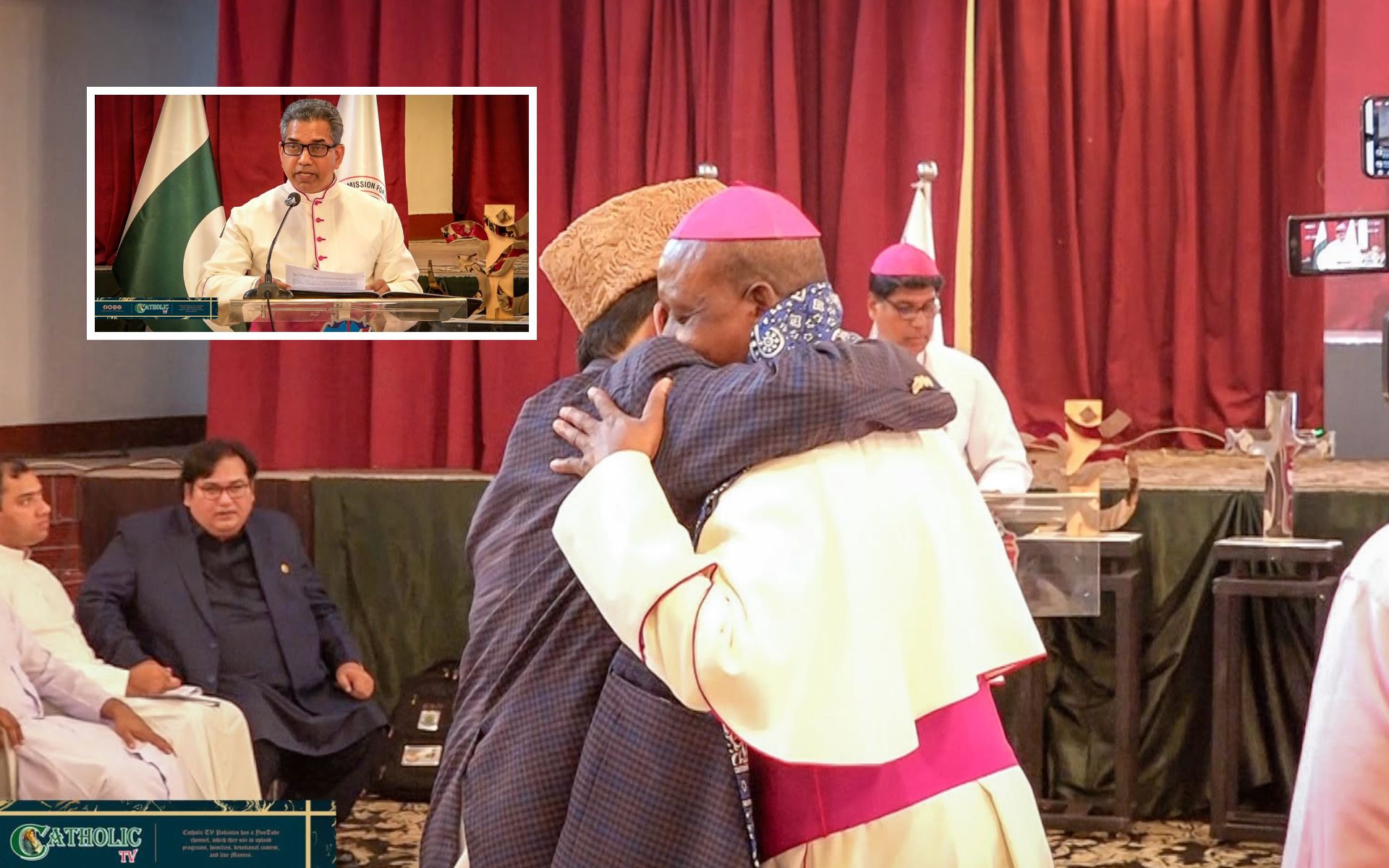
LAHORE: Inter religious dialogue must move beyond words and official documents to become visible in relationships, institutions and service to people, said Msgr. Indunil Kodithuwakku, Secretary of the Dicastery for Inter-Religious Dialogue at the Vatican, while addressing the 40th anniversary celebration of the Catholic Commission for Inter religious Dialogue and Ecumenism (CCIDE) Pakistan in Lahore.
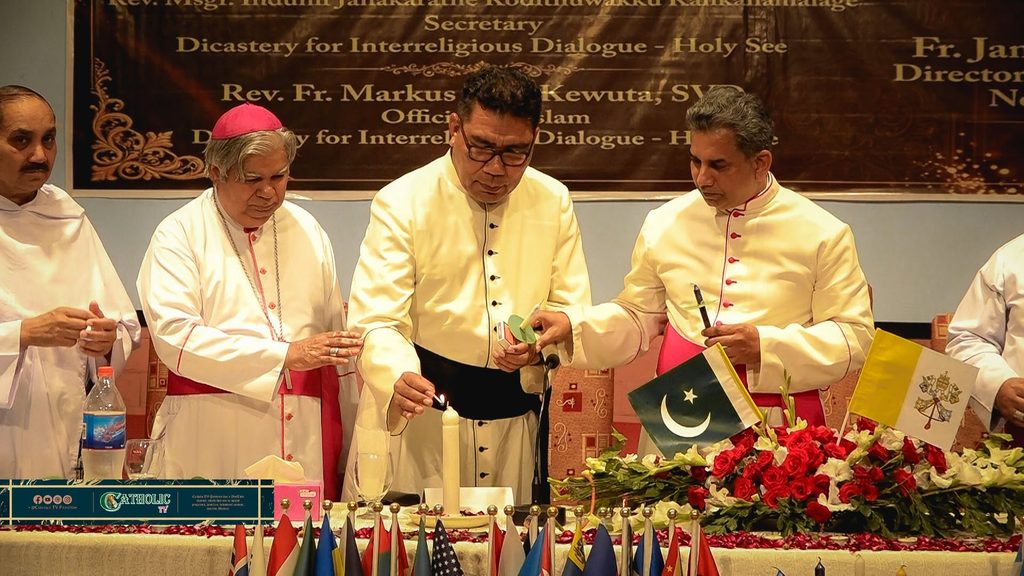
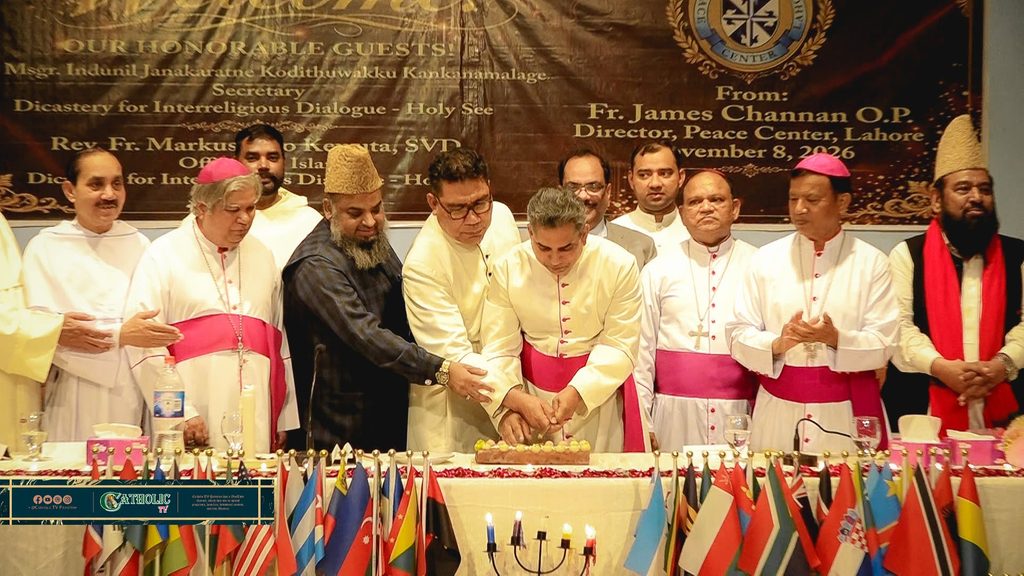
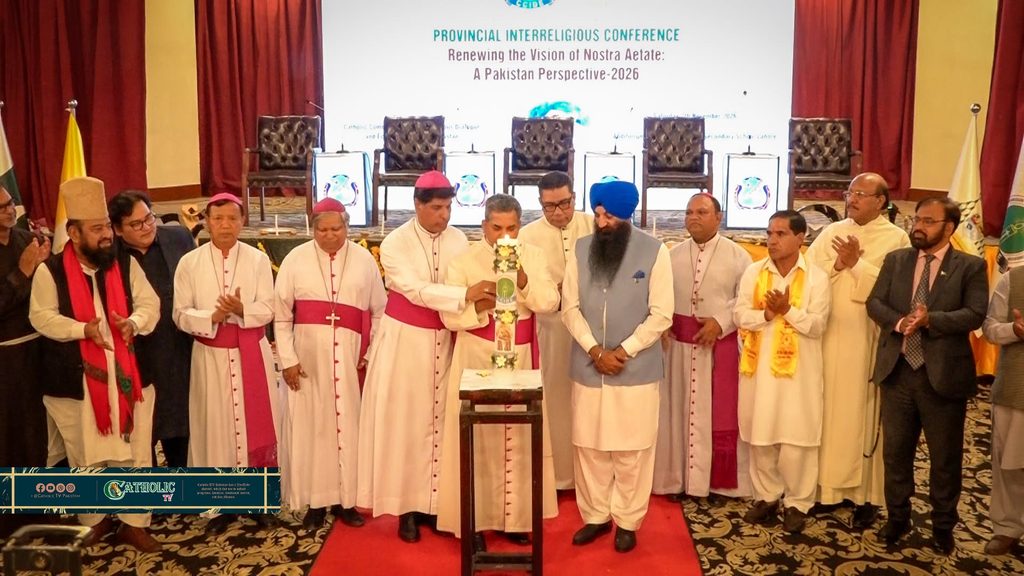
Reflecting on the Second Vatican Council’s declaration Nostra Aetate, promulgated on 28 October 1965, Msgr. Indunil described the Church’s journey of inter religious dialogue as a continuing call to encounter people of other faiths with respect, openness and a willingness to understand.
Drawing on the account of Peter and Cornelius in the Acts of the Apostles, he said that genuine encounters can transform the way people see and relate to one another. Peter’s experience challenged the boundaries he had placed between himself and others. “Sometimes the greatest obstacle to dialogue is not our differences but our perception of them,” Msgr. Indunil observed, pointing to prejudice, stereotypes and incomplete knowledge as barriers to mutual understanding.
He recalled that Nostra Aetate recognises the spiritual and moral values present in other religious traditions, declaring that “the Catholic Church rejects nothing that is true and holy in these religions.” This openness, he explained, does not mean that all religions are the same or that their differences should be ignored. Rather, it calls Christians to remain faithful to their own beliefs while recognising the dignity of others and working together for the good of humanity.
Tracing important moments in the Church’s commitment to dialogue, Msgr. Indunil referred to St. John Paul II’s historic address to young Muslims in Casablanca in 1985, the World Day of Prayer for Peace in Assisi in 1986, and the meeting of St. Francis of Assisi with Sultan al-Malik al-Kamil in 1219. He also recalled the 2019 Document on Human Fraternity, signed by Pope Francis and the Grand Imam of Al-Azhar, Ahmed Al-Tayeb, in Abu Dhabi.
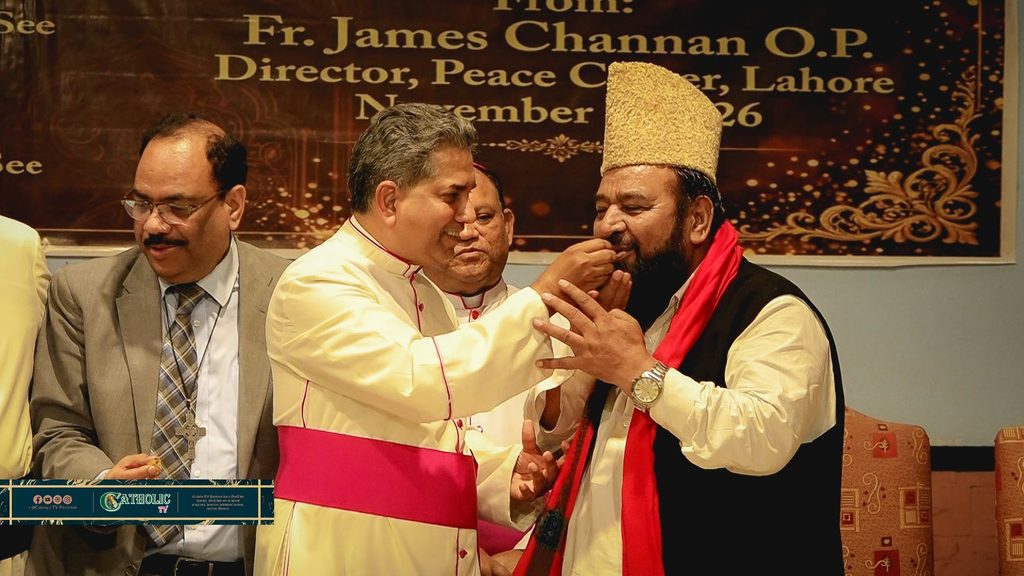
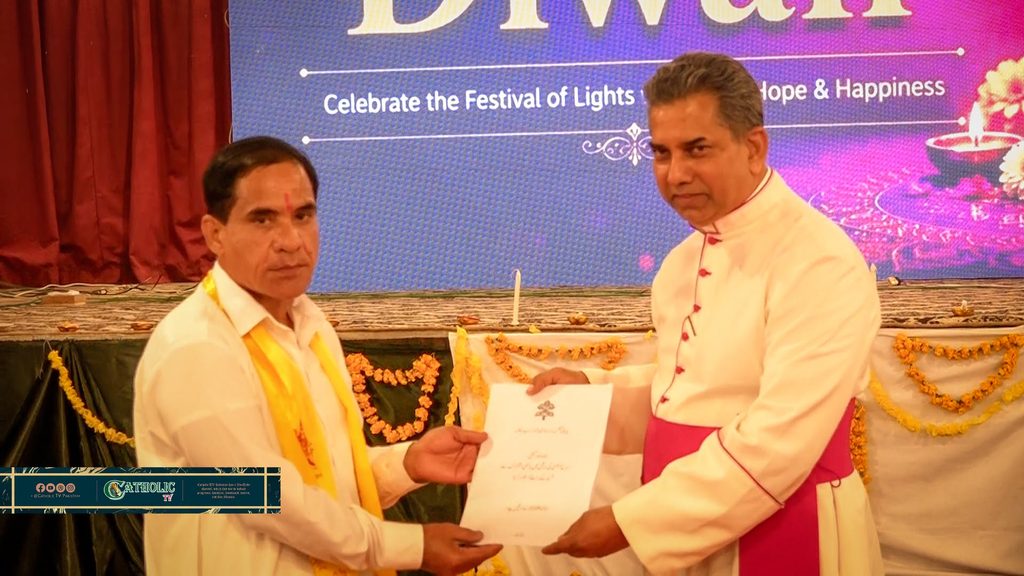
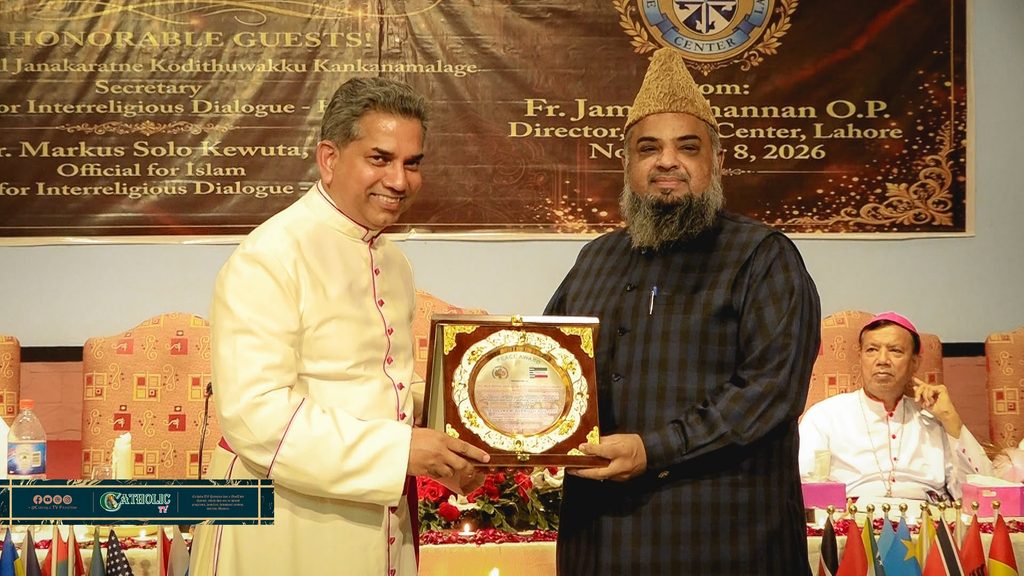
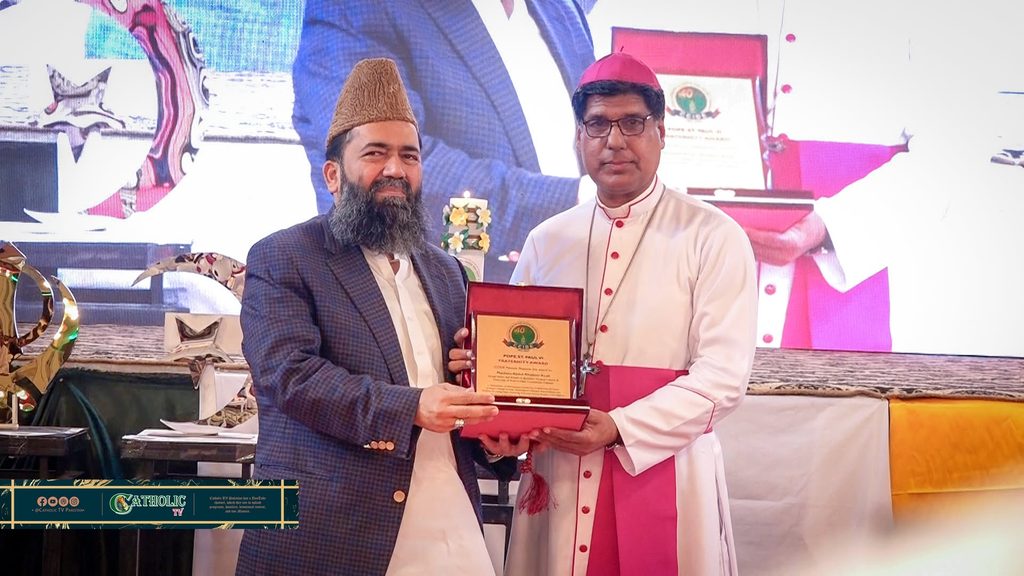
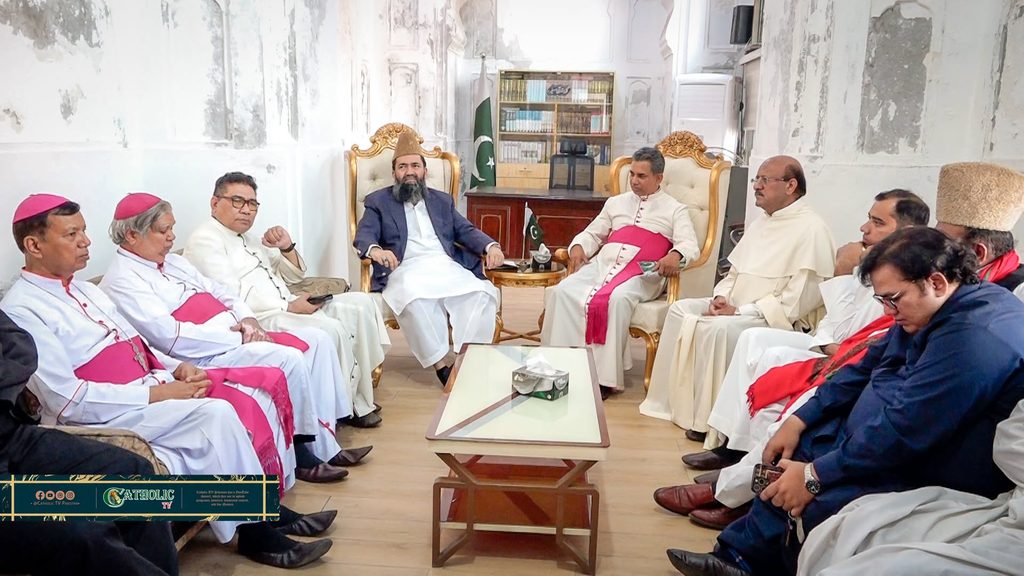
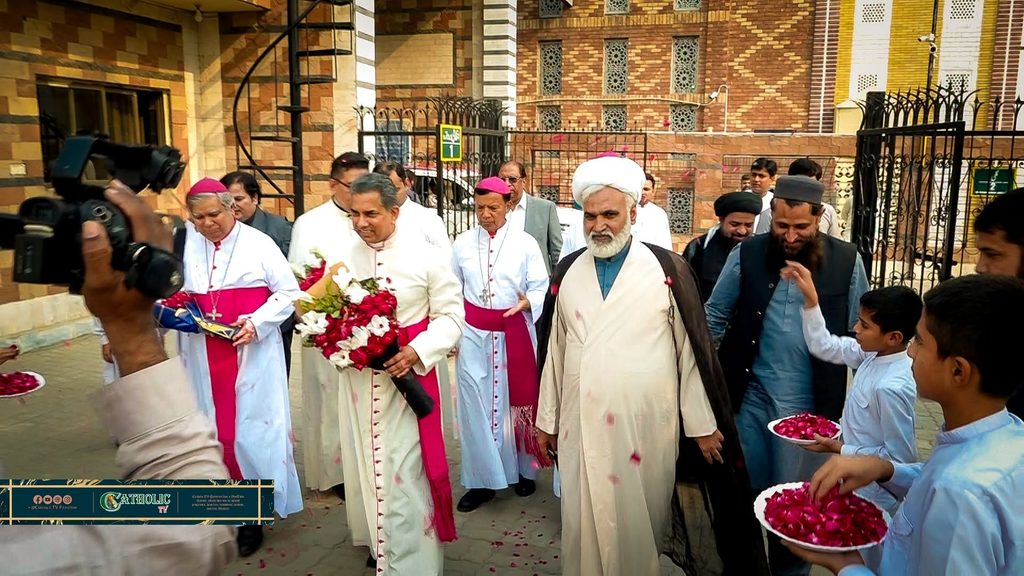
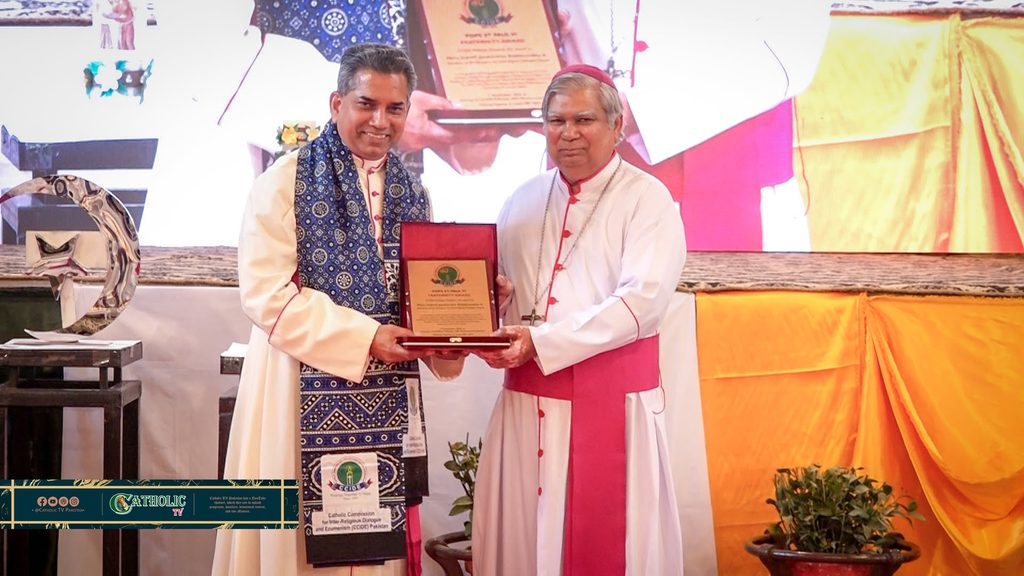
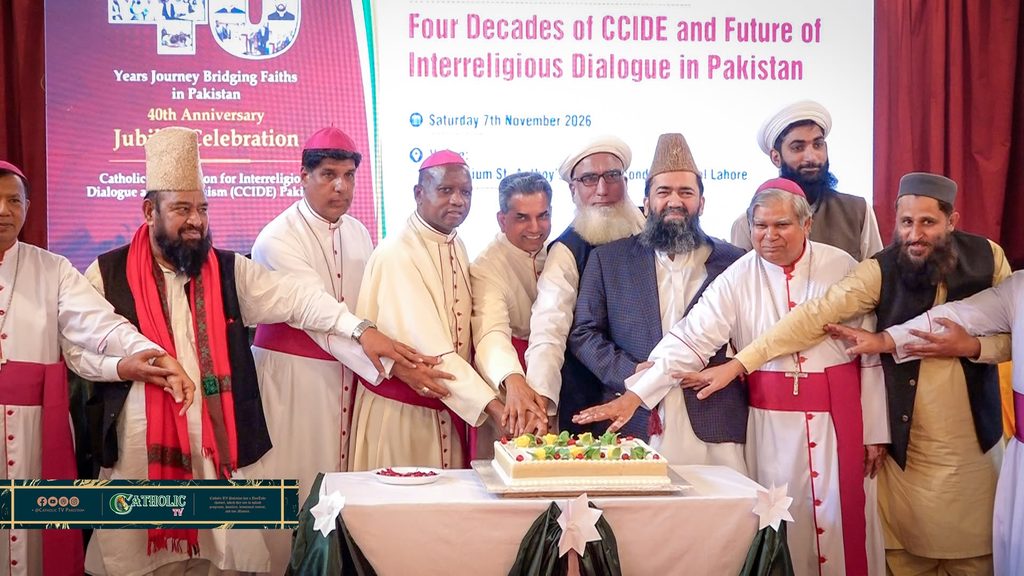
These experiences, he said, show that people of different faiths can work together in education, humanitarian assistance, environmental protection, justice and peace. Dialogue is not an end in itself; its fruits must be seen in service to humanity.
Addressing the challenges facing inter religious relations today, Msgr. Indunil identified religious extremism, political manipulation, historical wounds, mistrust, persecution and threats to religious freedom. He also drew attention to the impact of artificial intelligence and emerging technologies, noting that technological progress must protect human dignity and serve the common good.
“Dialogue must become visible in our relationships, our institutions, our educational programs and our response to human suffering,” he said. Cooperation among religious leaders, scientists, educators, policymakers and civil society is increasingly necessary to ensure that technology serves humanity rather than creating further divisions.
Reflecting on the 40-year journey of CCIDE Pakistan, Msgr. Indunil described its commemorative publication, From Dialogue to Fraternity: A Journey of CCIDE Pakistan, as a testimony to four decades of faith, friendship and service. He said the real value of the Church’s teaching is seen in the lives it inspires and the relationships it helps to build.
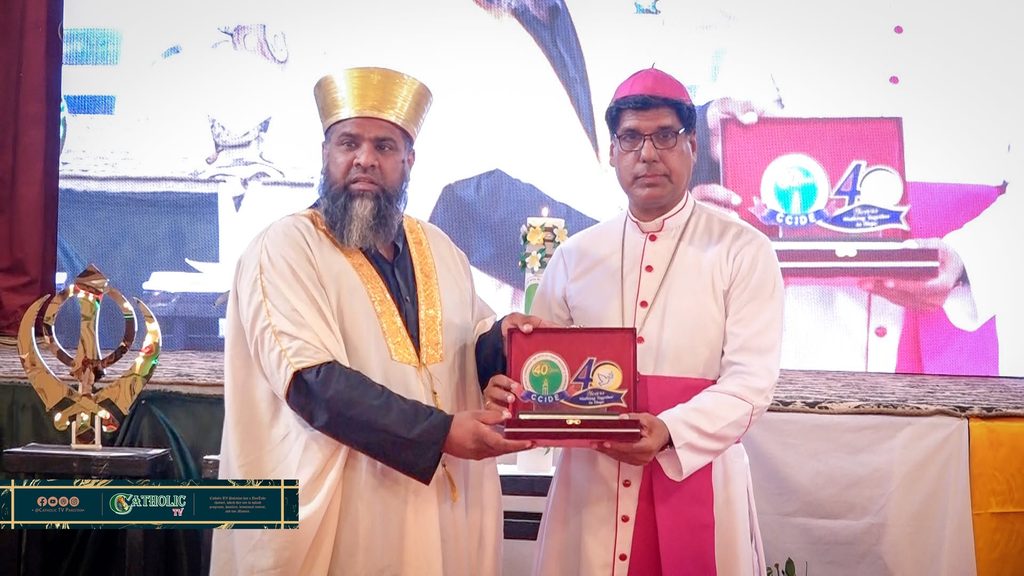
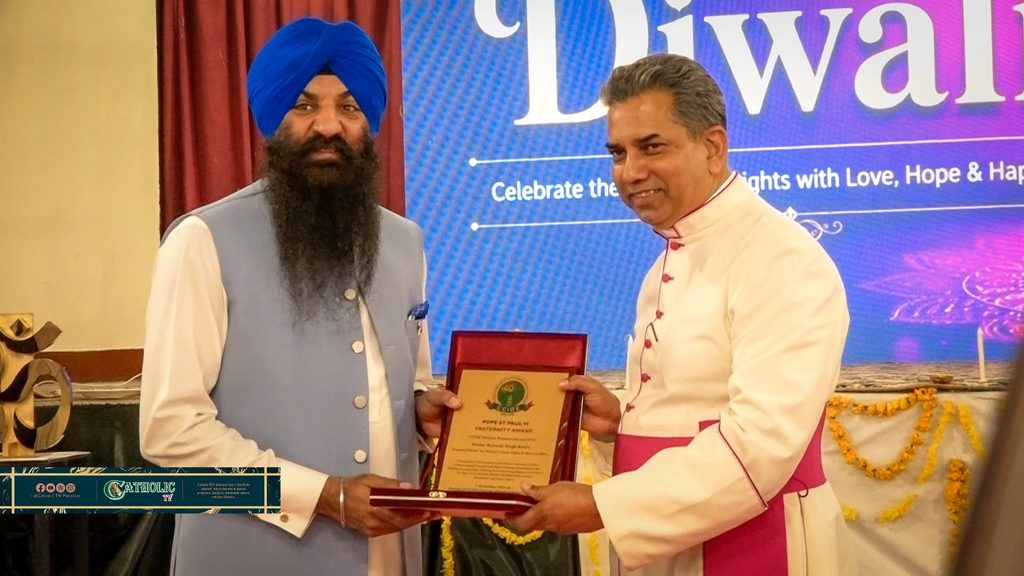
In his concluding remarks, he urged the Church and its dialogue partners not to lose hope despite the conflicts and tensions affecting the world. “We are people of hope,” he said, explaining that Christian hope is rooted in God and calls believers to take part in God’s mission of reconciliation, peace and fraternity.
“Mission is ultimately not ours; it is God’s mission, Missio Dei,” he said. He encouraged those engaged in inter religious dialogue to continue sowing seeds of understanding, trust and mutual confidence, even when the results are not immediately visible.
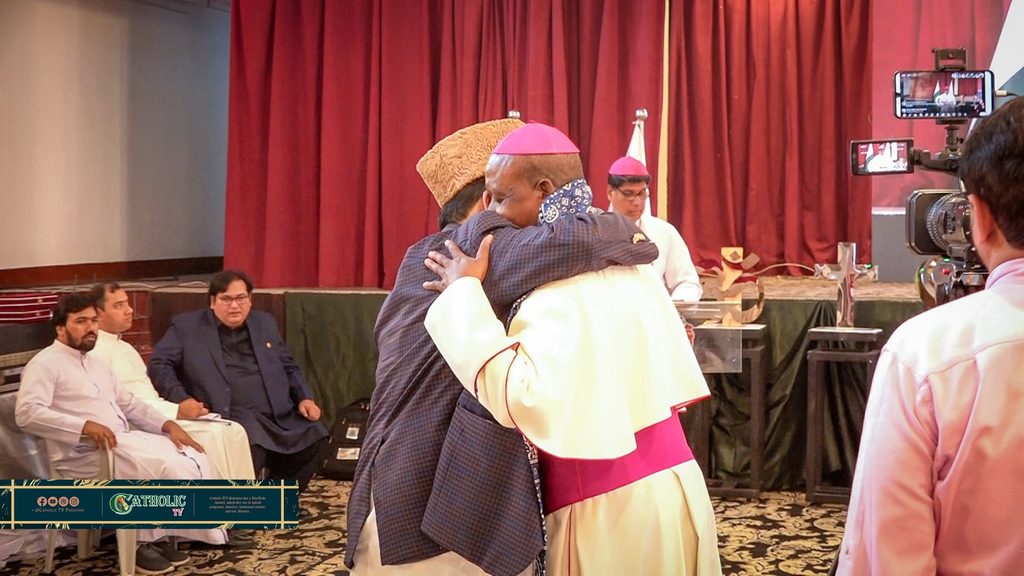
As CCIDE Pakistan marked its 40th anniversary, his message offered a clear direction for the years ahead: dialogue must be lived through concrete relationships, mutual respect and a shared commitment to the dignity of every human person.
Photo Credit : Catholic TV Pakistan
Share it: