
At the 40th anniversary of CCIDE Pakistan, Church leaders and representatives of different faiths reflected on the legacy of Nostra Aetate and the need to make interreligious dialogue a lived commitment.
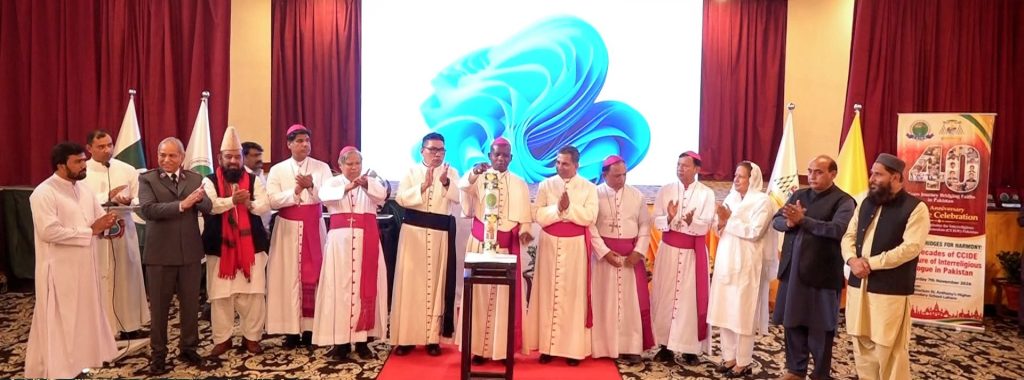
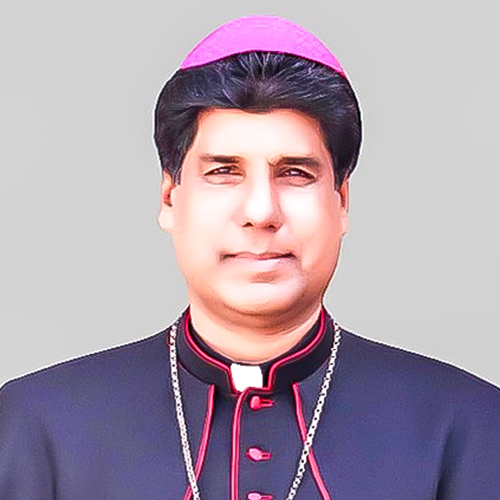
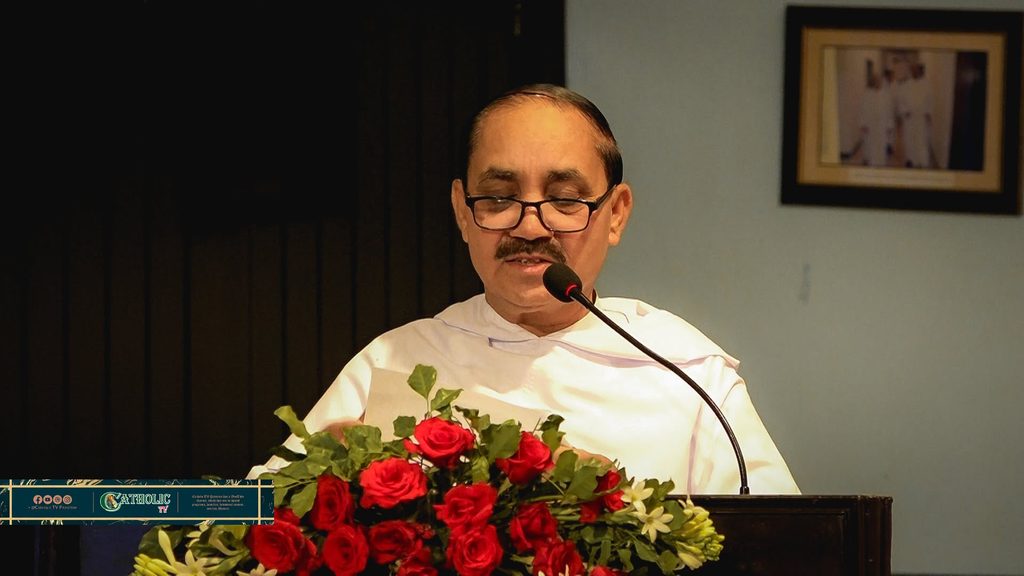
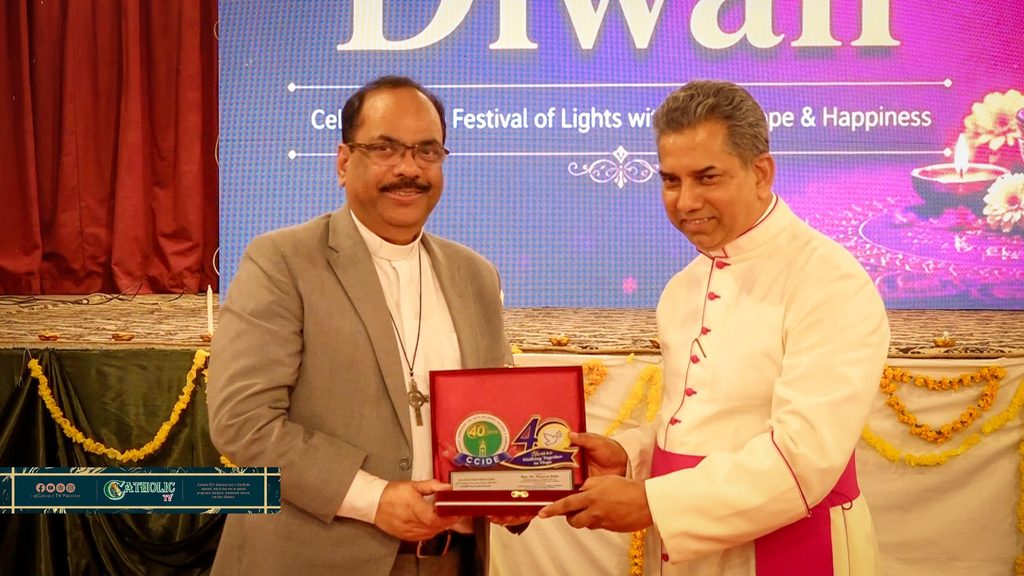
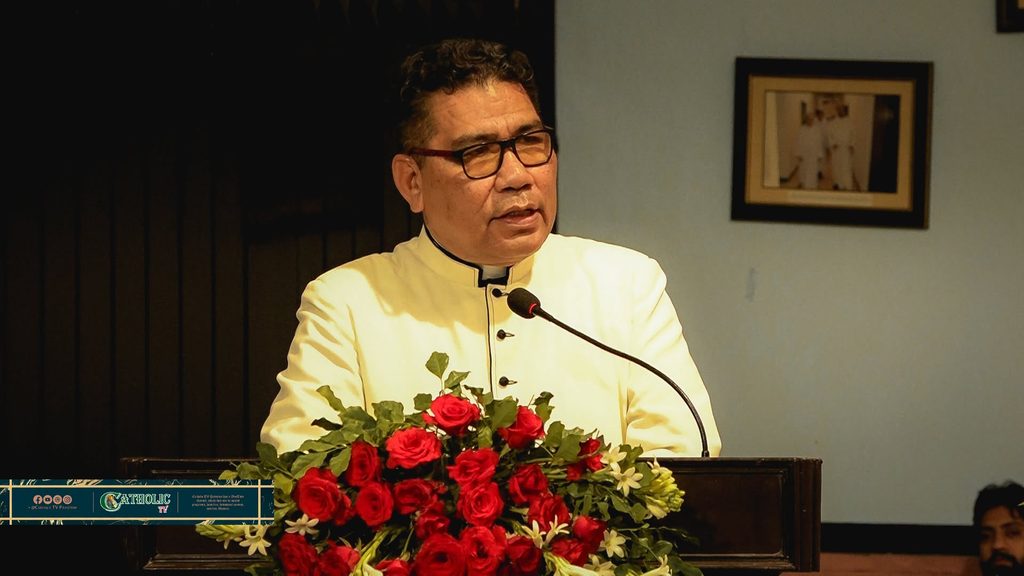
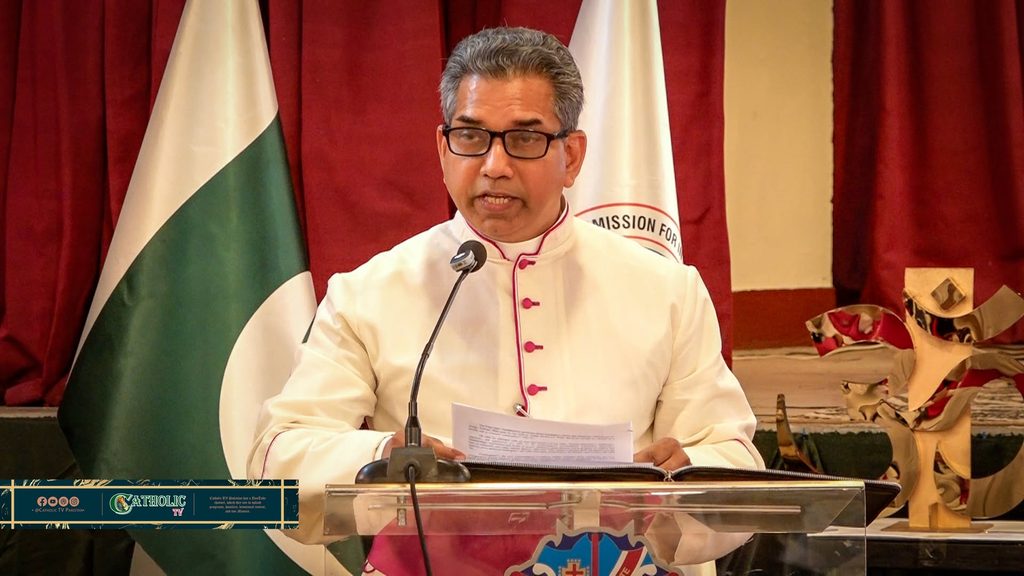
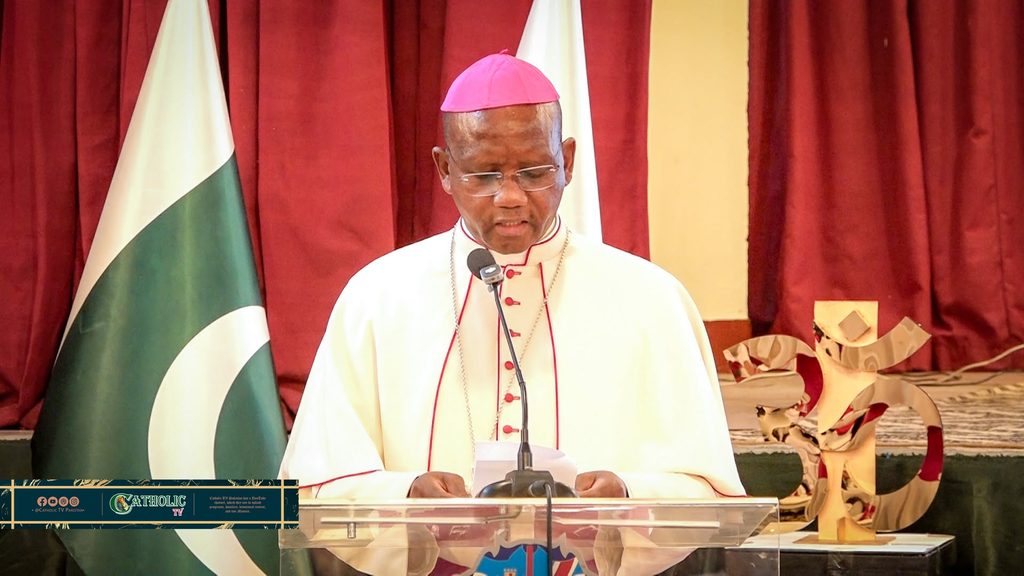
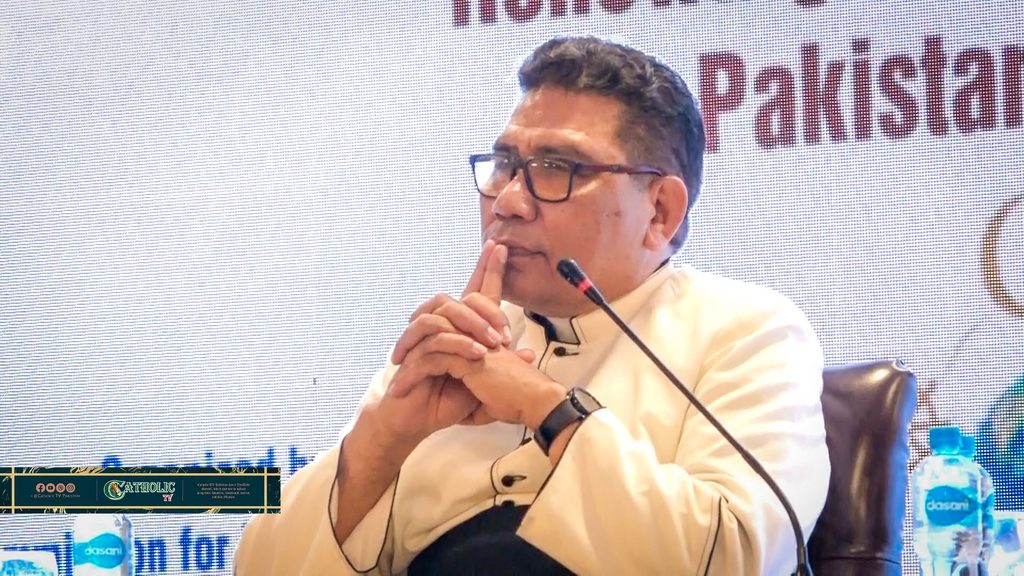
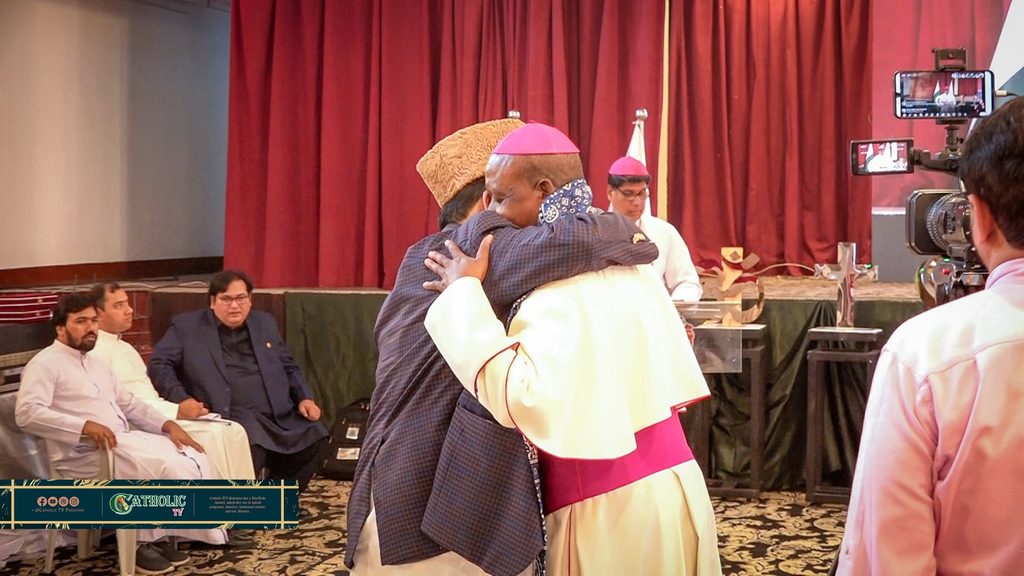
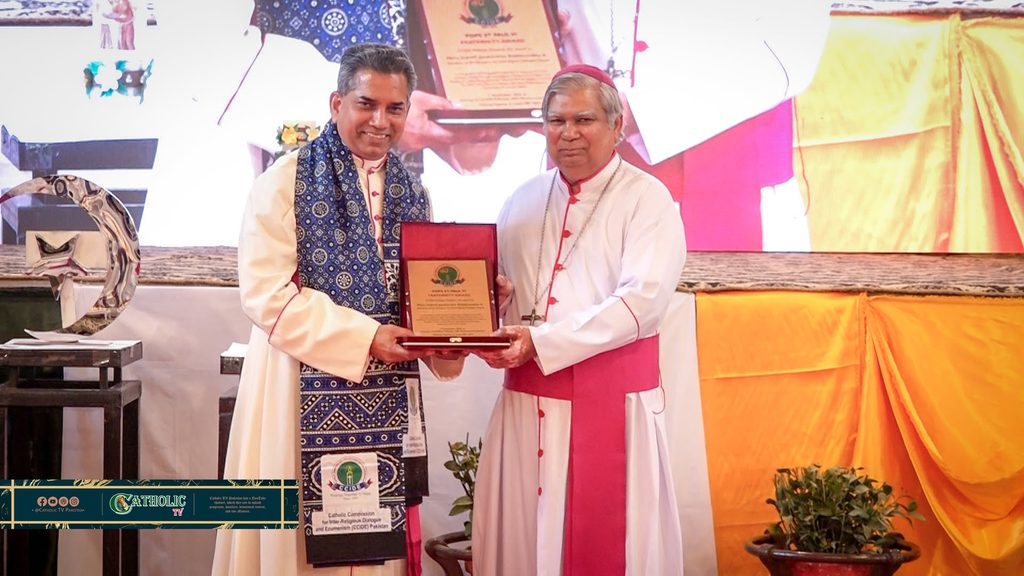
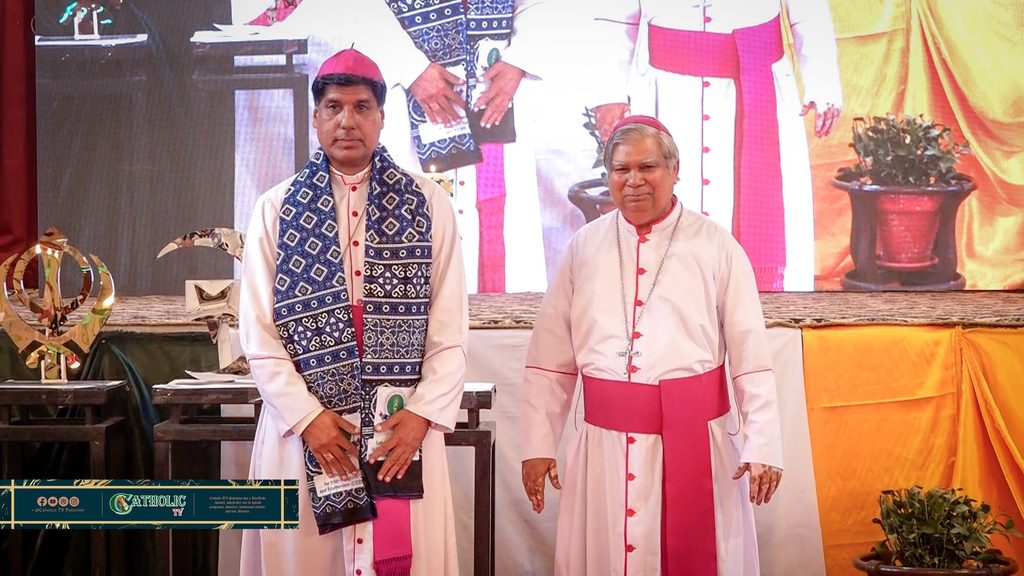
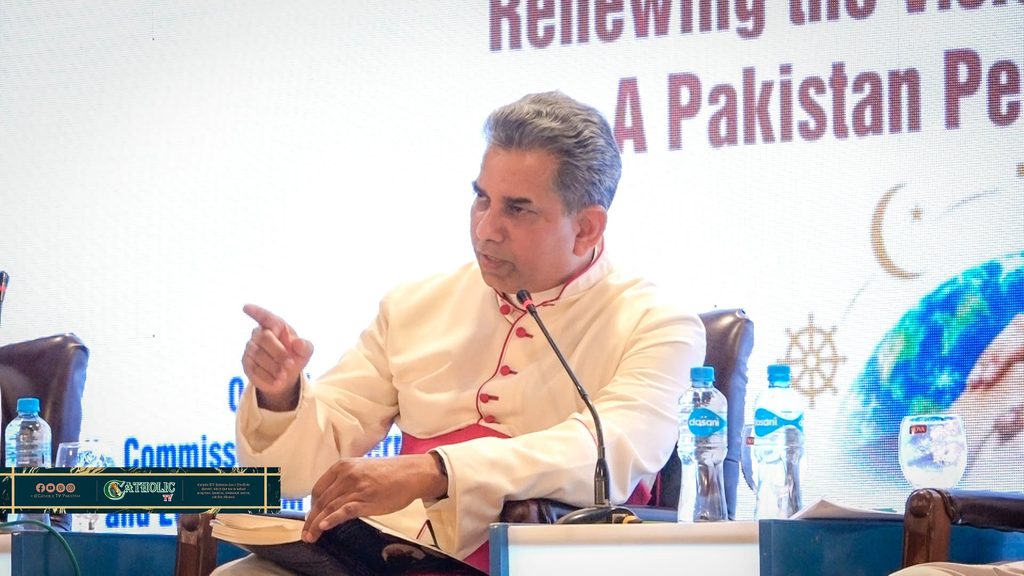
LAHORE, Pakistan, 9 November 2026 – Genuine dialogue does not require people to abandon their religious convictions. It calls them to remain firm in their faith while being willing to understand others. This was the message of Bishop Yousaf Sohan, Chairman of the Catholic Commission for Interreligious Dialogue and Ecumenism (CCIDE) Pakistan, as the Commission marked its 40th anniversary in Lahore.
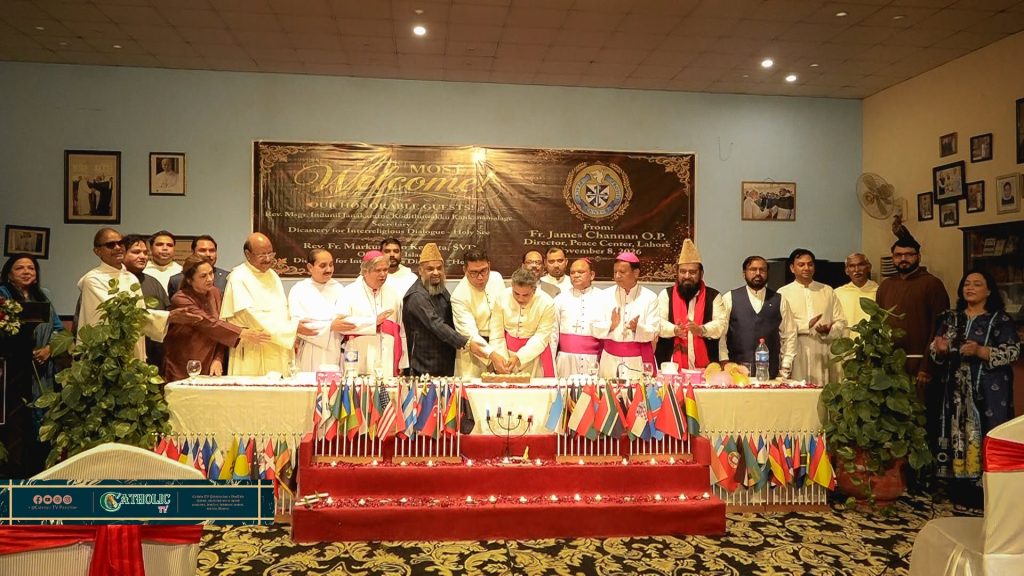
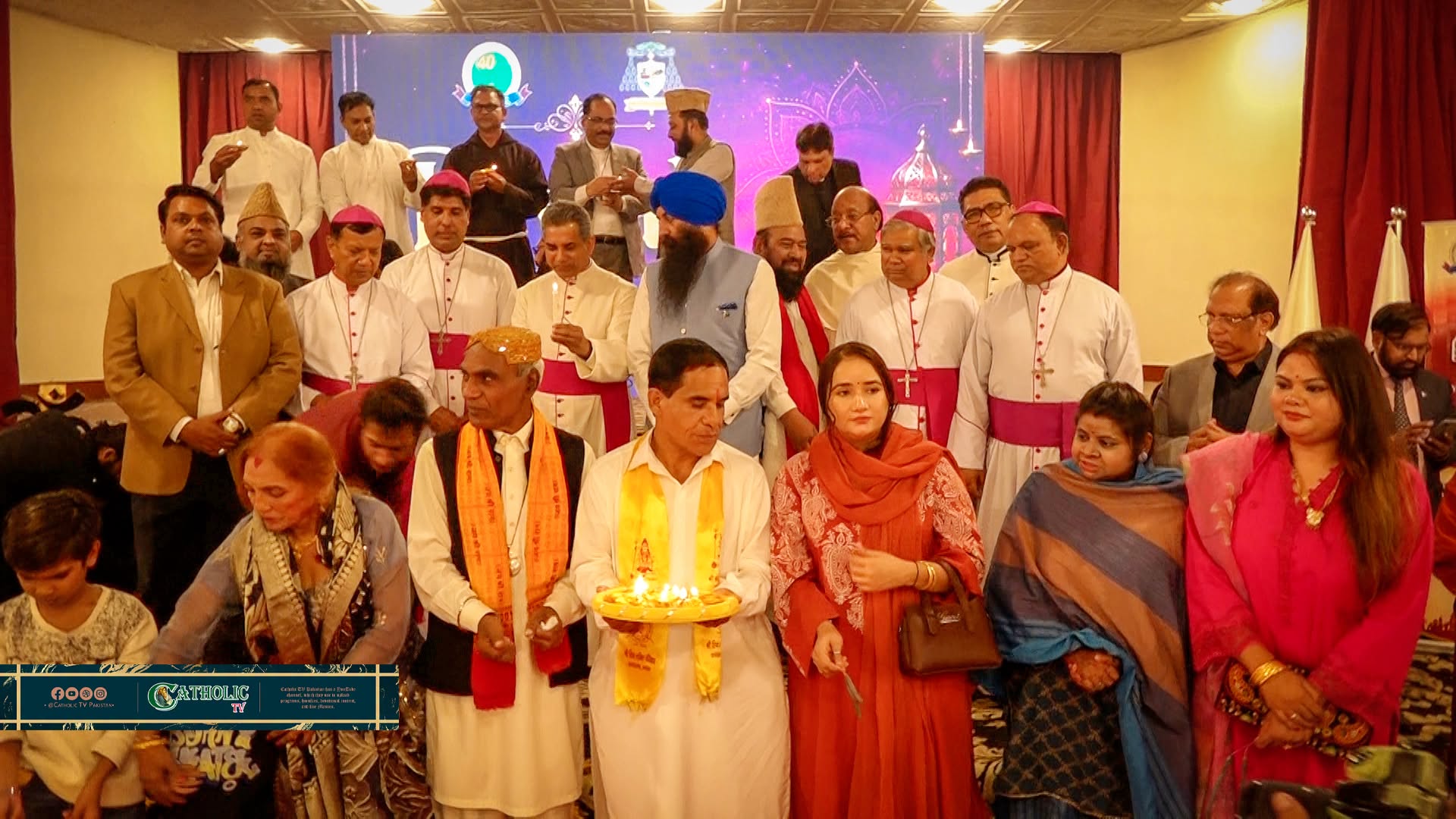
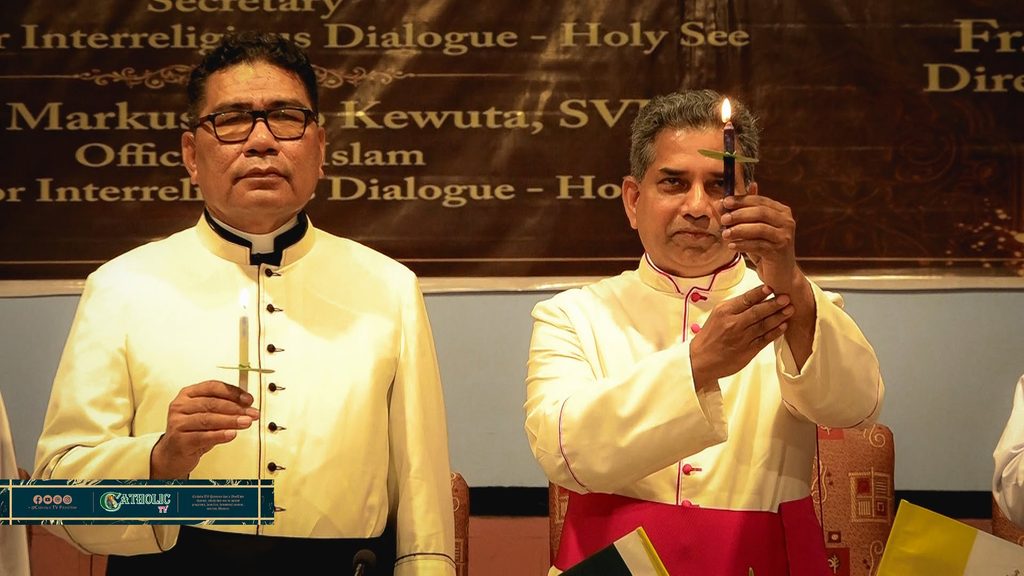
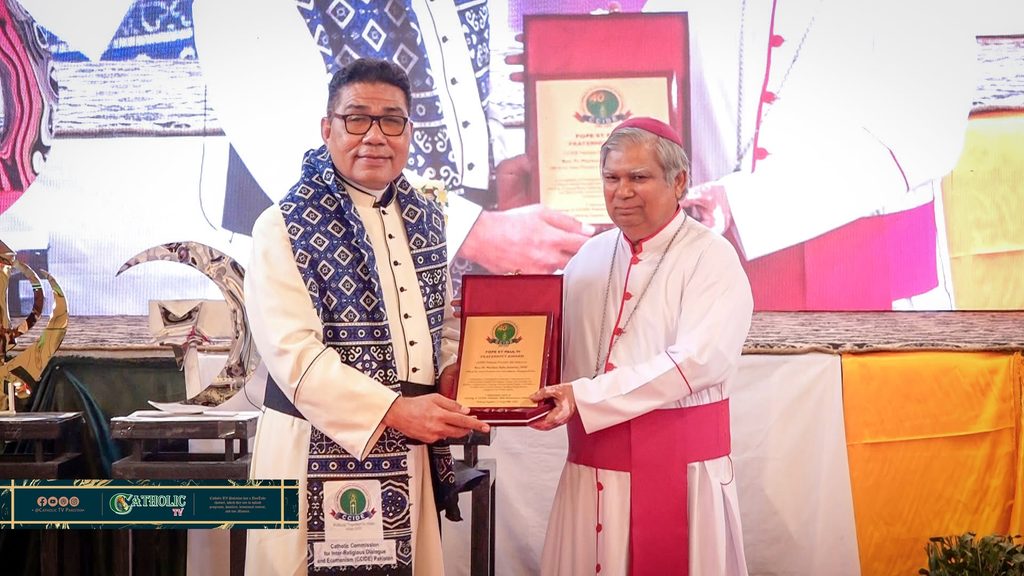
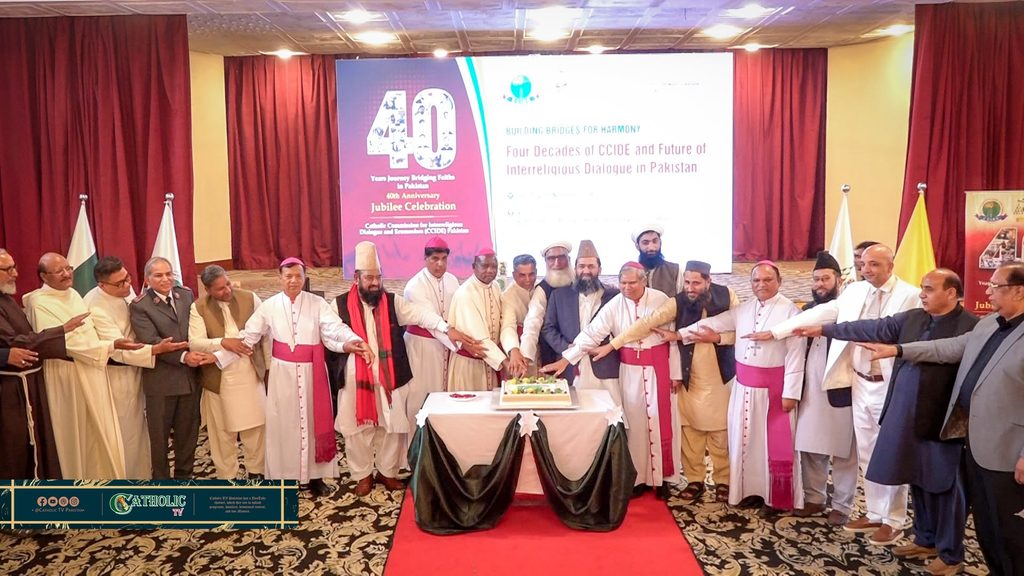
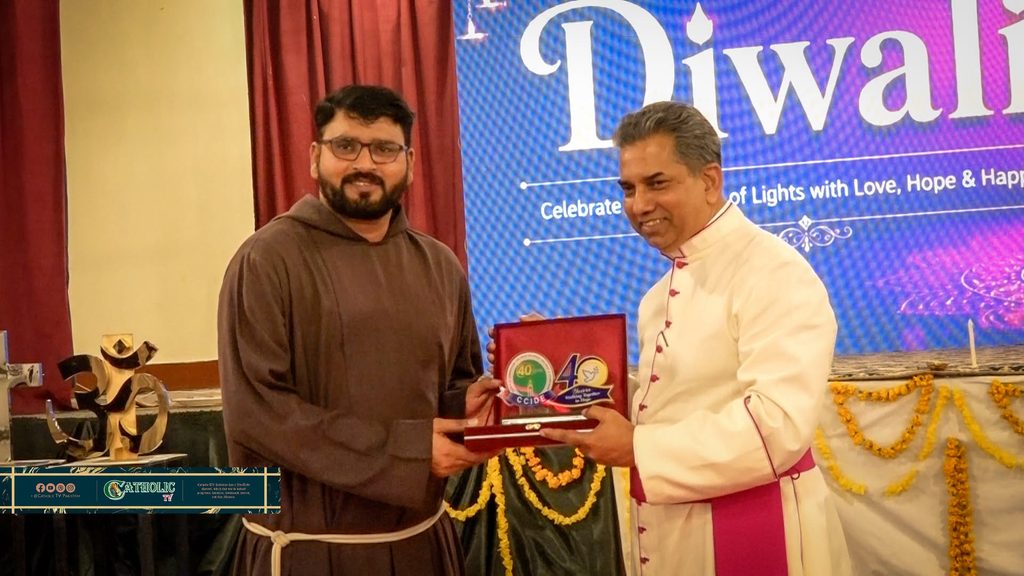
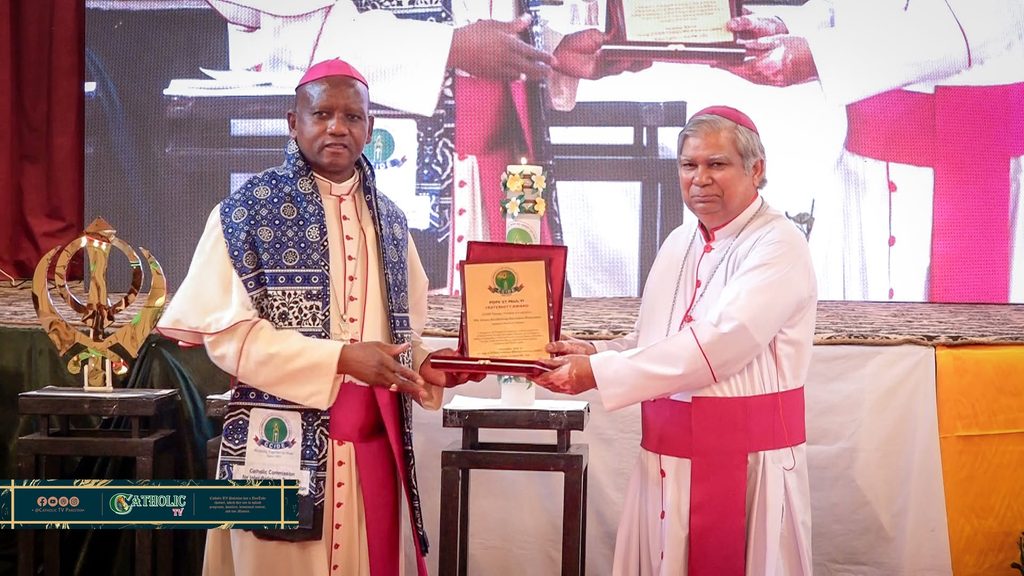
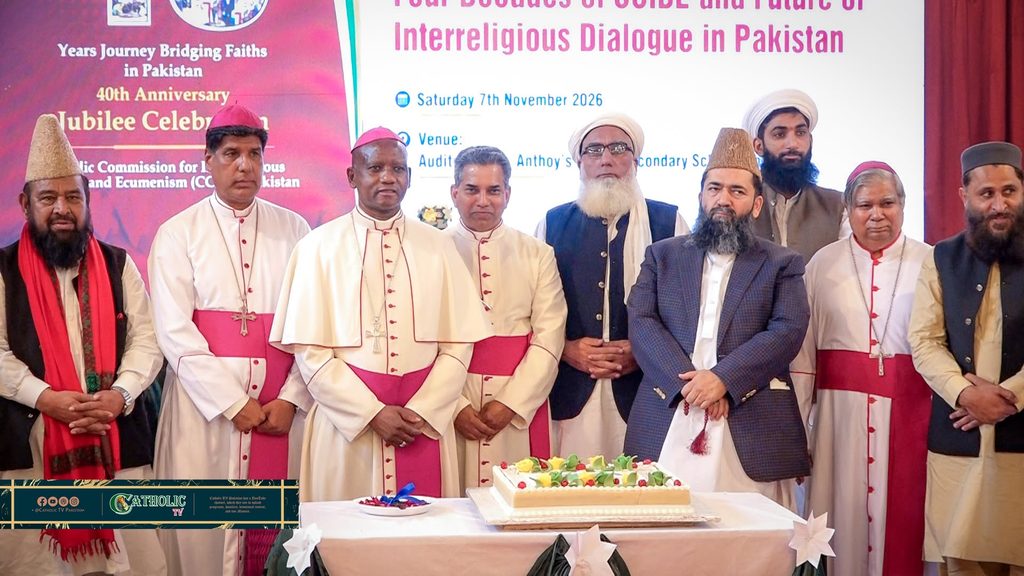
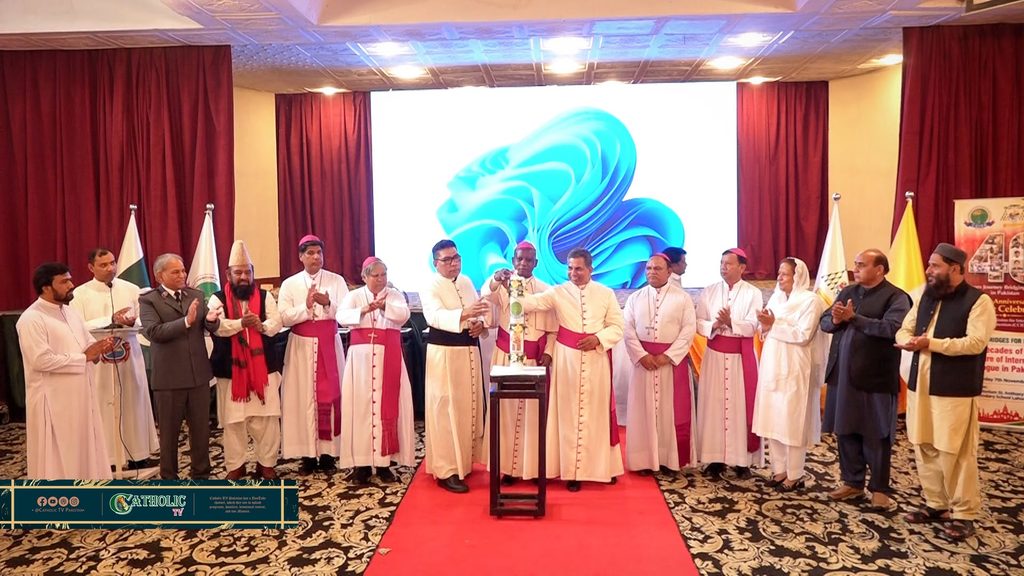
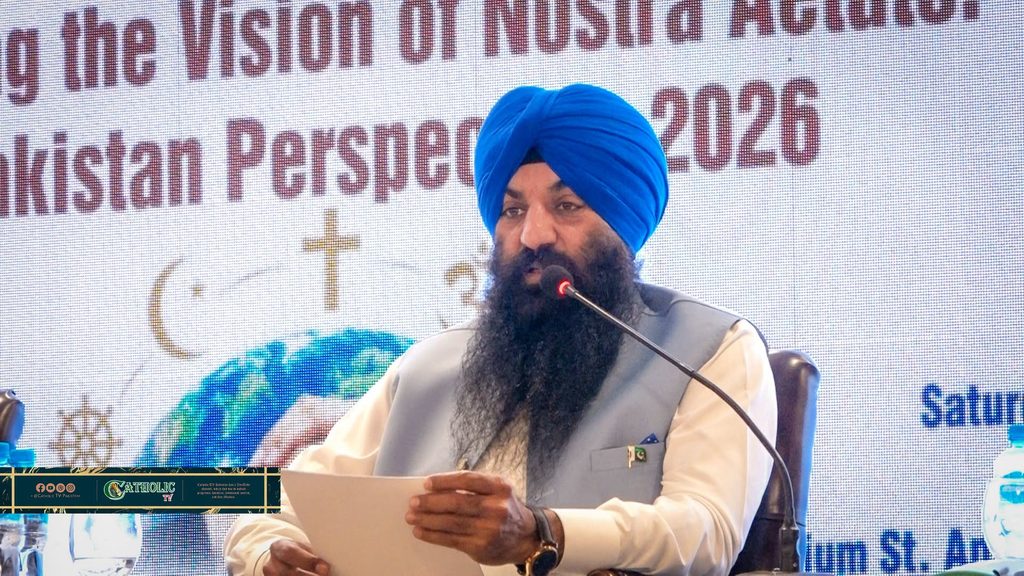
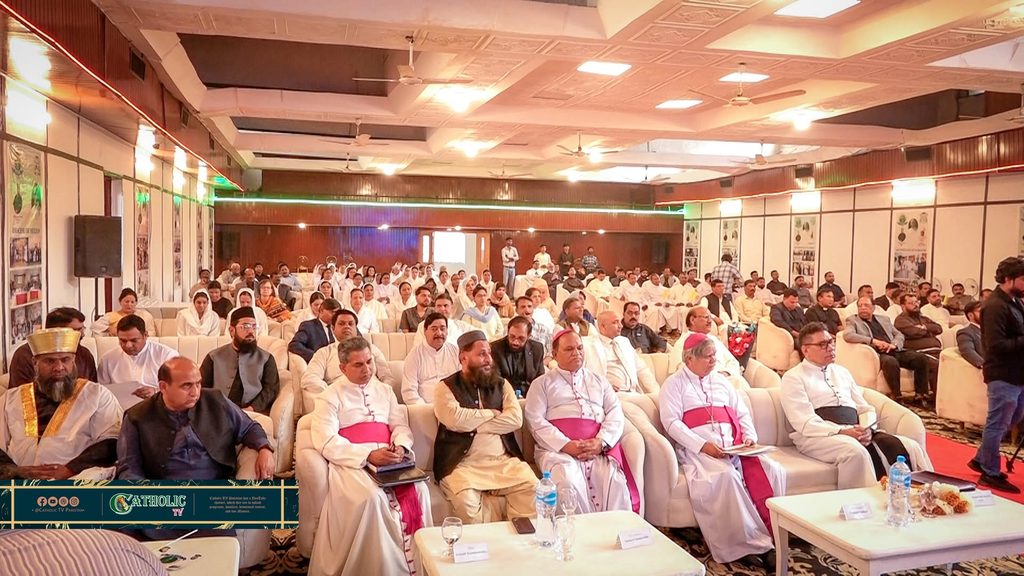
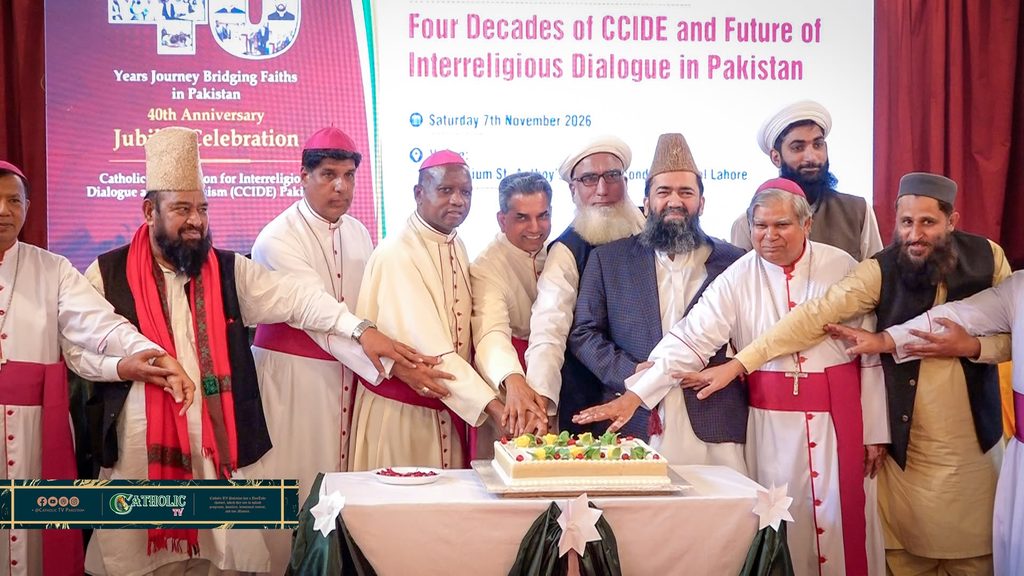
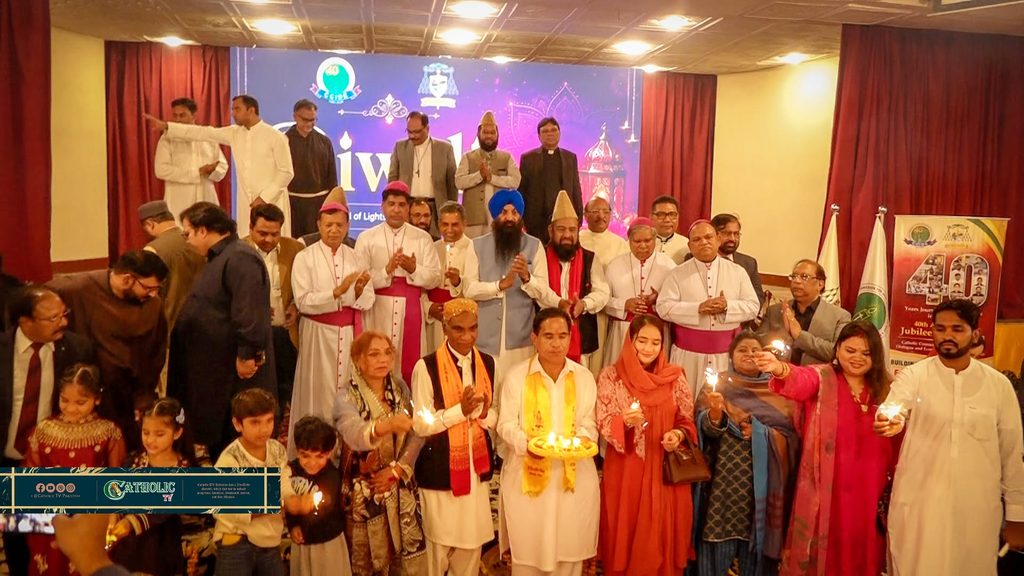
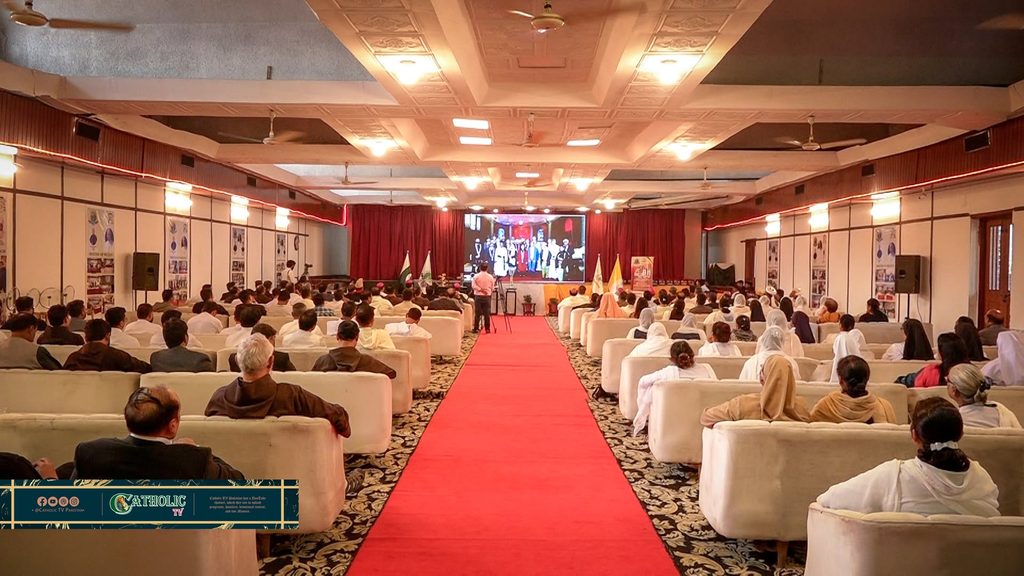
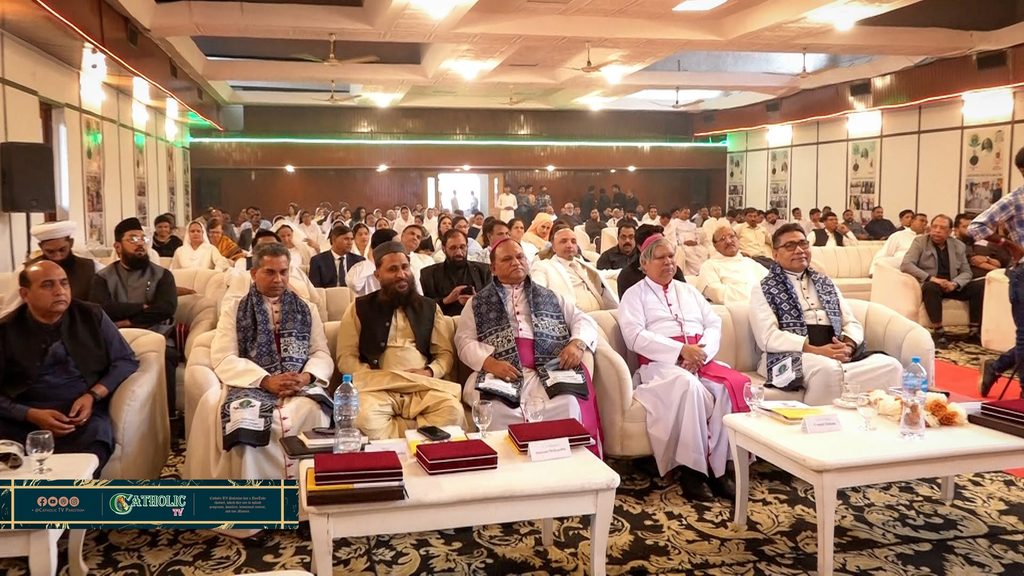
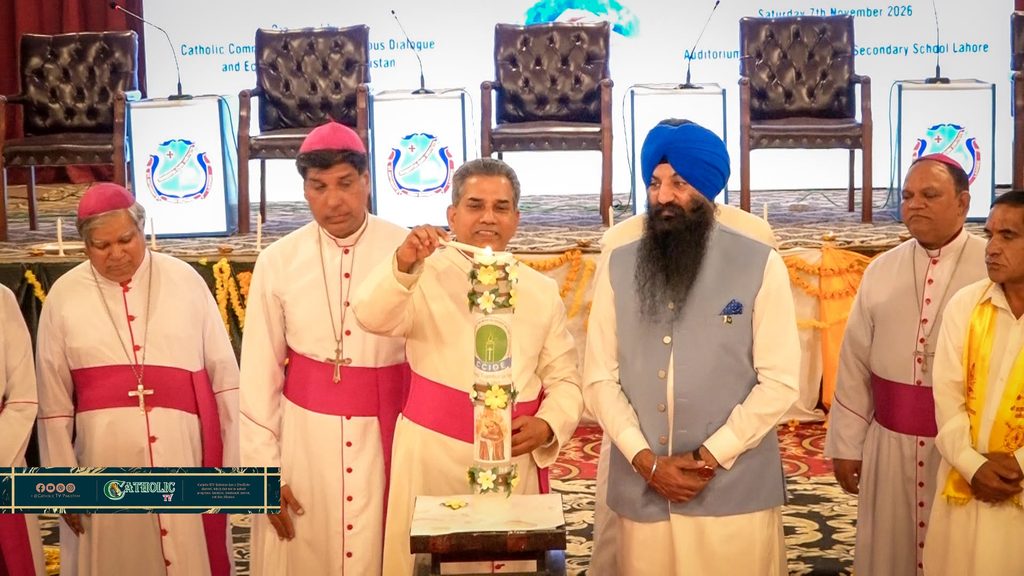
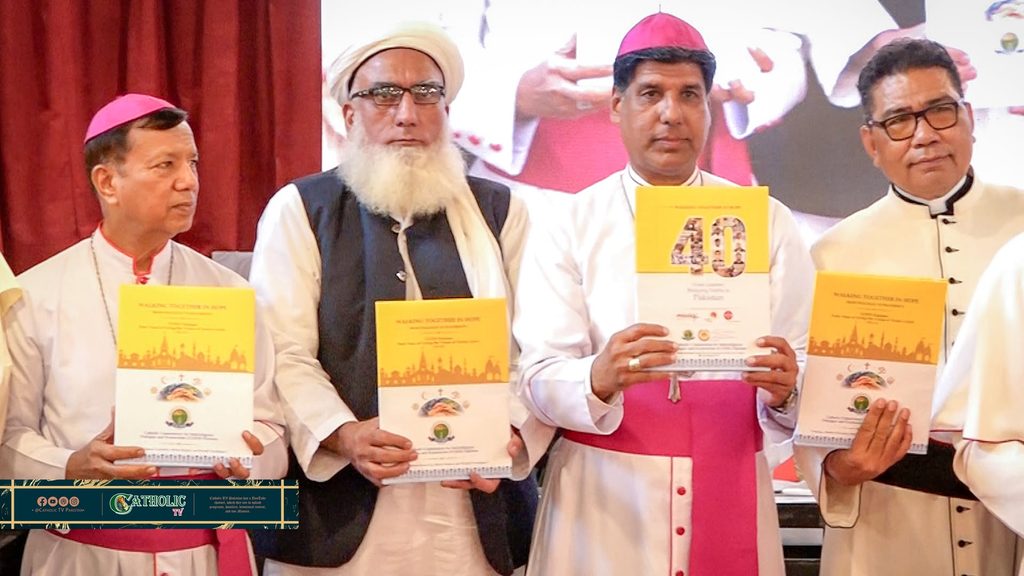
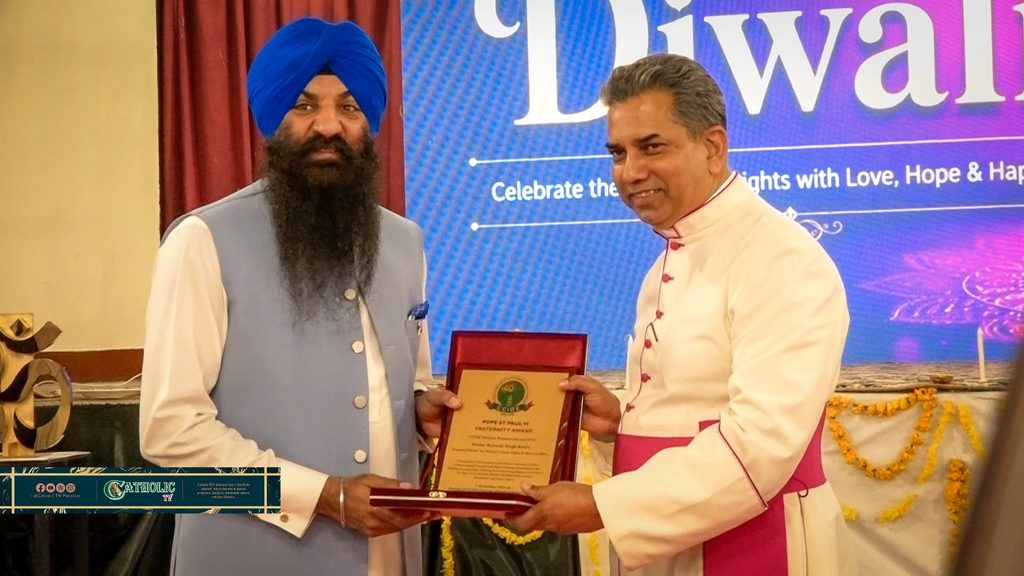
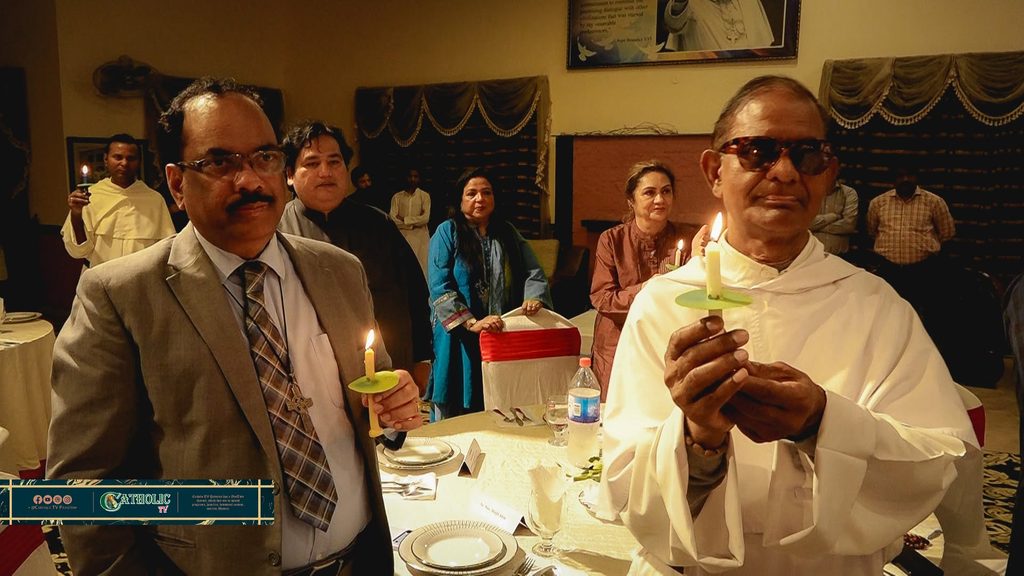
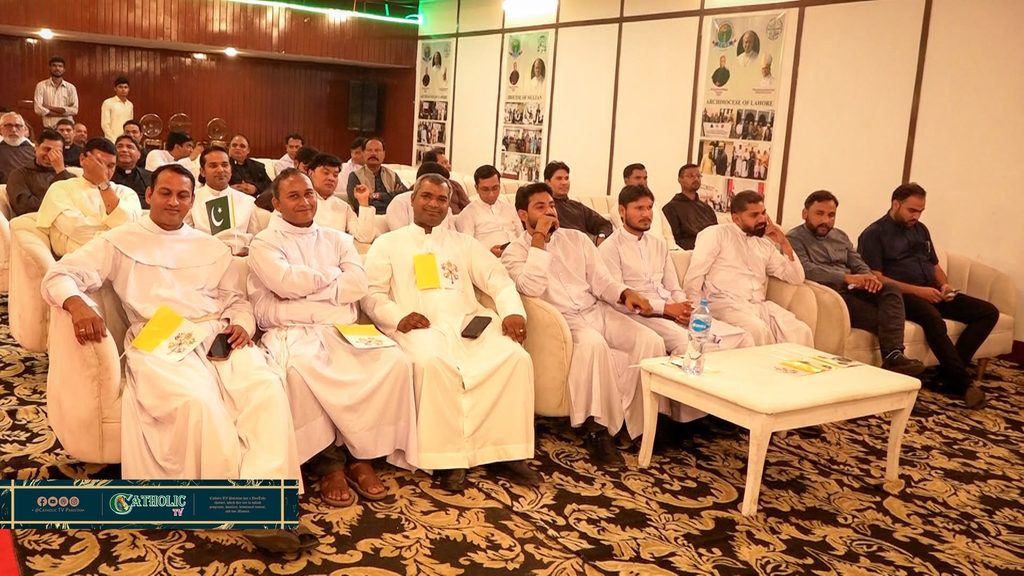
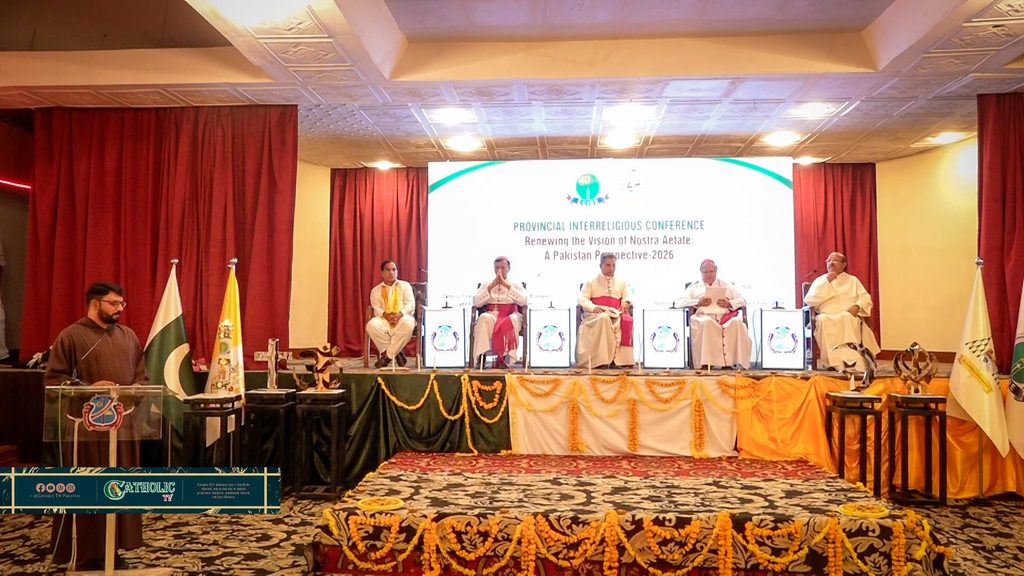
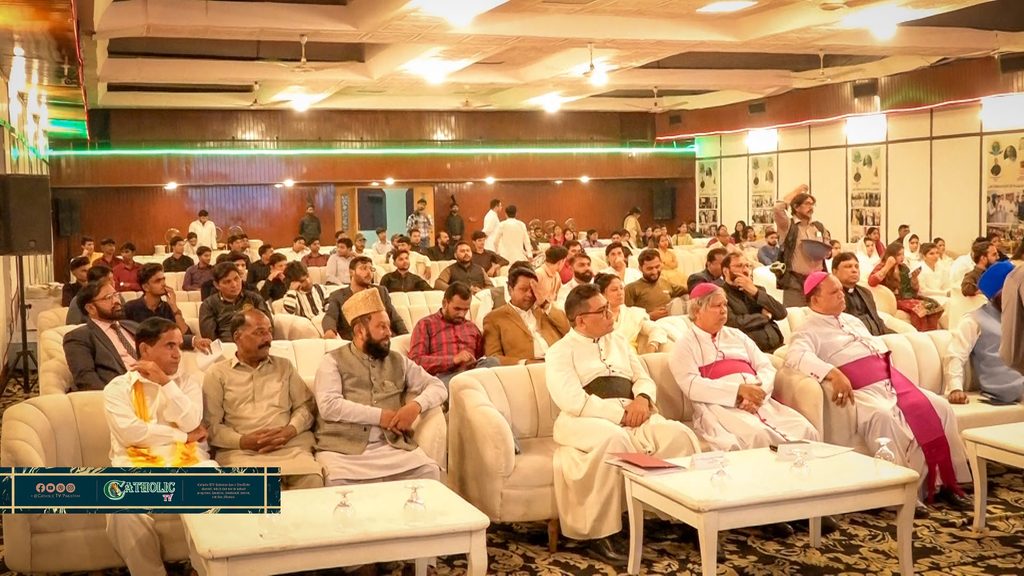
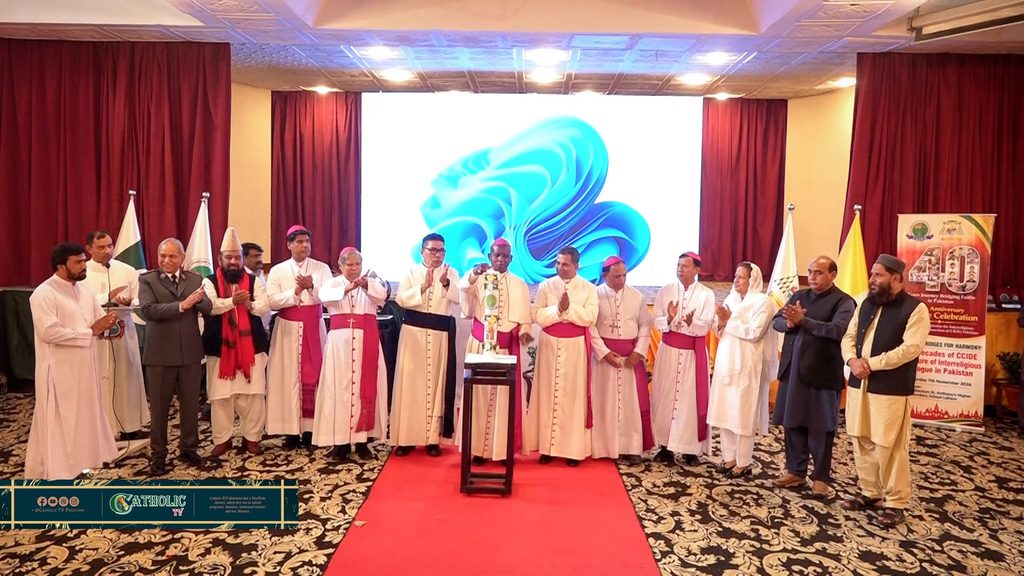
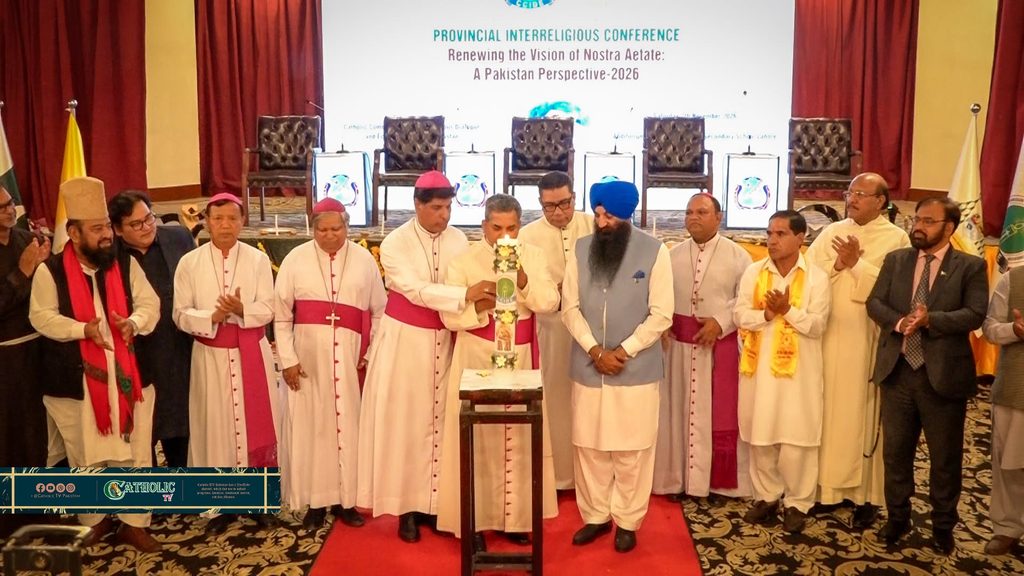
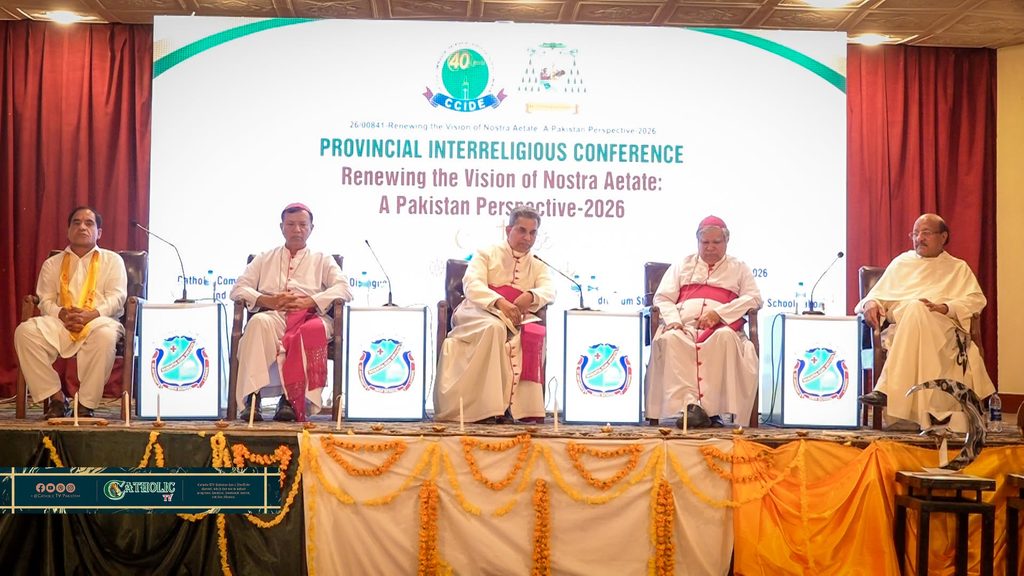
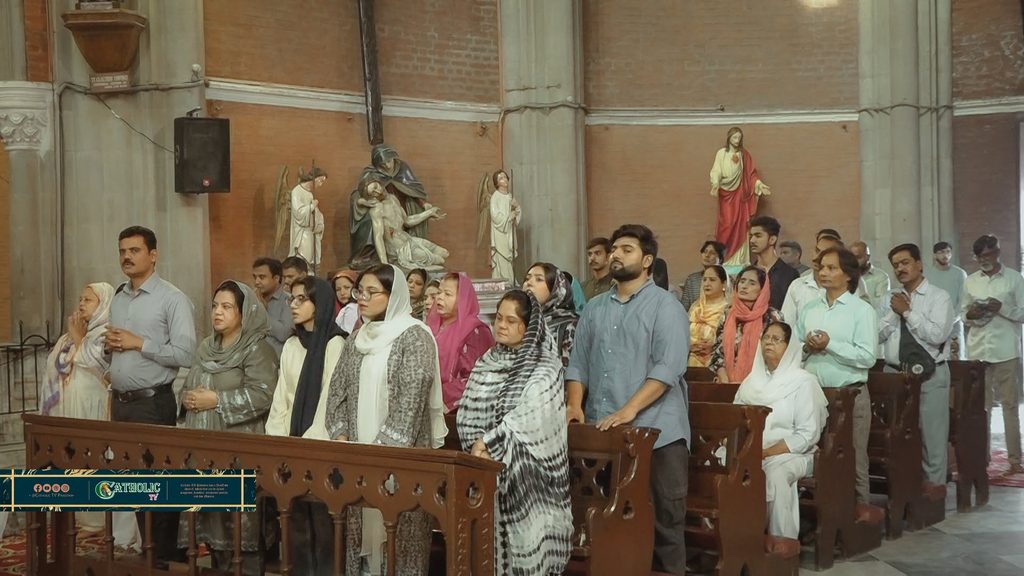
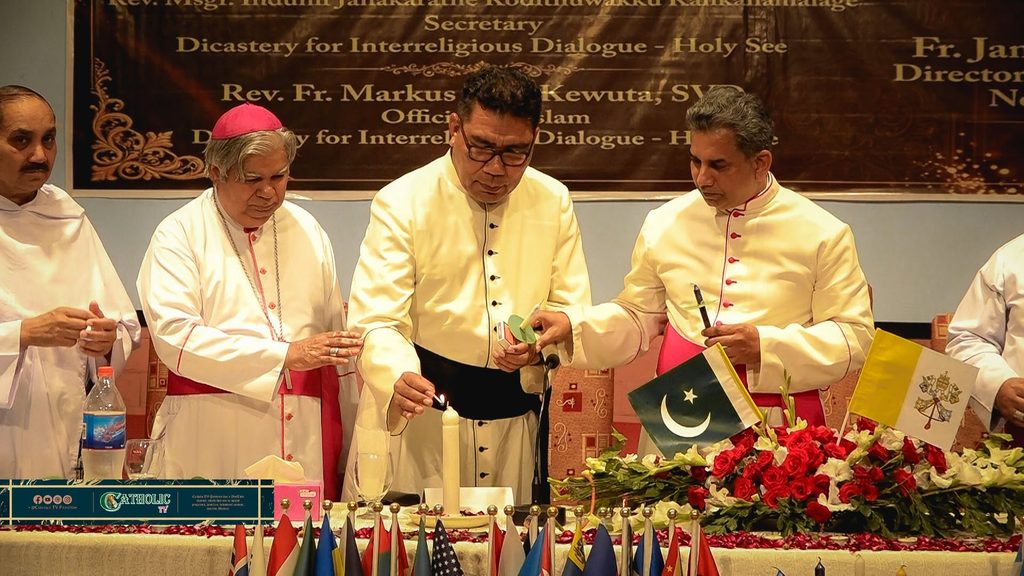
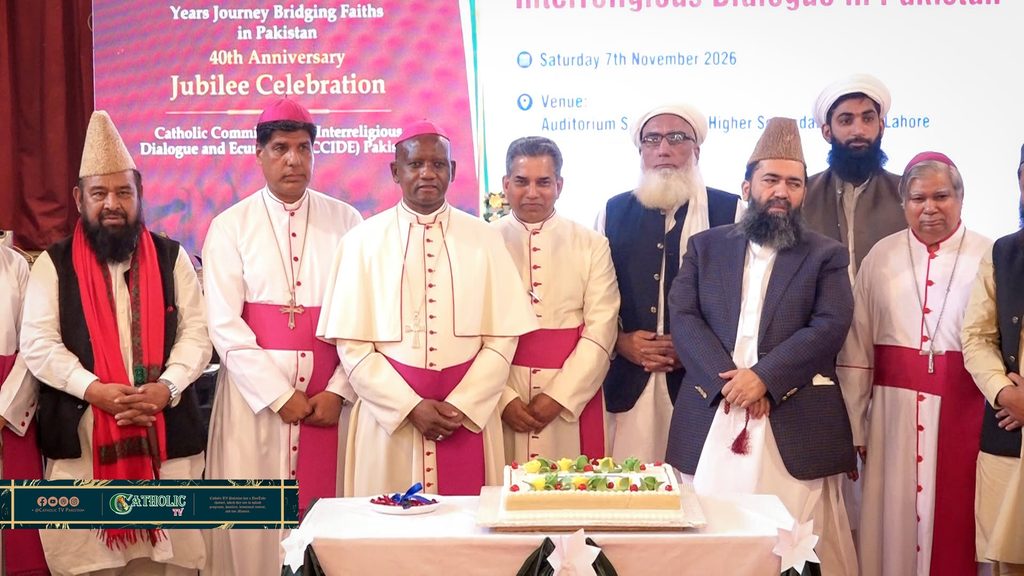
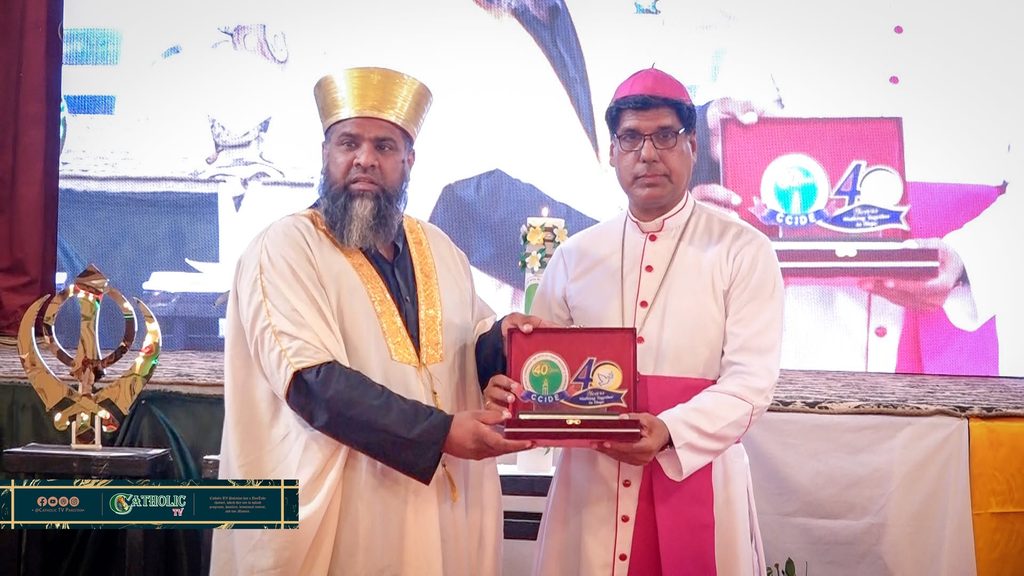
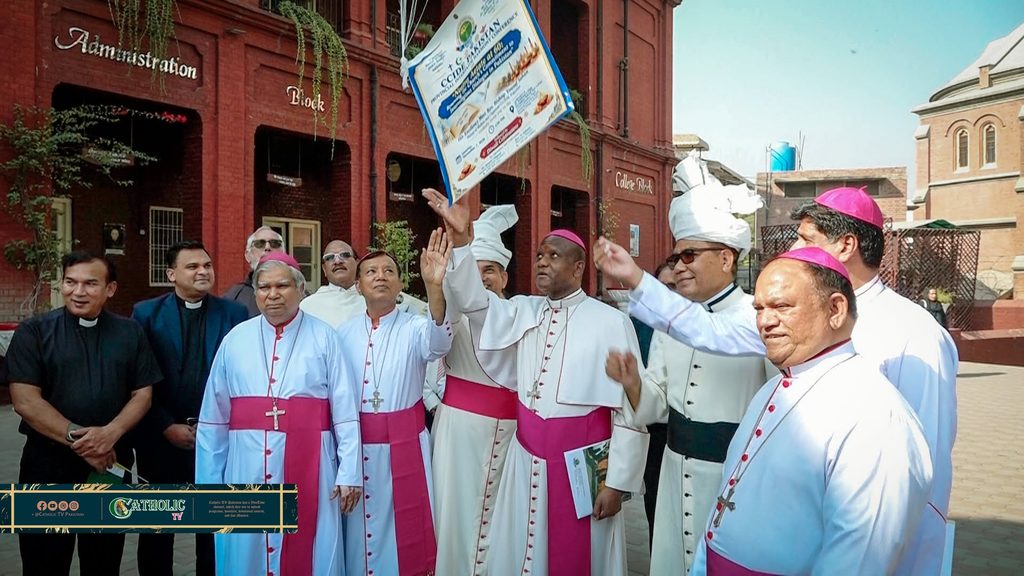
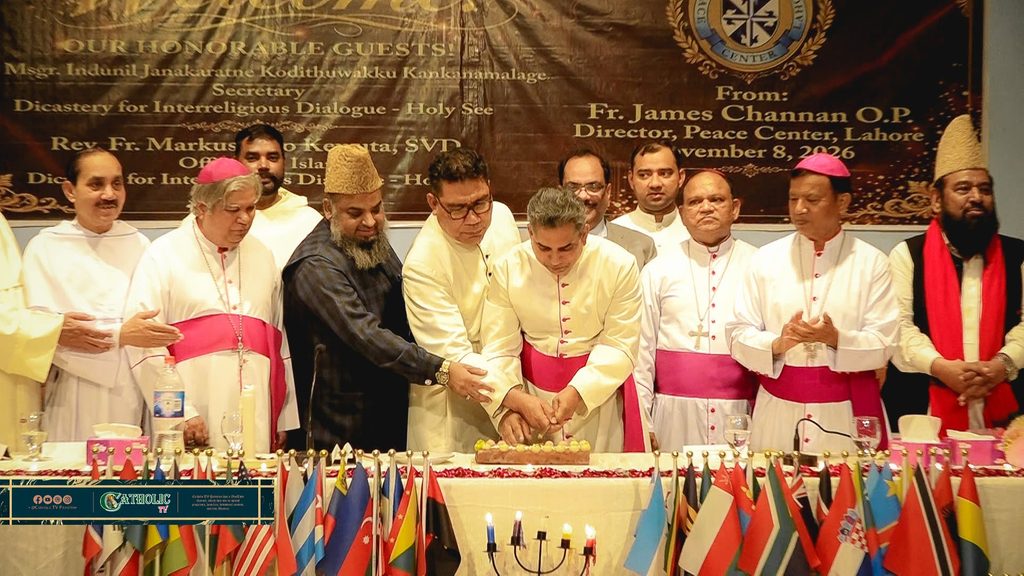
The Jubilee celebration was held on 7 November at the auditorium of St. Anthony’s Higher Secondary School under the theme “Building Bridges for Harmony: Four Decades of CCIDE and the Future of Interreligious Dialogue in Pakistan.” The occasion also marked the 60th anniversary of Nostra Aetate, the Second Vatican Council’s declaration on the Church’s relations with non-Christian religions.
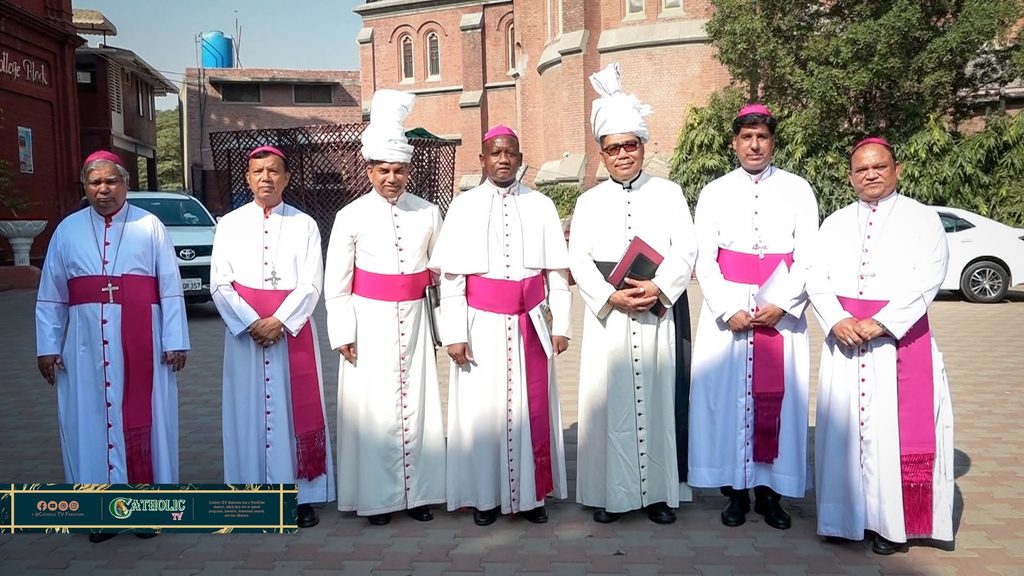
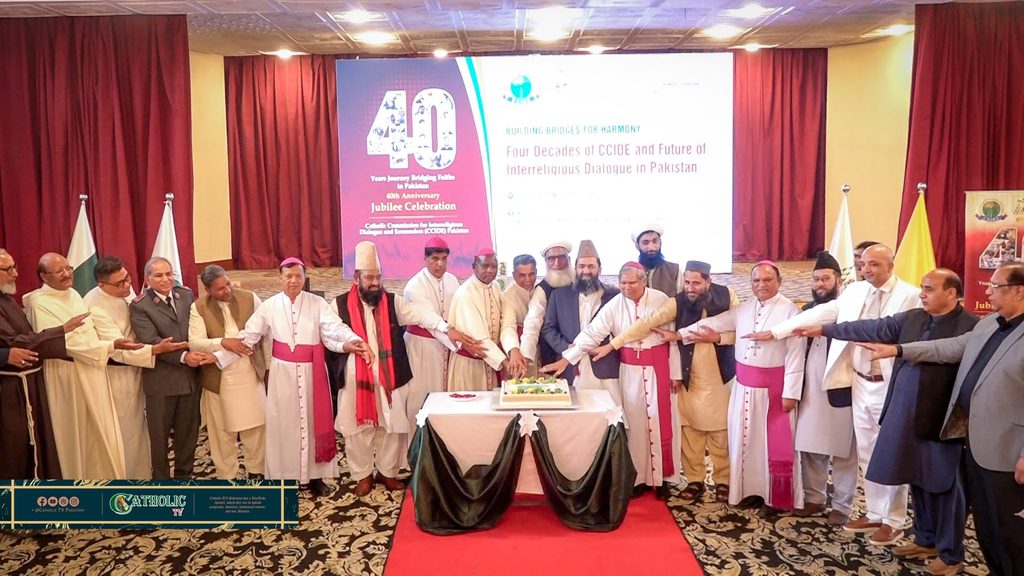
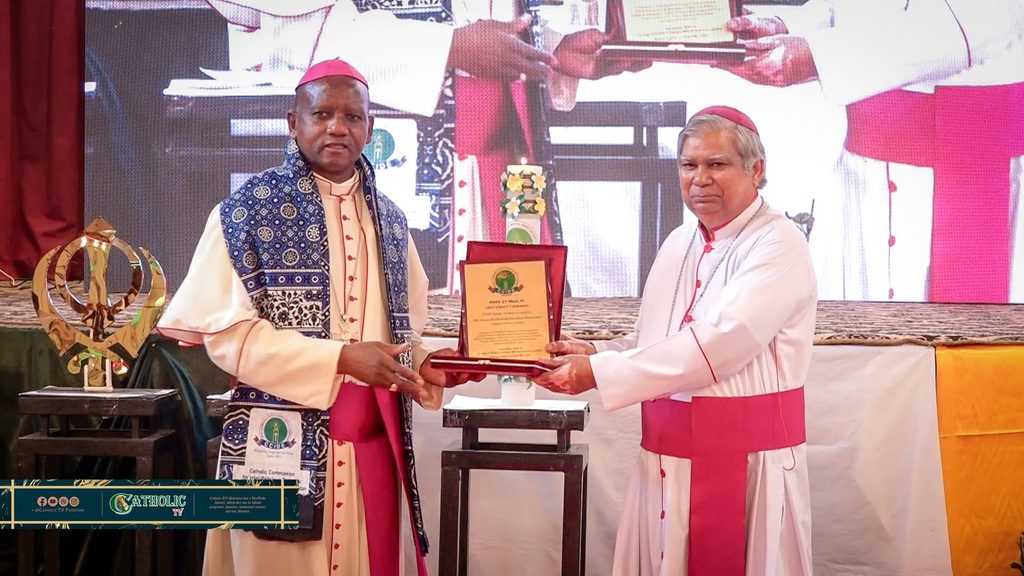
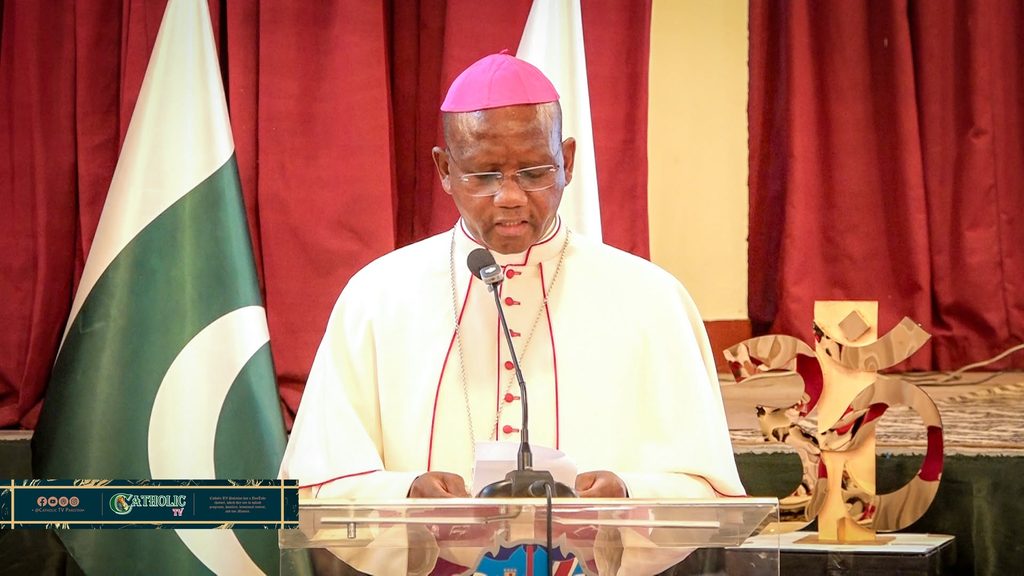
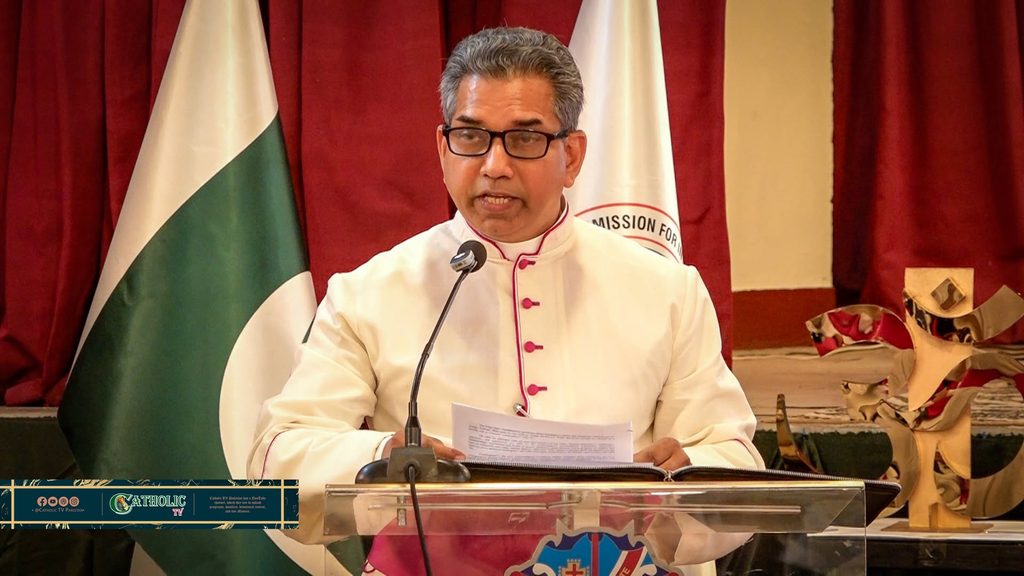
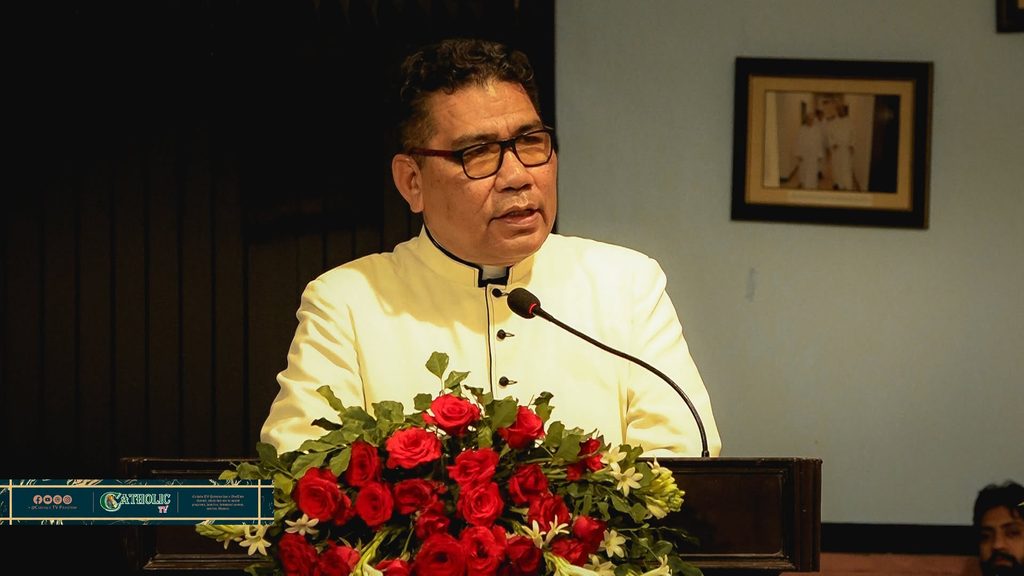
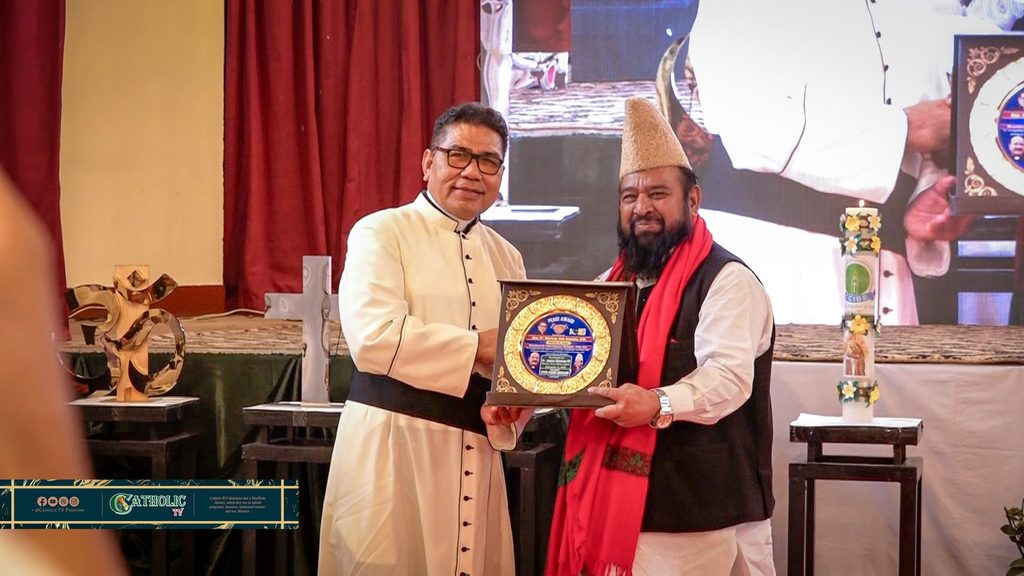
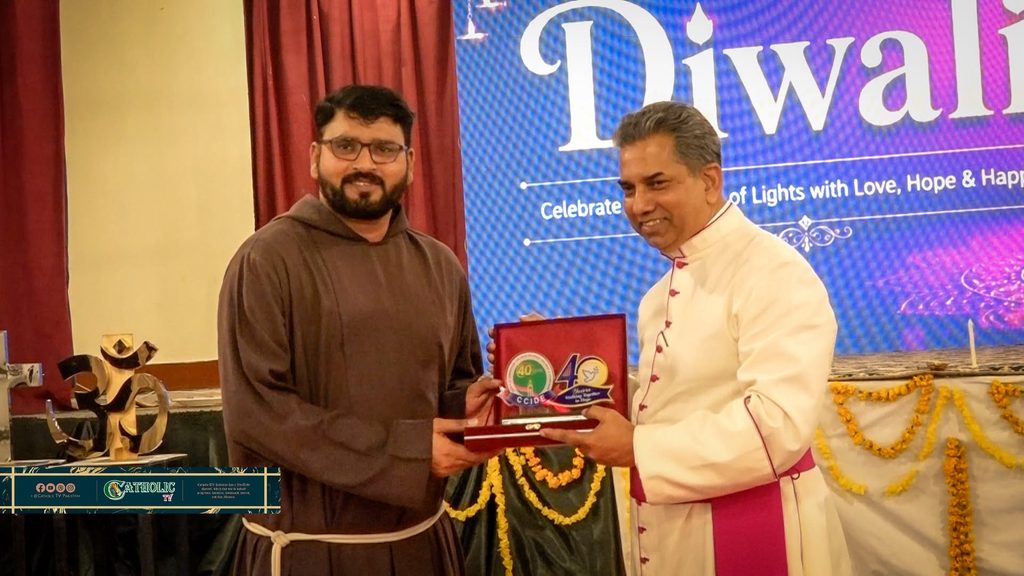
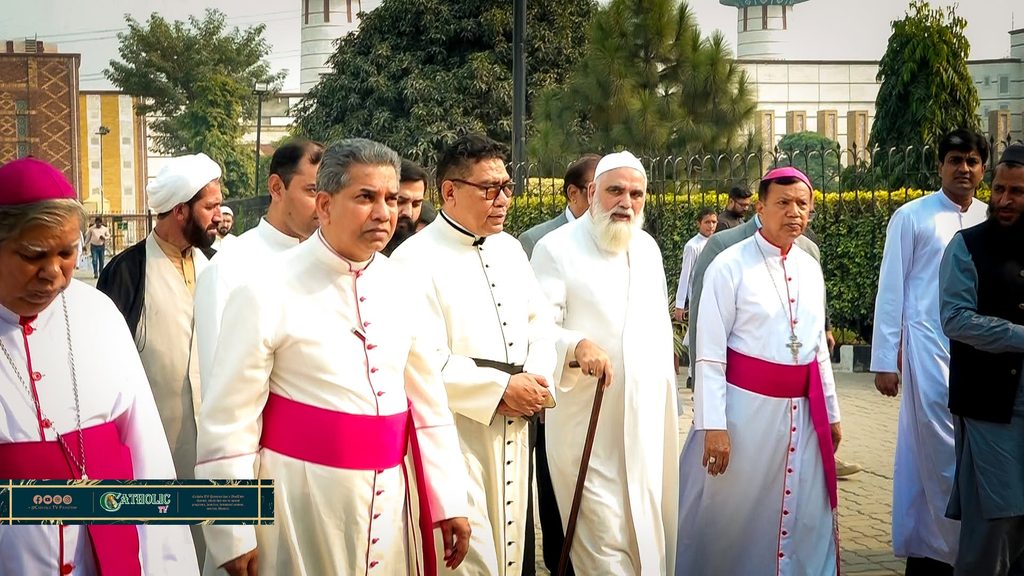
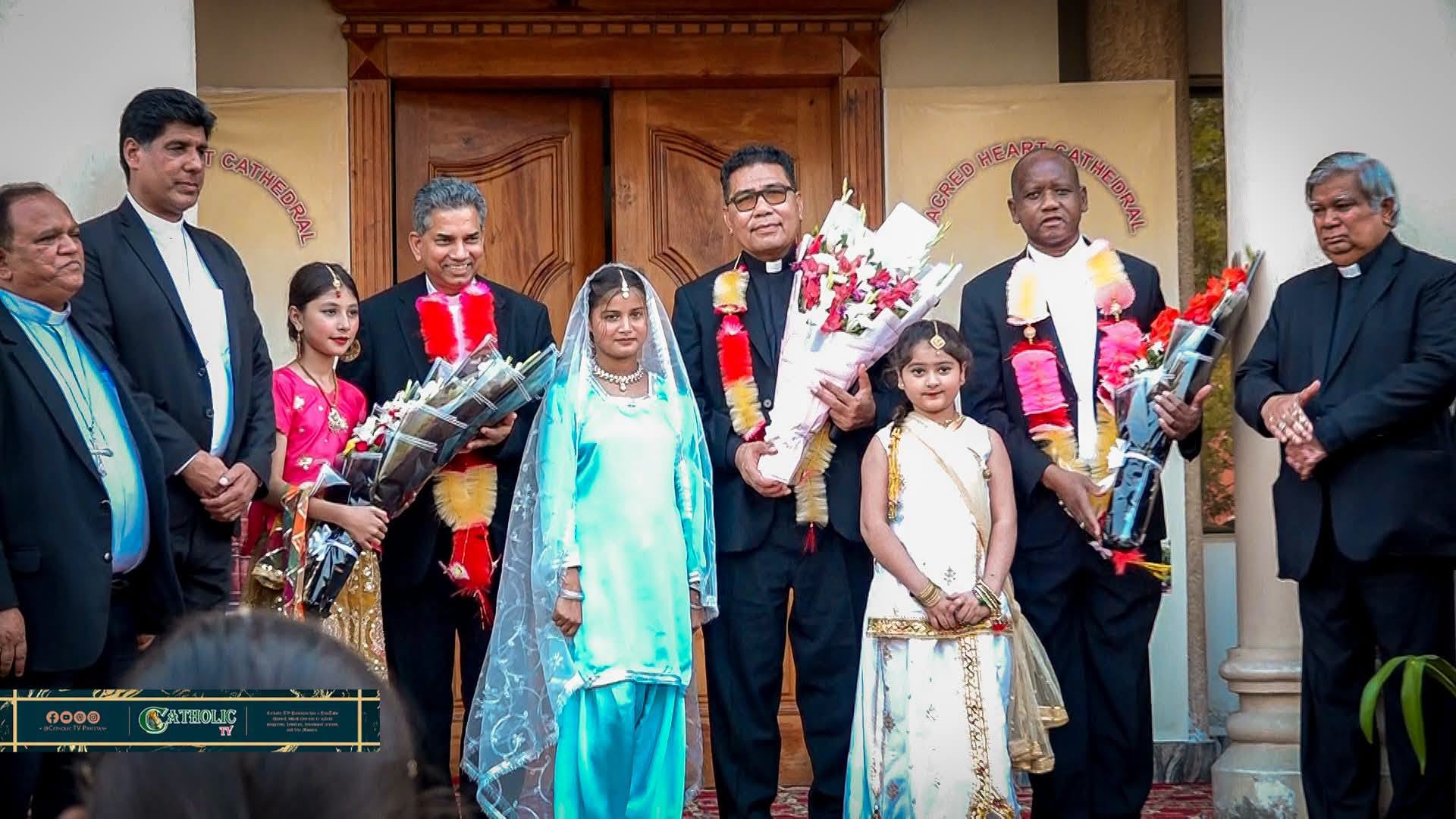
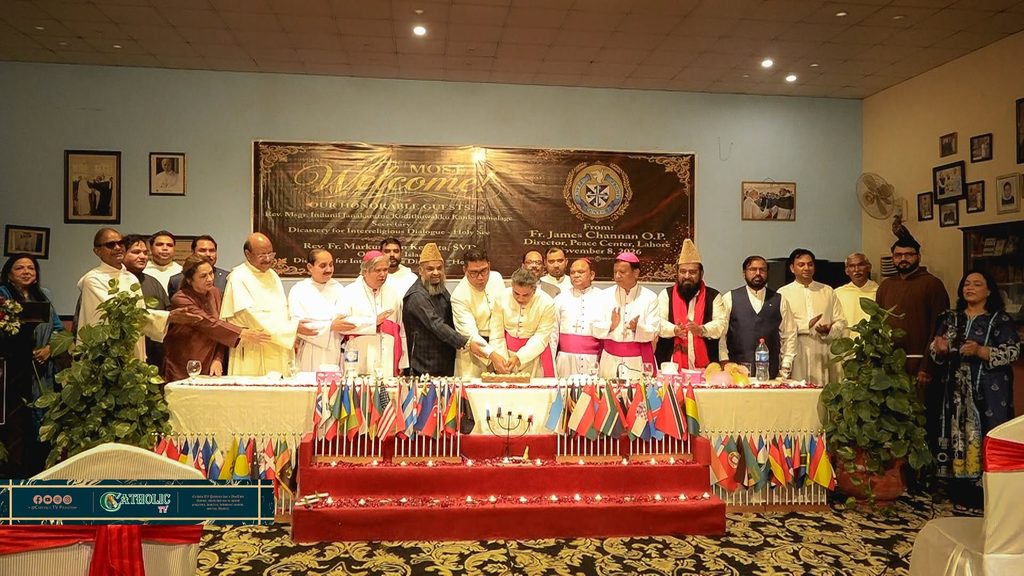
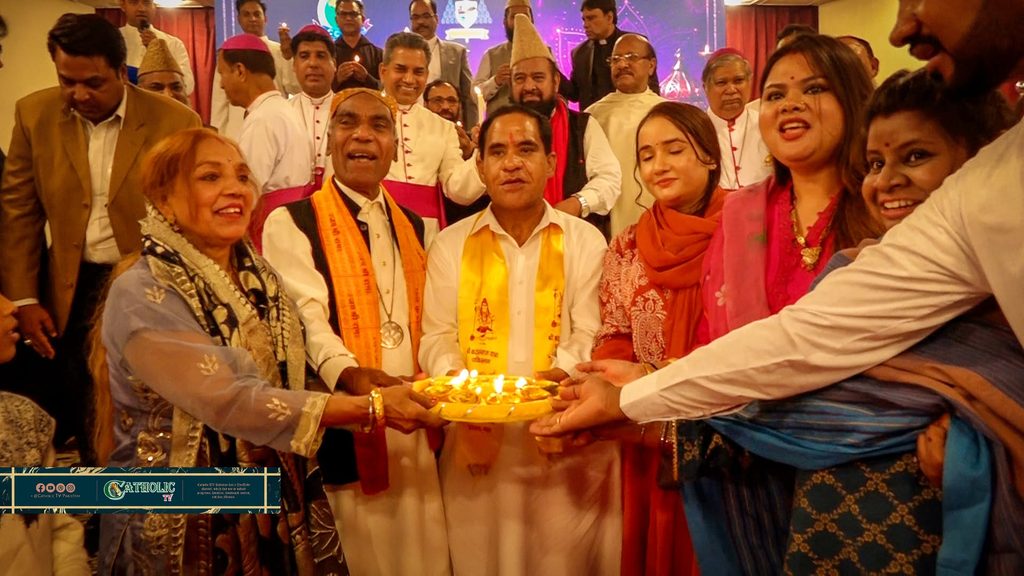
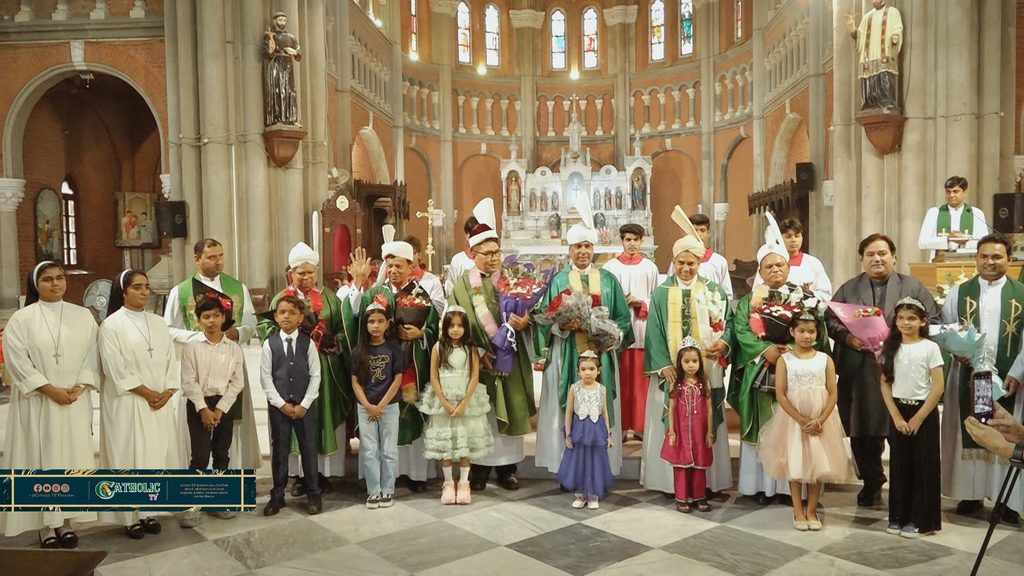
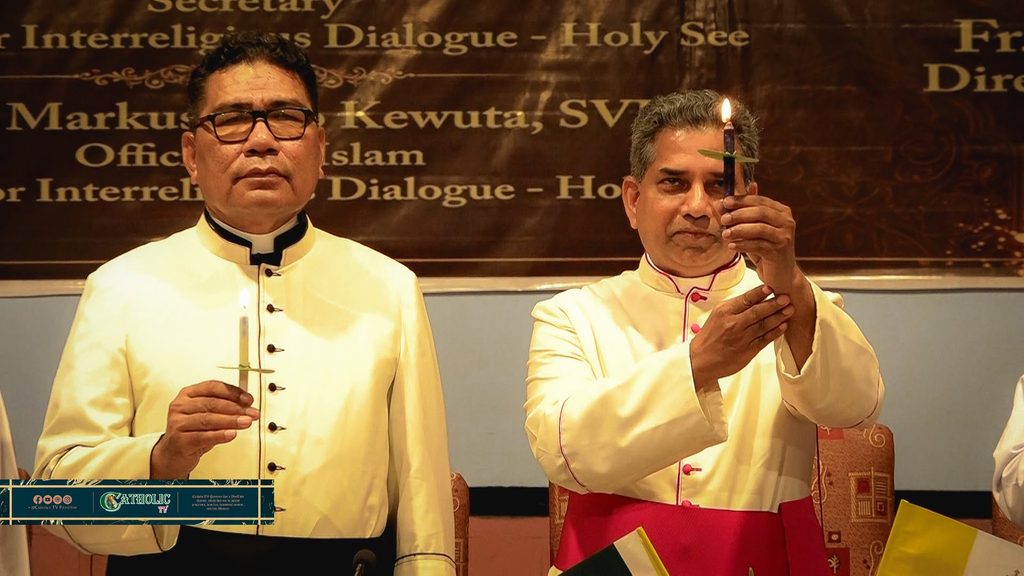
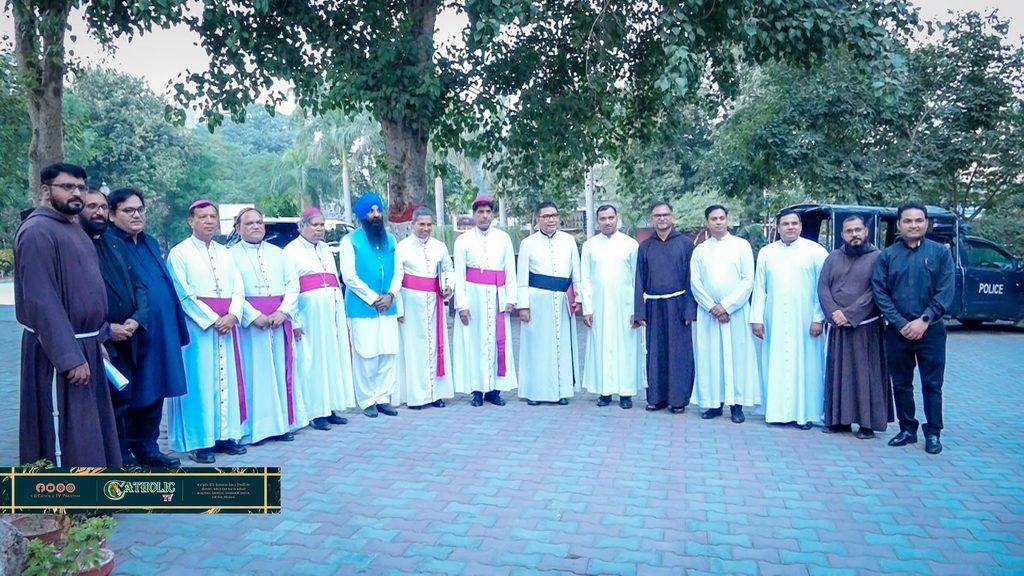
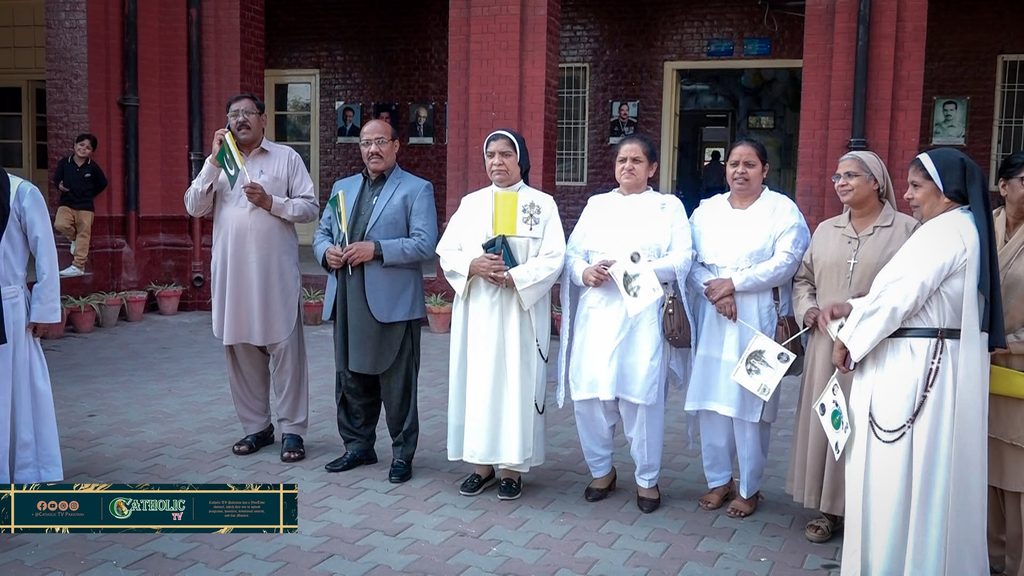
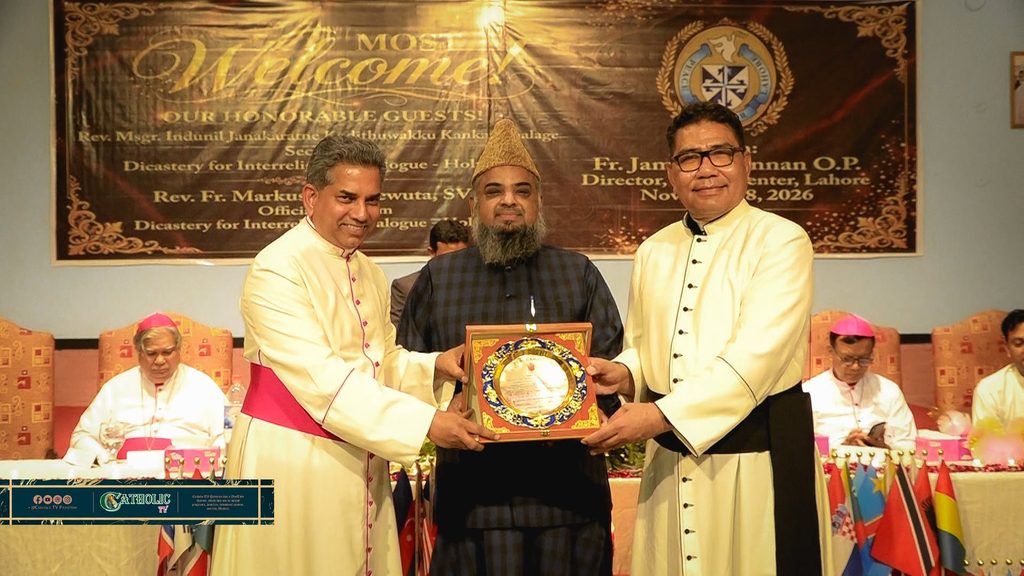
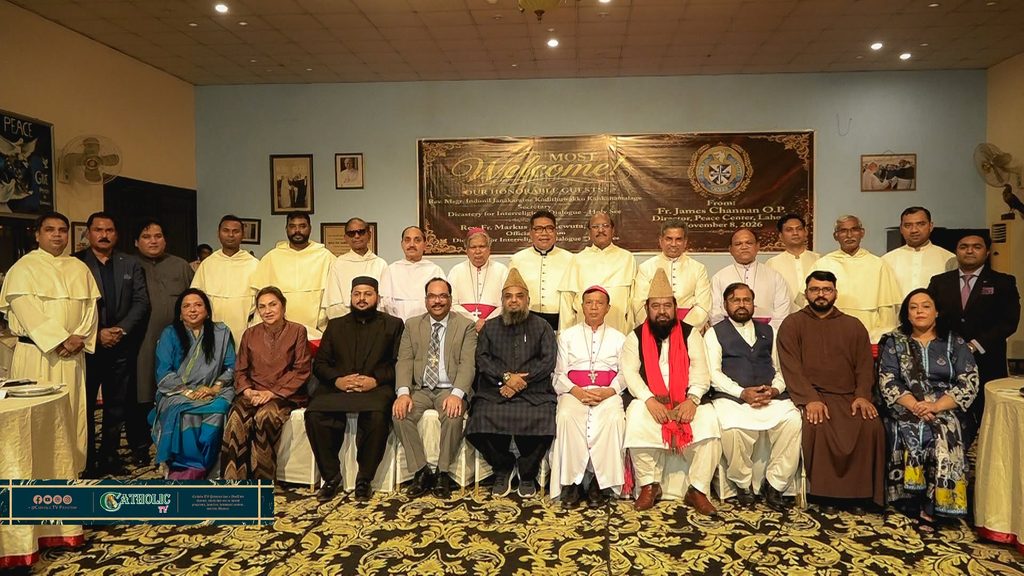
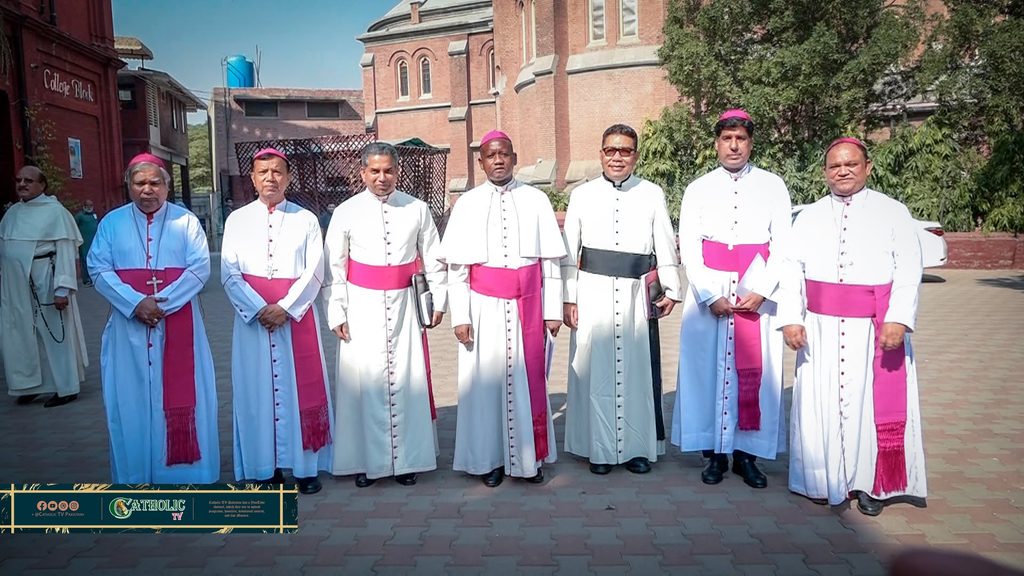
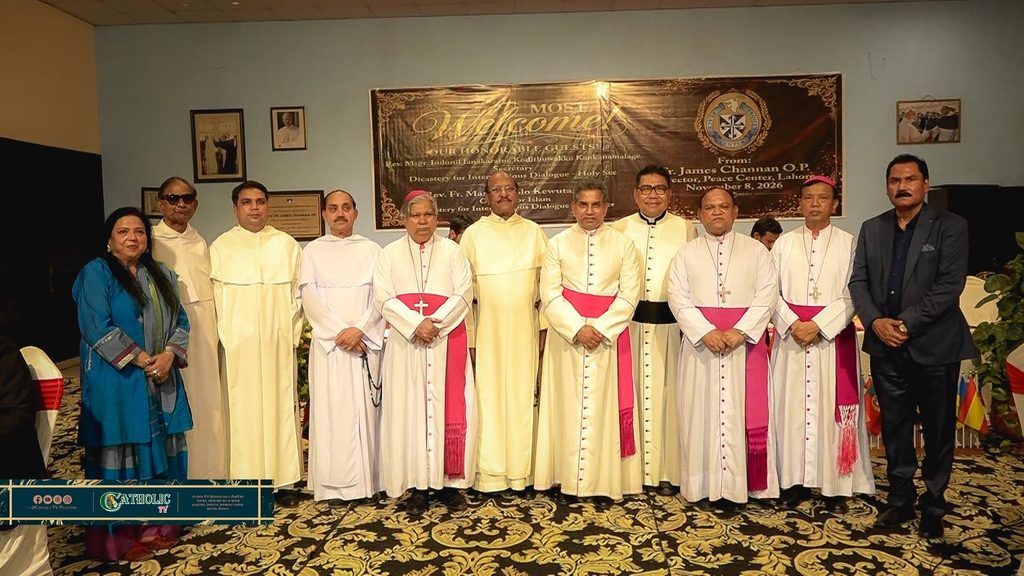
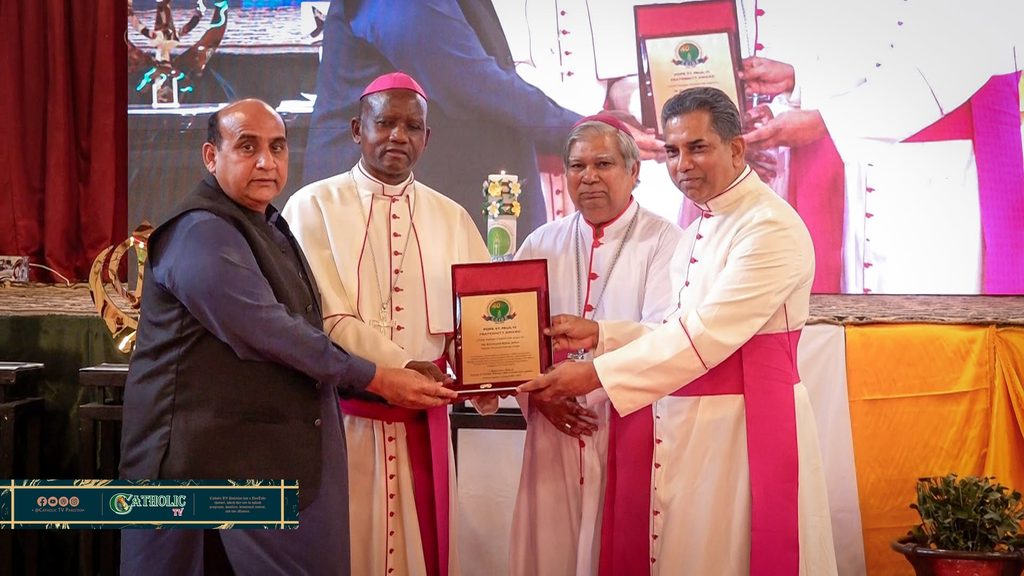
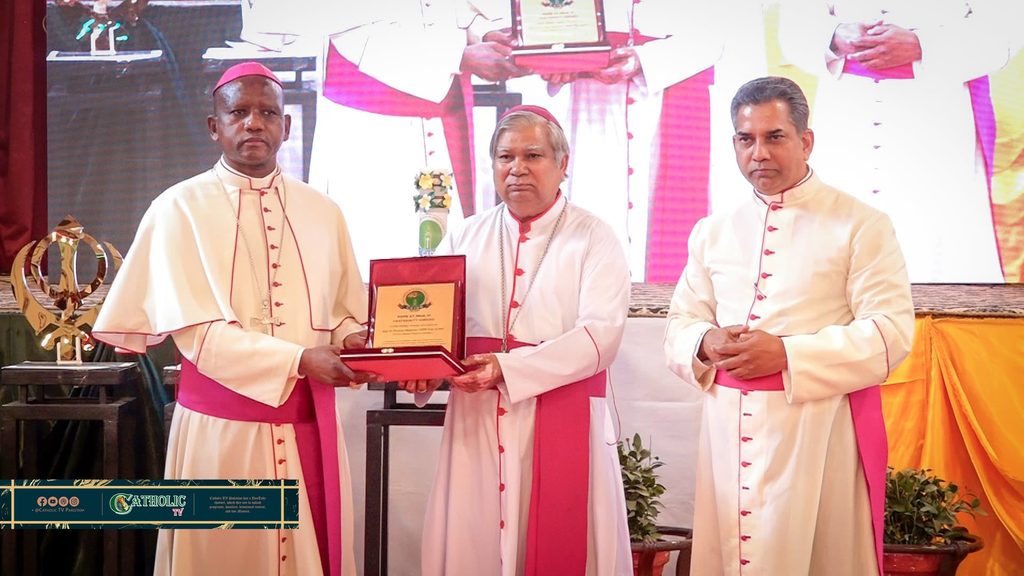
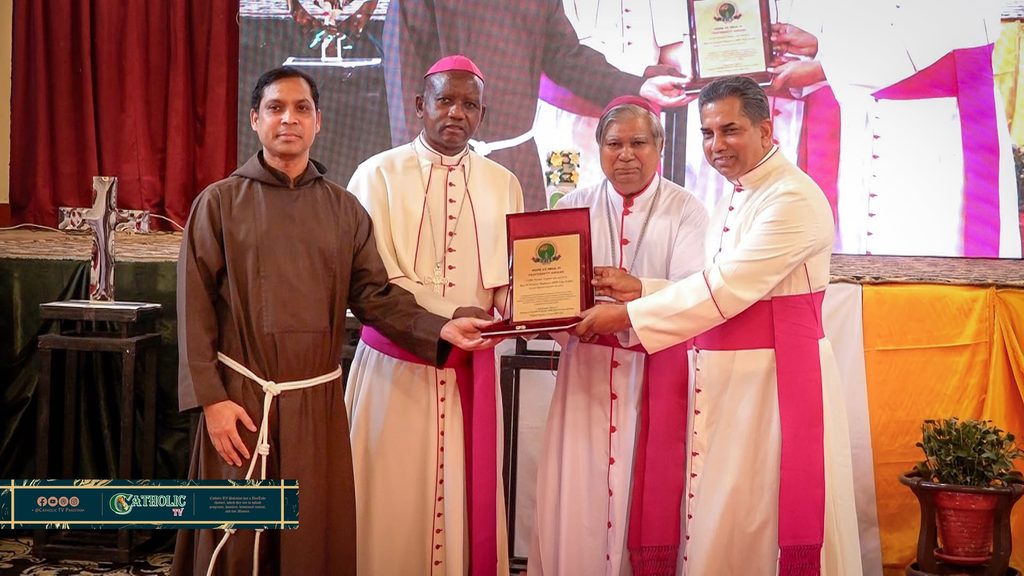
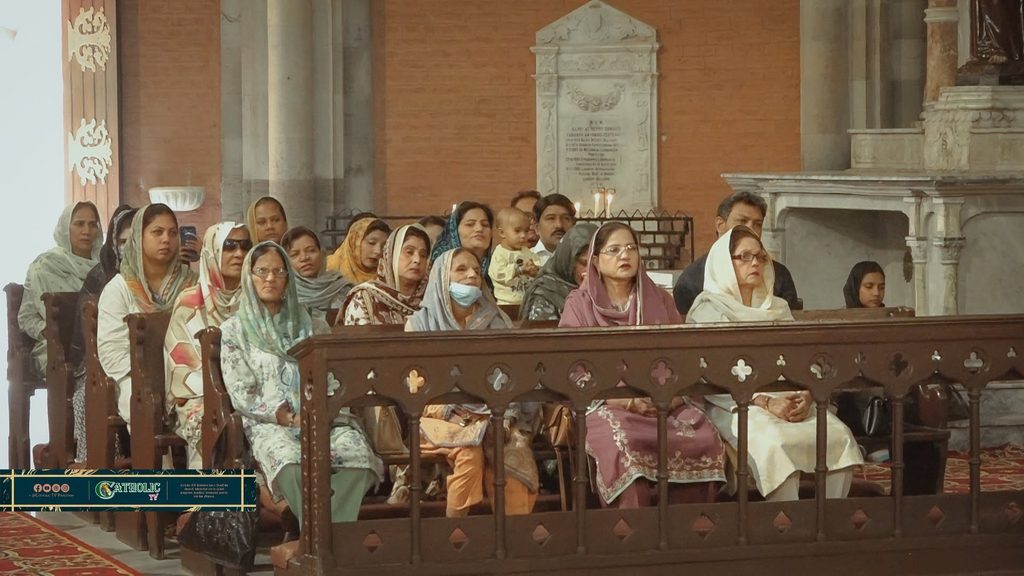
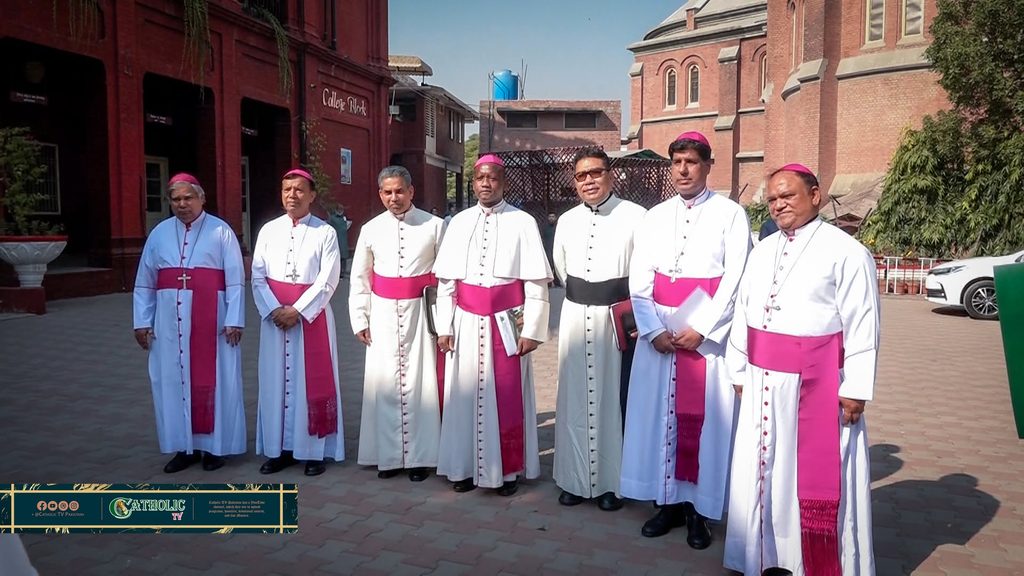
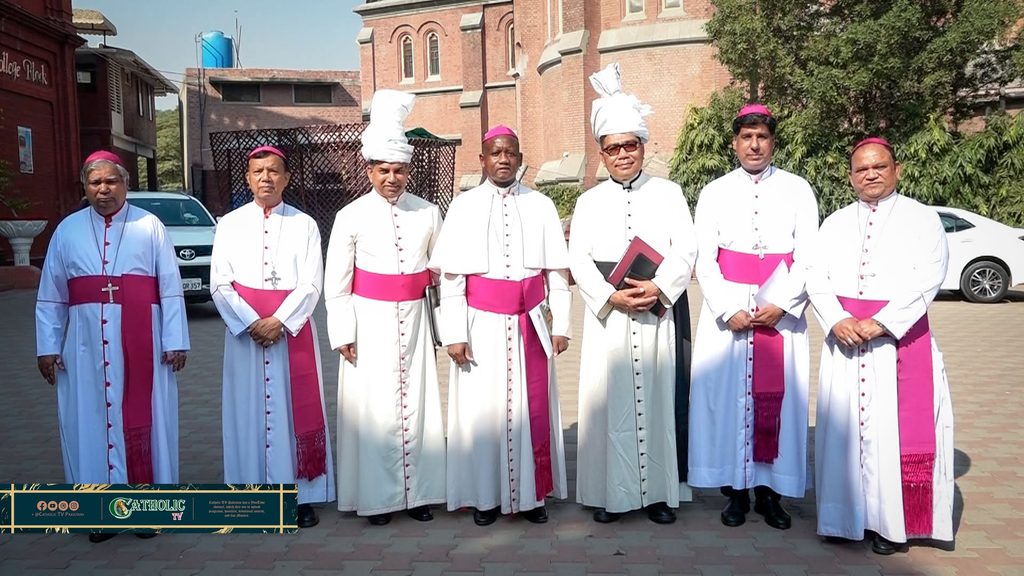
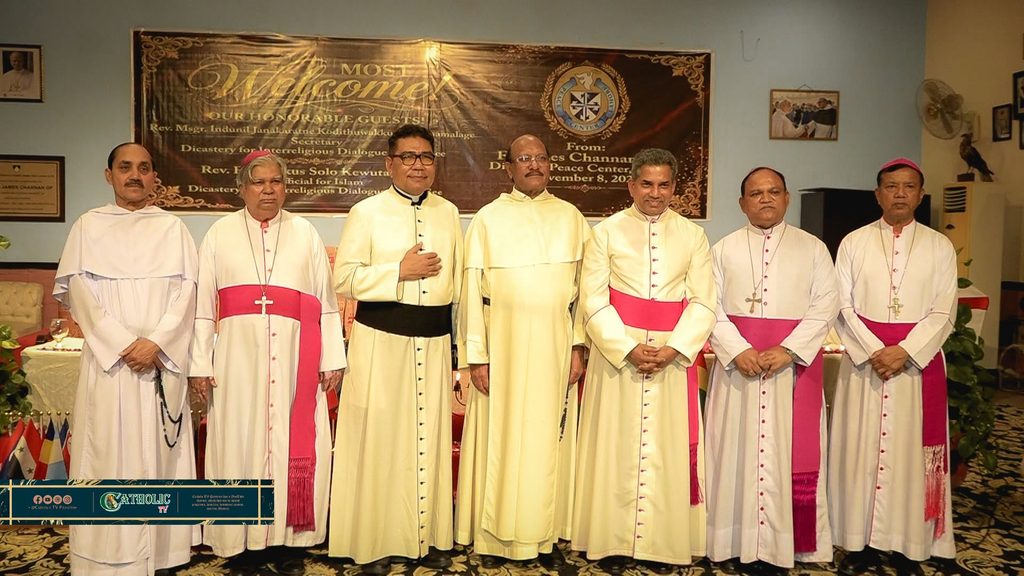
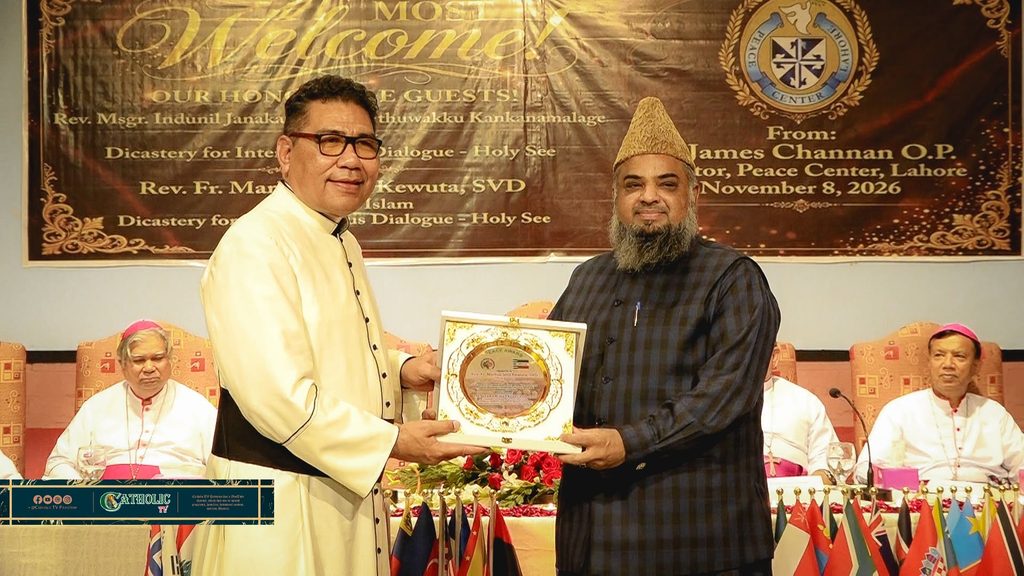
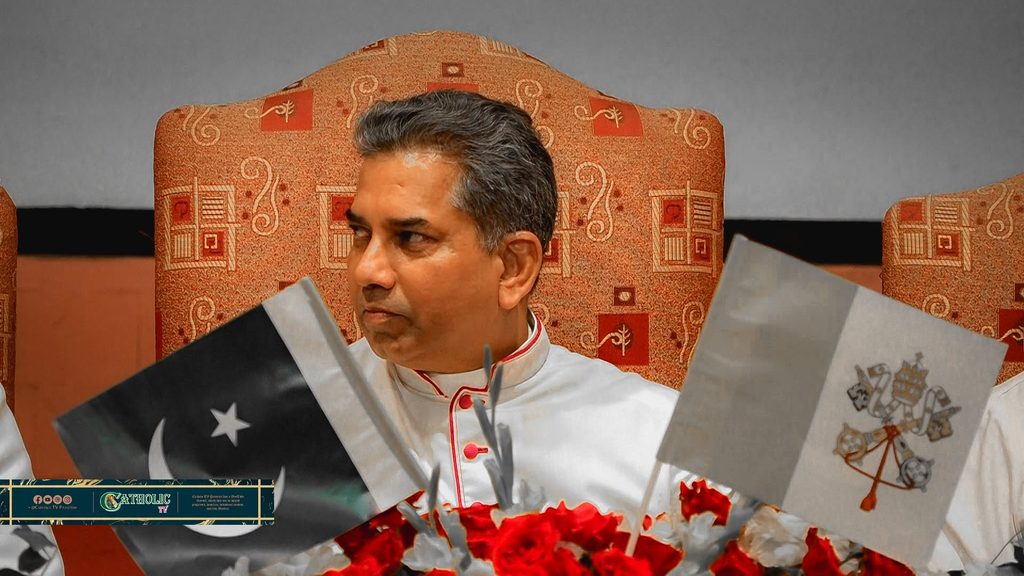
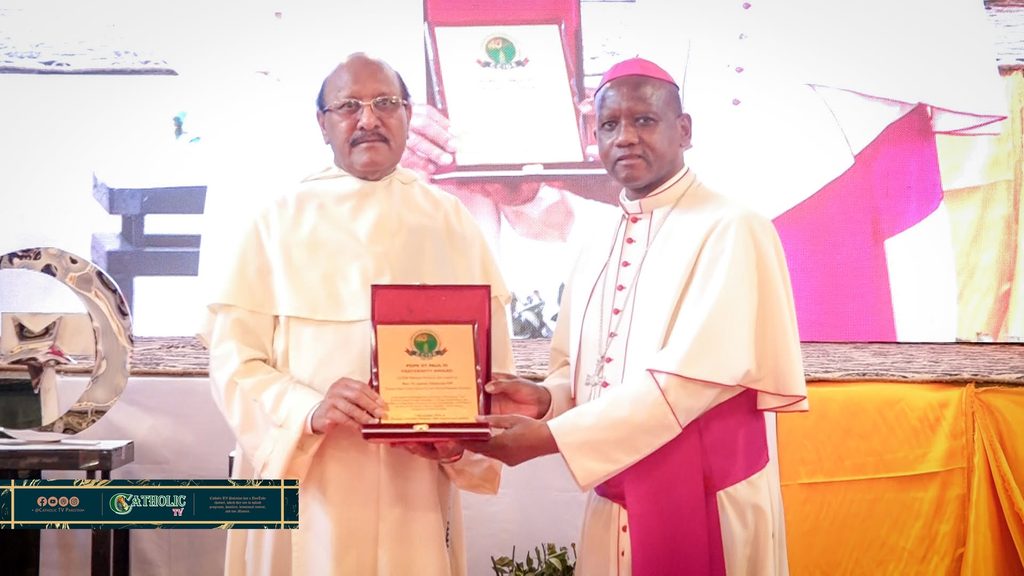
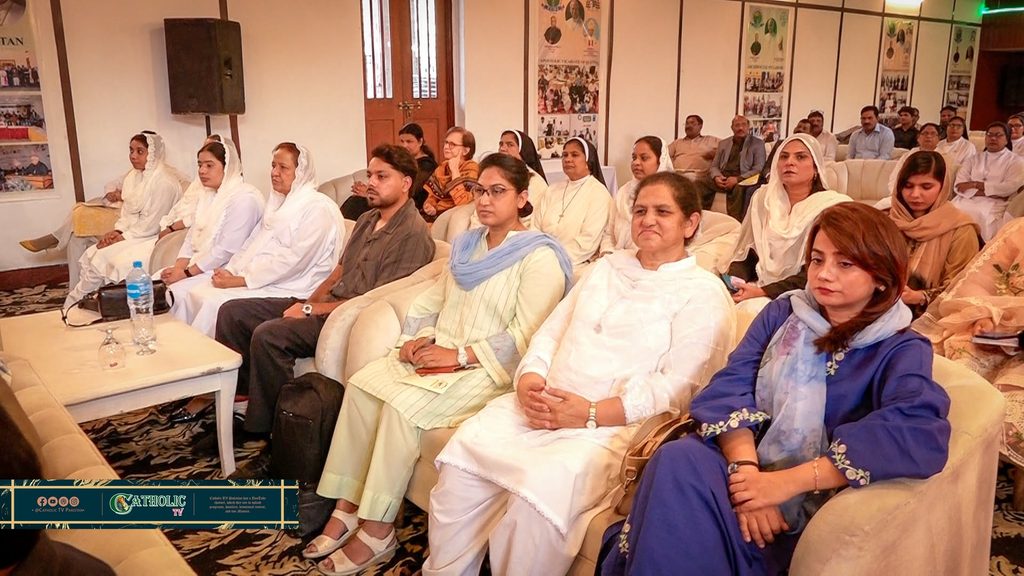
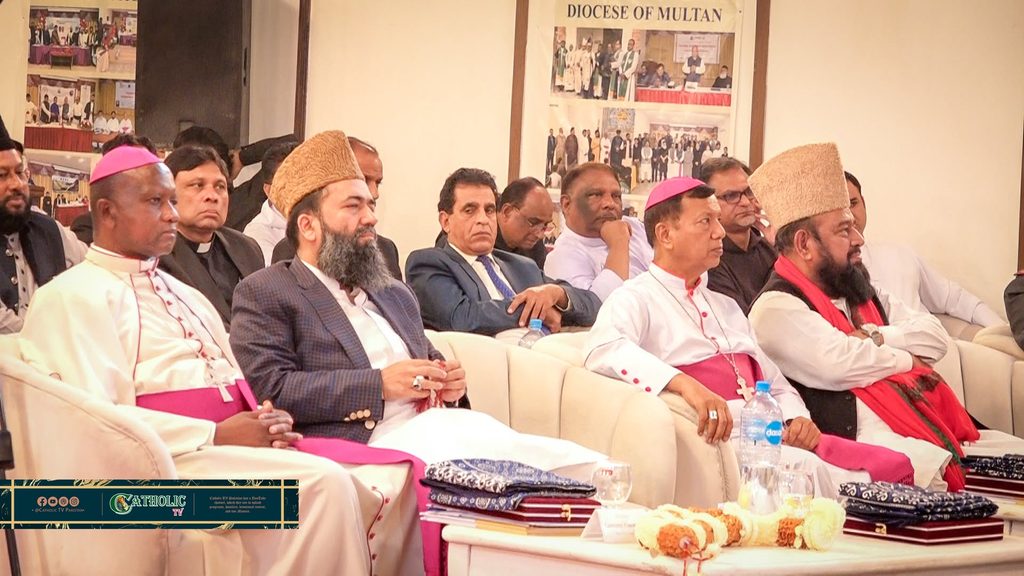
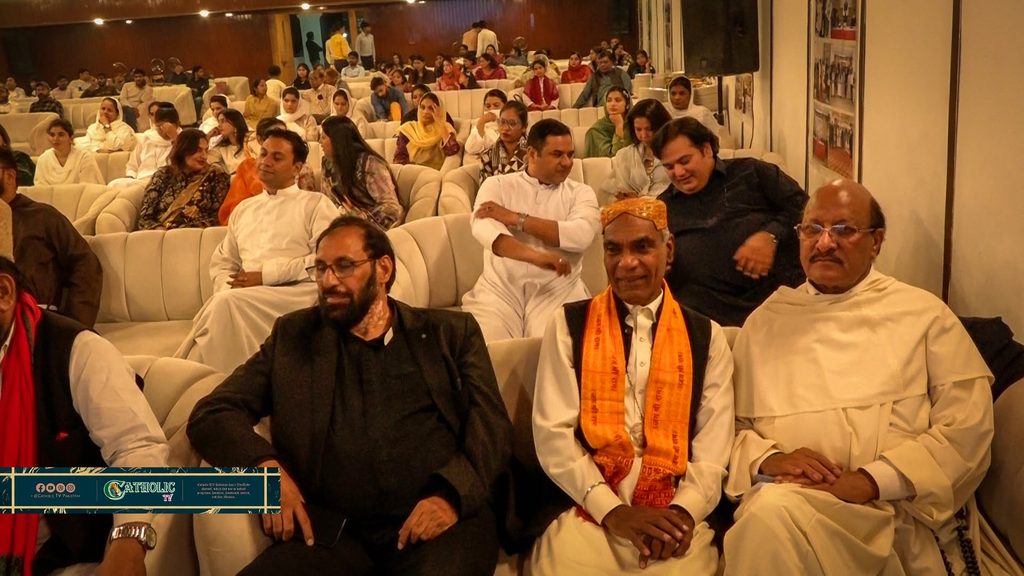
Bishop Yousaf Sohan welcomed the Vatican delegation, led by Msgr. Indunil Kodithuwakku, Secretary of the Dicastery for Interreligious Dialogue, and accompanied by Fr. Markus Solo Kewuta SVD. Archbishop Germano Penemote, Apostolic Nuncio to Pakistan, was also present, along with His Grace Archbishop Khalid Rehmat OFM Cap., Archbishop of Lahore, bishops, priests, religious and representatives of different religious traditions.
Reflecting on four decades of the Commission’s work, Bishop Yousaf thanked the Church leaders, religious representatives and collaborators who had contributed to its mission. He recalled that the Jubilee was not only a celebration of past achievements but also a call to continue building peace and fraternity in a society marked by religious diversity.
“Genuine dialogue does not imply watering down our own beliefs,” he said. “On the contrary, we can dialogue effectively when we are clear and firm in our convictions, and at the same time open to understand the reasons of the other.”
Archbishop Germano Penemote also addressed the gathering, describing the Jubilee as an occasion to celebrate the work accomplished and to thank all those who had served the mission of promoting peace and fraternity through dialogue among people of different faiths.
Reflecting on the troubled situation in the world, the Apostolic Nuncio referred to Pope Leo XIV’s remarks about a culture of power that shapes human relationships, the exercise of authority and the use of economic and technological resources, including religion. He stressed that responding to the present crisis requires rebuilding a culture of cooperation and dialogue.
“Genuine dialogue does not imply watering down our own beliefs,” Archbishop Penemote said. “On the contrary, we can dialogue effectively when we are clear and firm in our convictions, and at the same time open to understand the reasons of the other.”
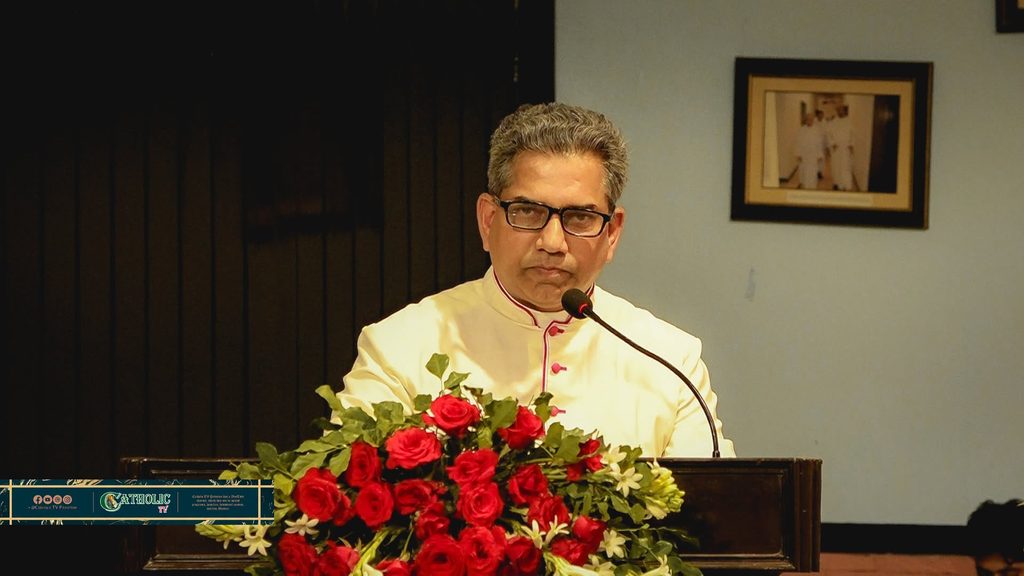
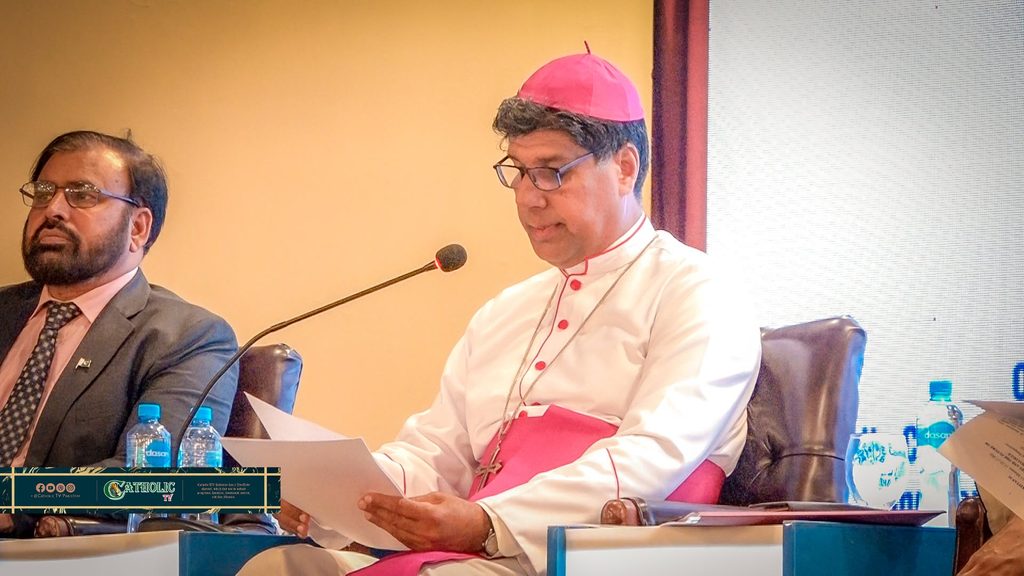
In his keynote address, Msgr. Indunil Kodithuwakku placed the Jubilee within the wider journey of the Church since the promulgation of Nostra Aetate on 28 October 1965. Reflecting on the encounter between St. Peter and Cornelius in the Acts of the Apostles, he explained how an encounter with someone from a different background can challenge prejudice and change the way people see one another.
“Sometimes the greatest obstacle to dialogue is not our differences but our perception of them,” he observed.
Msgr. Indunil recalled the declaration’s teaching that the Church “rejects nothing that is true and holy in these religions.” He explained that respect for other religious traditions does not mean ignoring differences or treating all religions as the same. Rather, it calls Christians to approach others with openness, recognize their dignity and seek opportunities for cooperation.
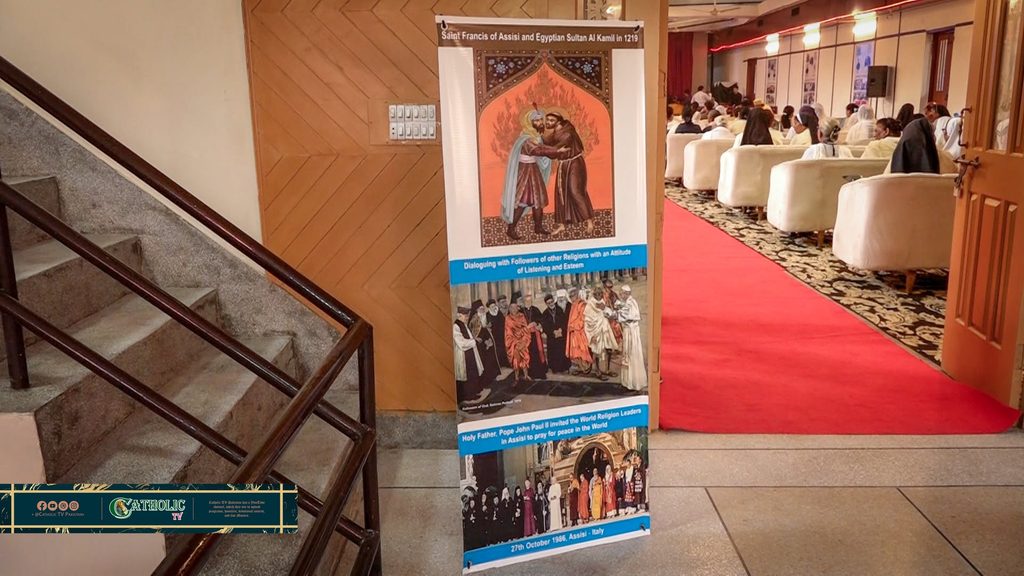
He also referred to the historic encounter of St. Francis of Assisi with Sultan al-Malik al-Kamil in 1219, the World Day of Prayer for Peace in Assisi initiated by Pope John Paul II in 1986, and the Document on Human Fraternity signed by Pope Francis and the Grand Imam of Al-Azhar in 2019. These moments, he said, show how dialogue can move beyond words and lead to friendship, cooperation and service to humanity.
Referring to the challenges of the present time, including war, religious extremism, discrimination and the rapid development of artificial intelligence, Msgr. Indunil stressed that dialogue is increasingly necessary. He drew attention to the 2026 note A Journey of Hope: Sixty Years of Interreligious Dialogue and Fraternity in the Light of the Conciliar Declaration Nostra Aetate, which calls the Church to renew its commitment to encounter, listen and cooperate with people of other faiths.
“Dialogue must become visible in our relationships, our institutions, our educational programmes and our response to human suffering,” he said. He added that the mission of dialogue belongs ultimately to God, and Christians are invited to take part in God’s work of reconciliation, peace and fraternity.
In his concluding message, Archbishop Khalid Rehmat OFM Cap. thanked Bishop Yousaf Sohan for his leadership of CCIDE Pakistan and acknowledged the contribution of the bishops, the Vatican delegation, representatives of other religions, former and present members of the Commission and its many collaborators.
Reflecting on the example of St. Francis of Assisi, whose 800th Jubilee is being commemorated, the Archbishop recalled the saint’s meeting with Sultan al-Malik al-Kamil as an example of courage, humility and openness across religious boundaries.
“Interreligious dialogue is not merely an activity or an event. It is a mission of building relationships, fostering trust, overcoming prejudices, and creating a society where every person is respected and valued,” Archbishop Khalid said.
He also thanked the organizing committee of the Archdiocese of Lahore, particularly Rev. Fr. Asif Sardar, Vicar General; Rev. Fr. Naqash Azam, Diocesan Director of Interreligious Dialogue; and the priests, religious, volunteers and collaborators who worked for the celebration.
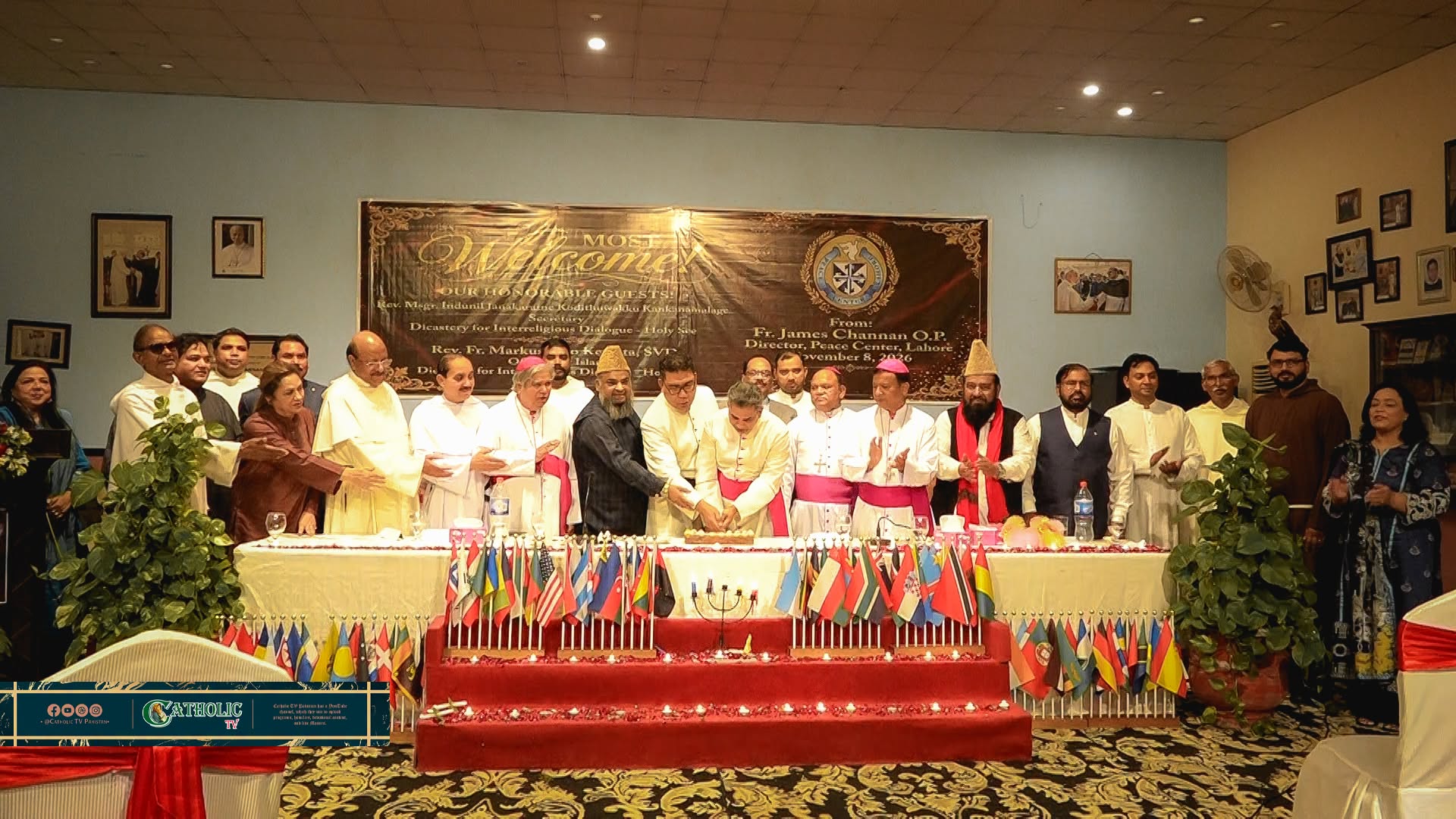
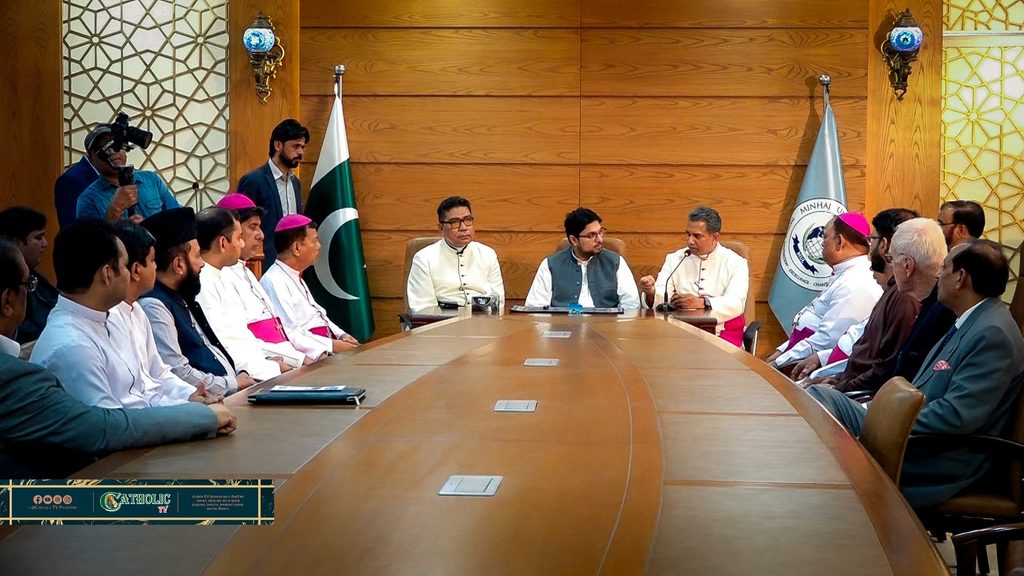
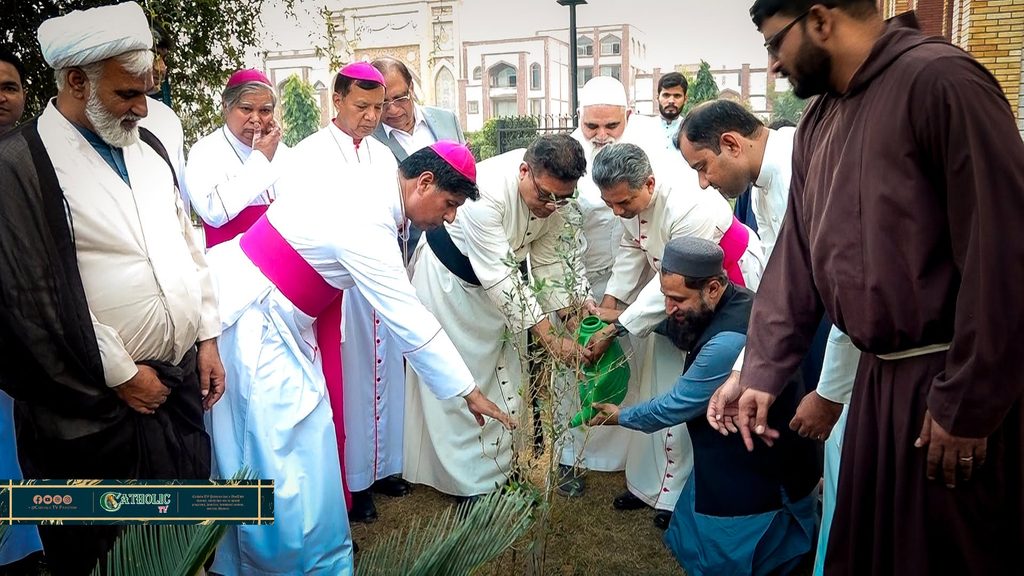
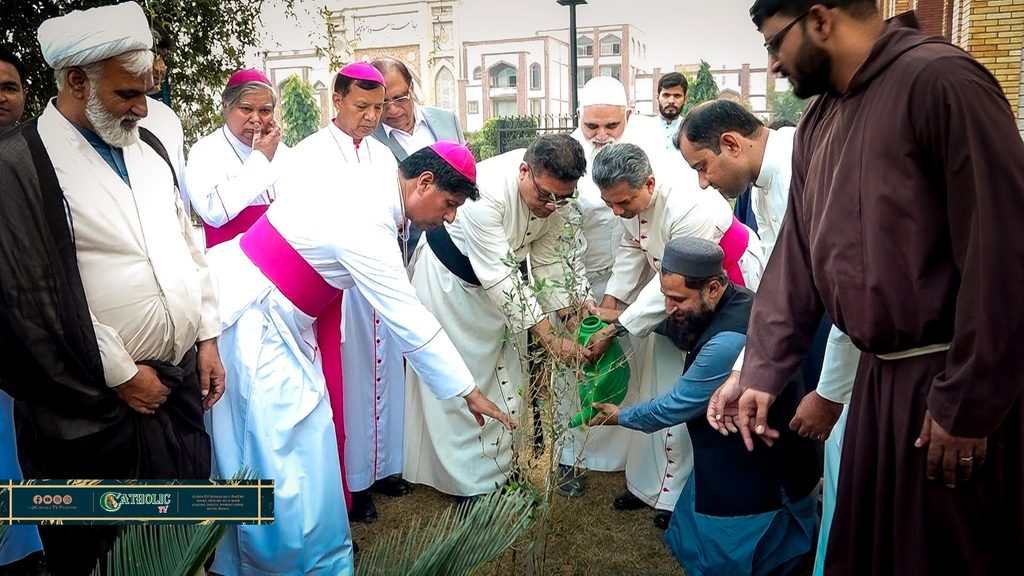
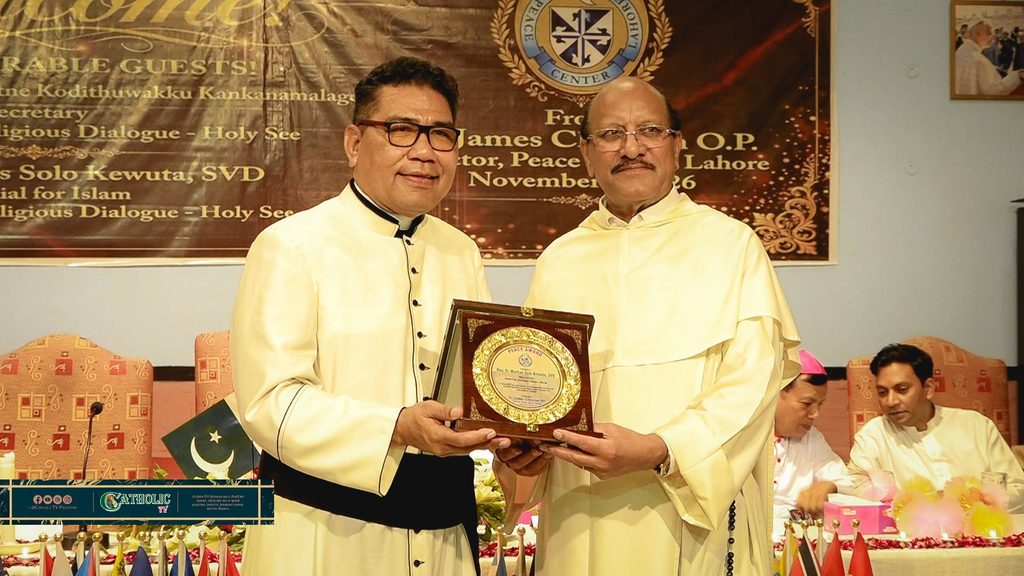
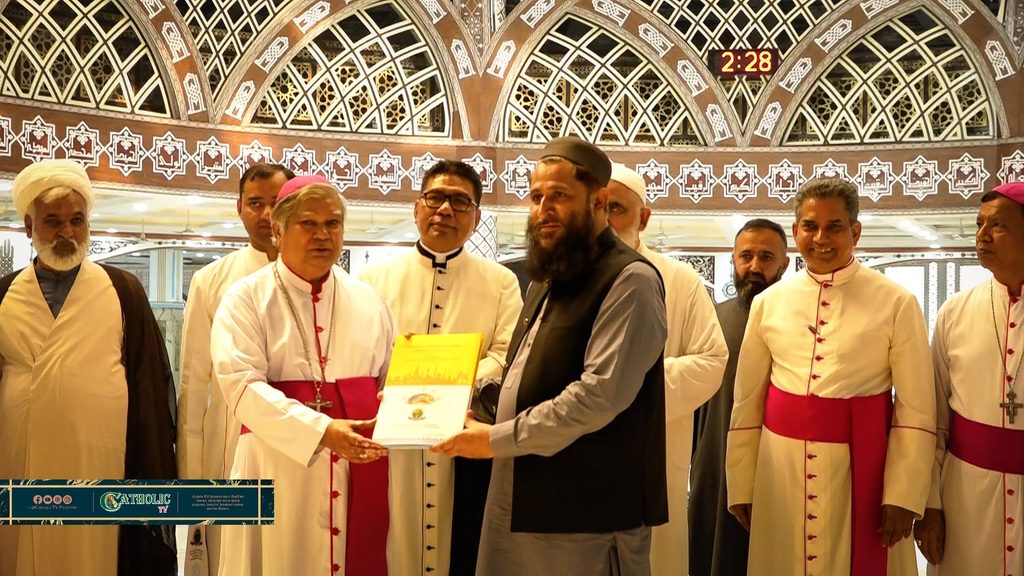
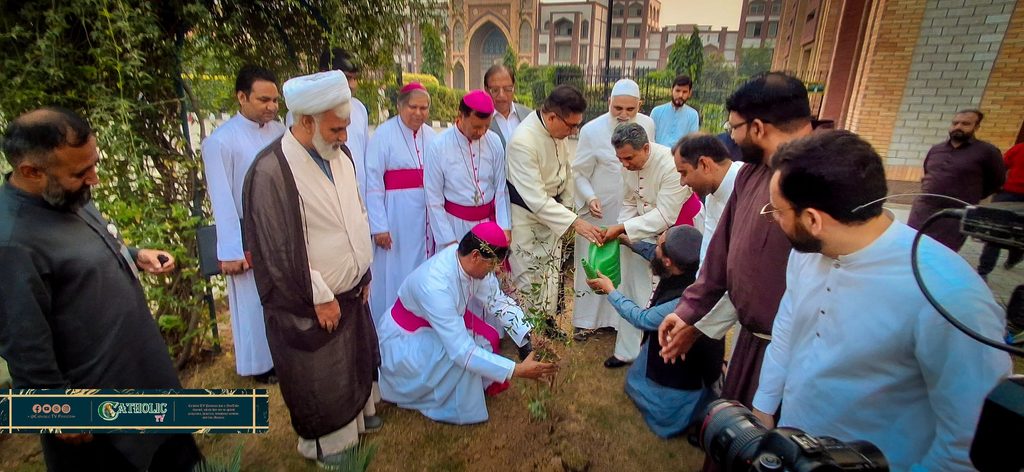
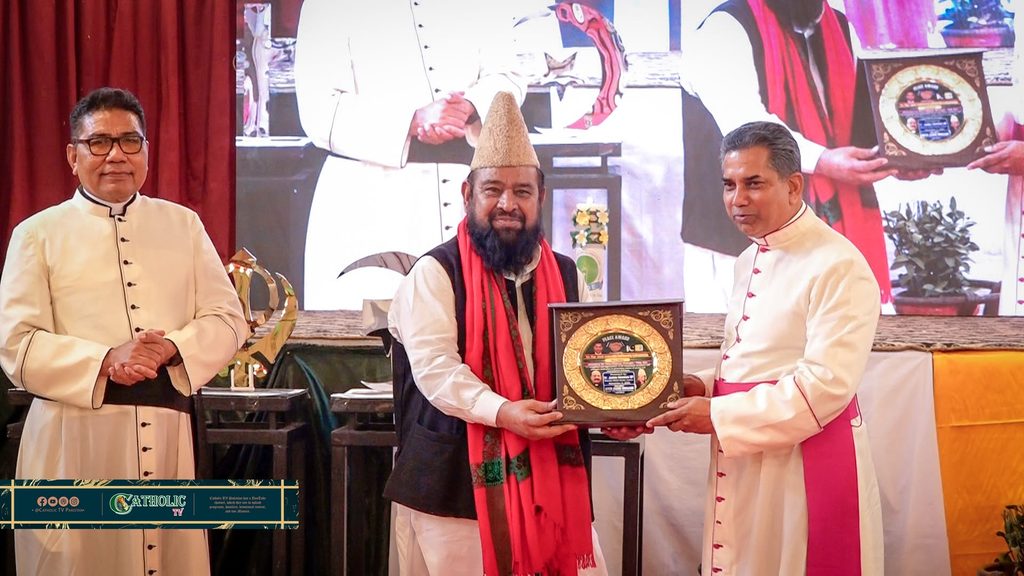
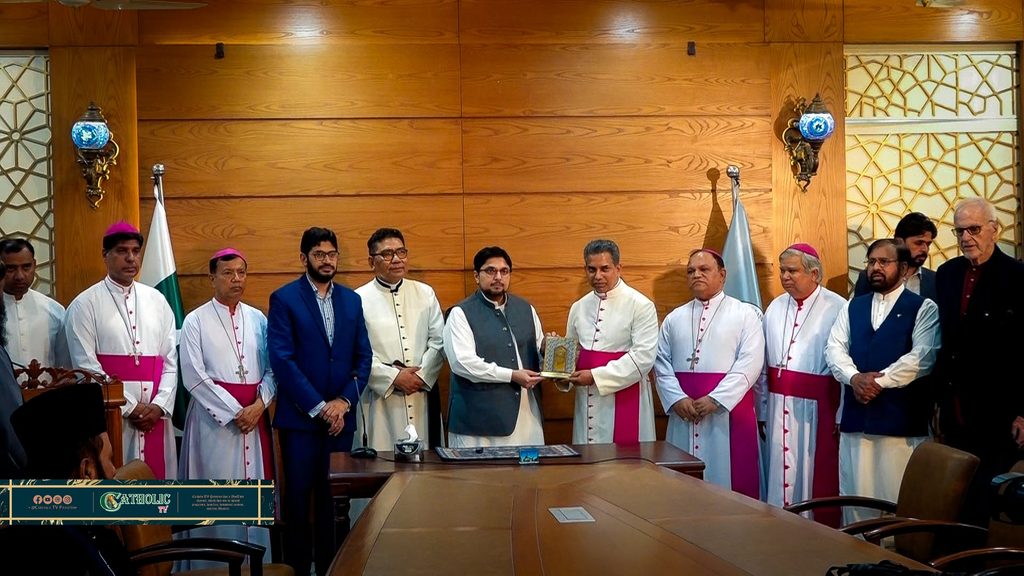
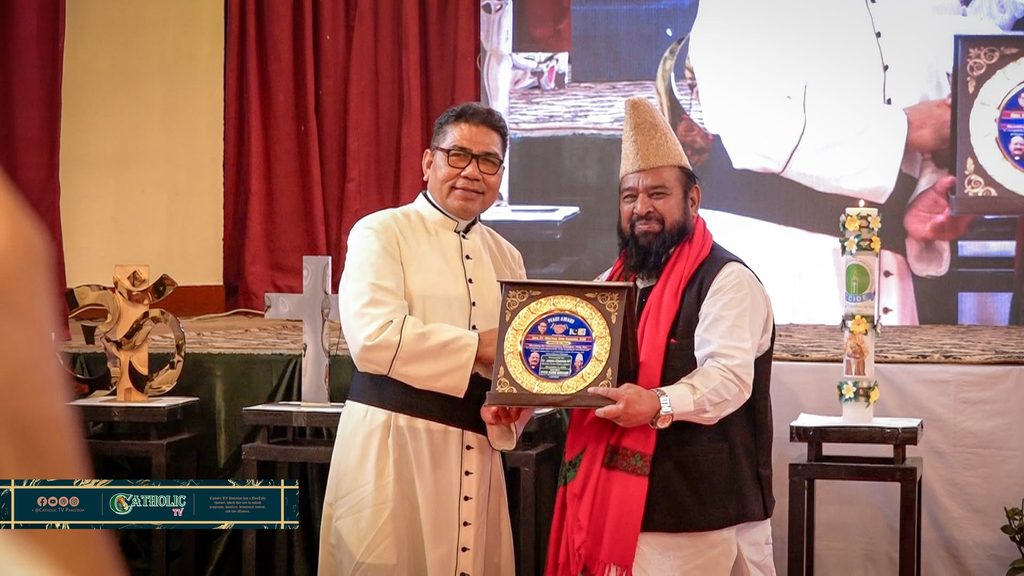
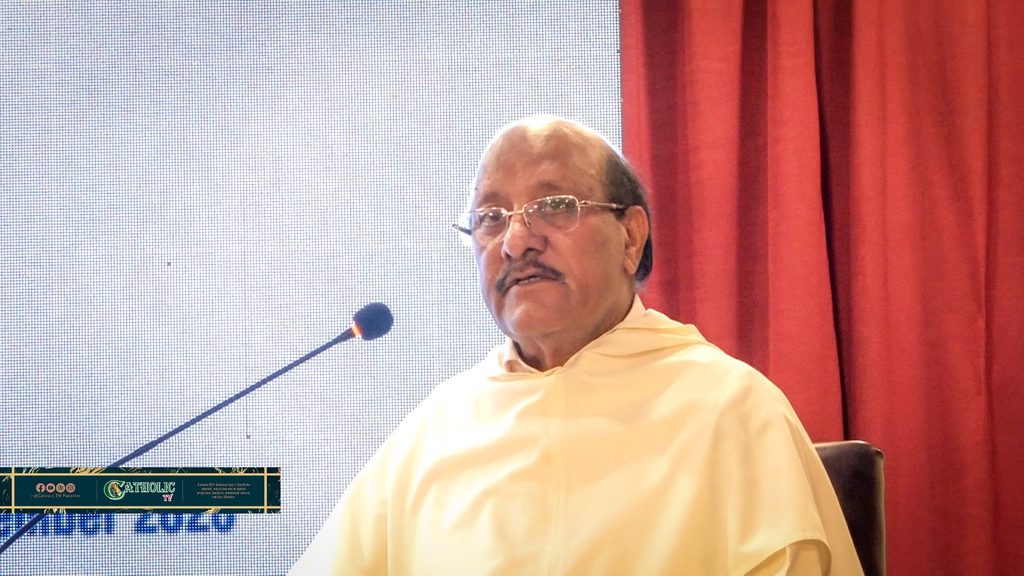
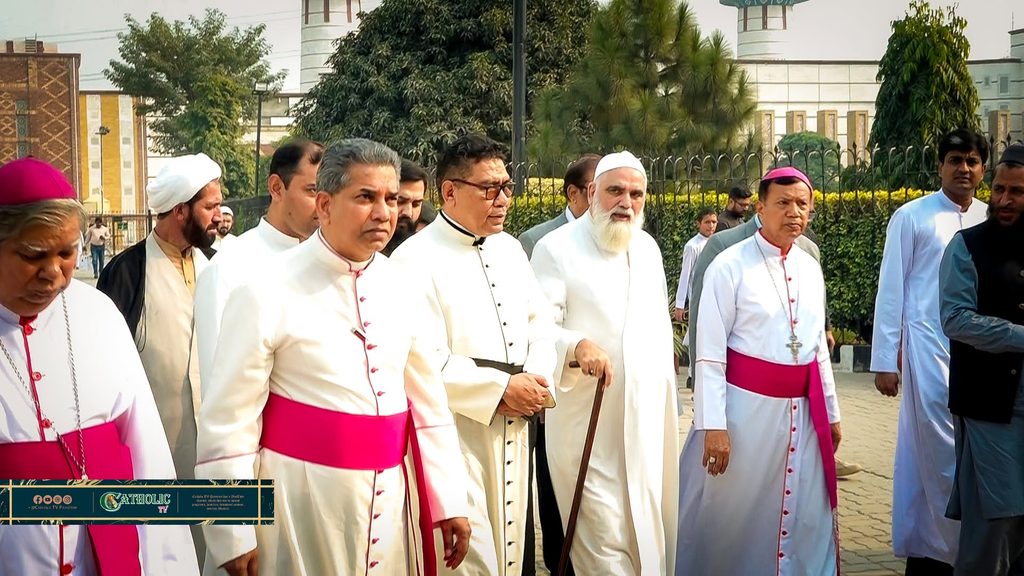
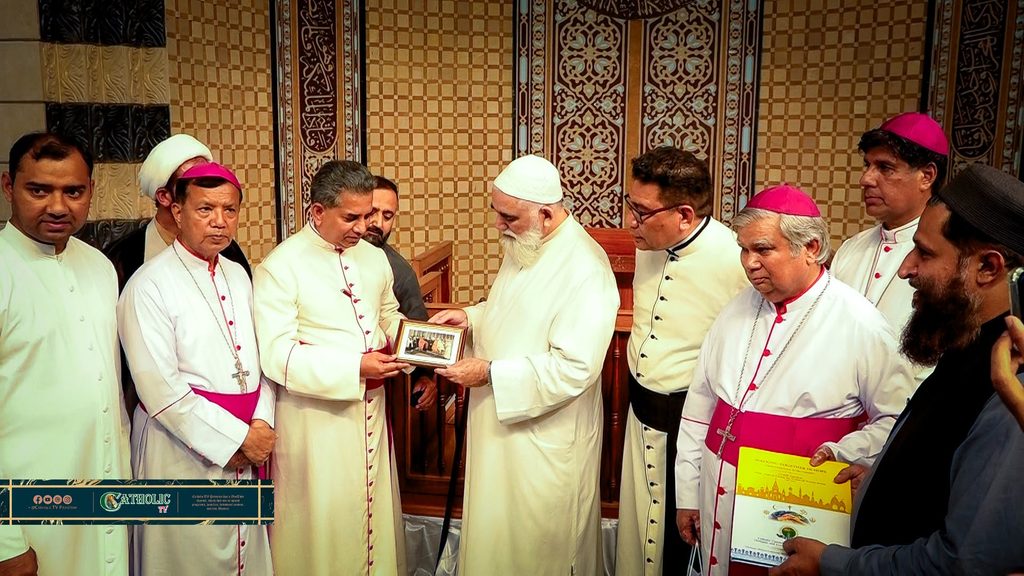
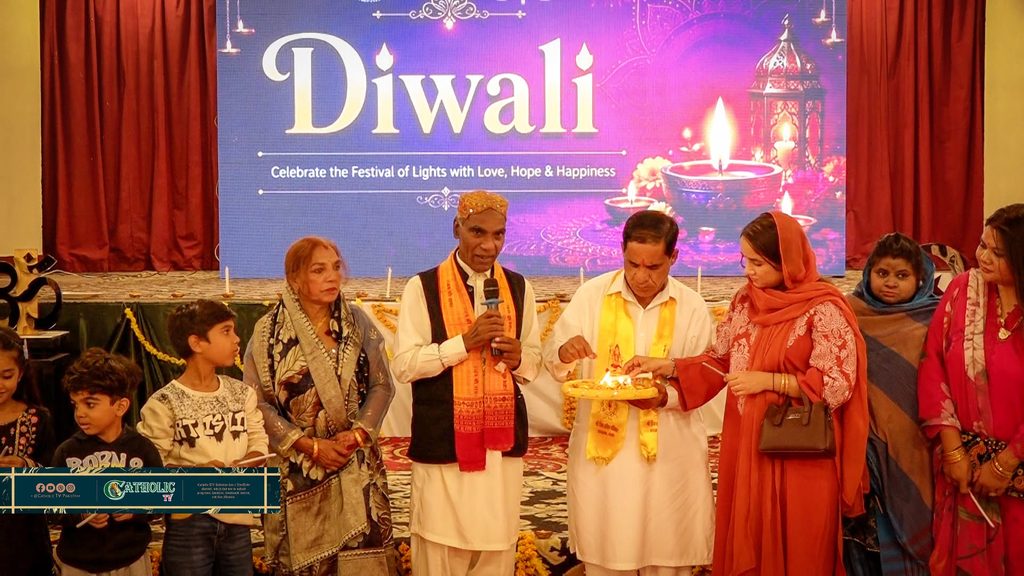
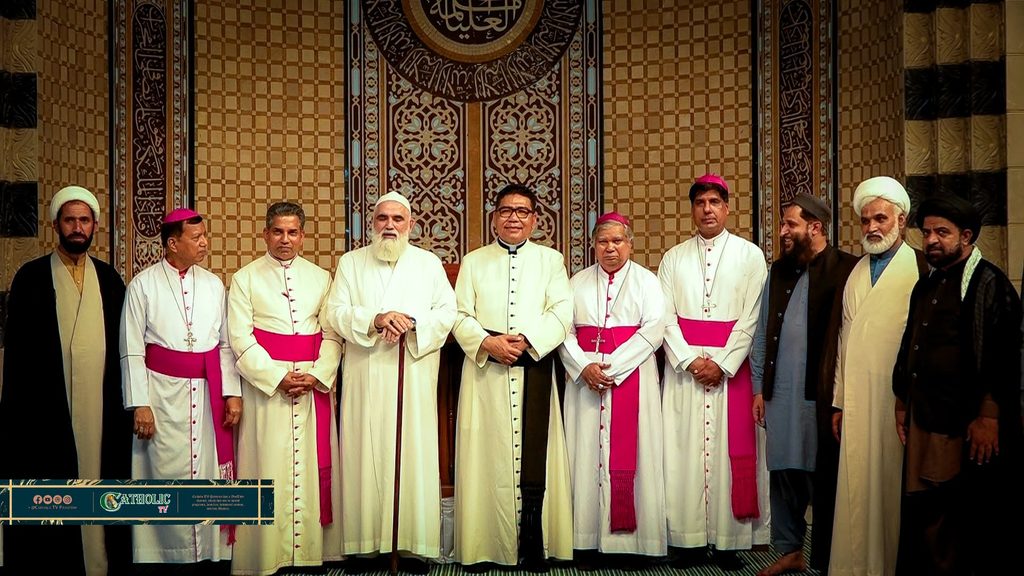
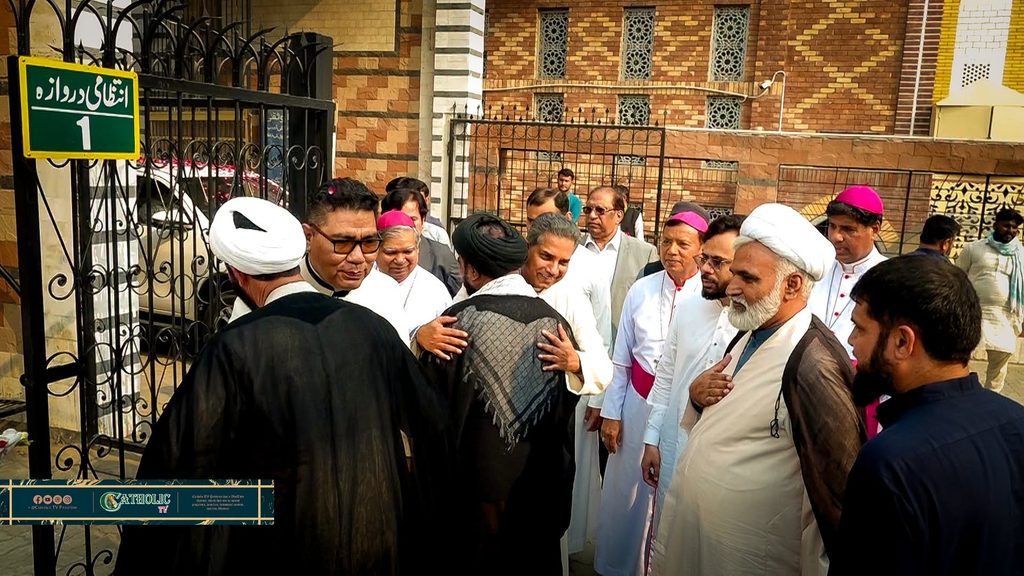
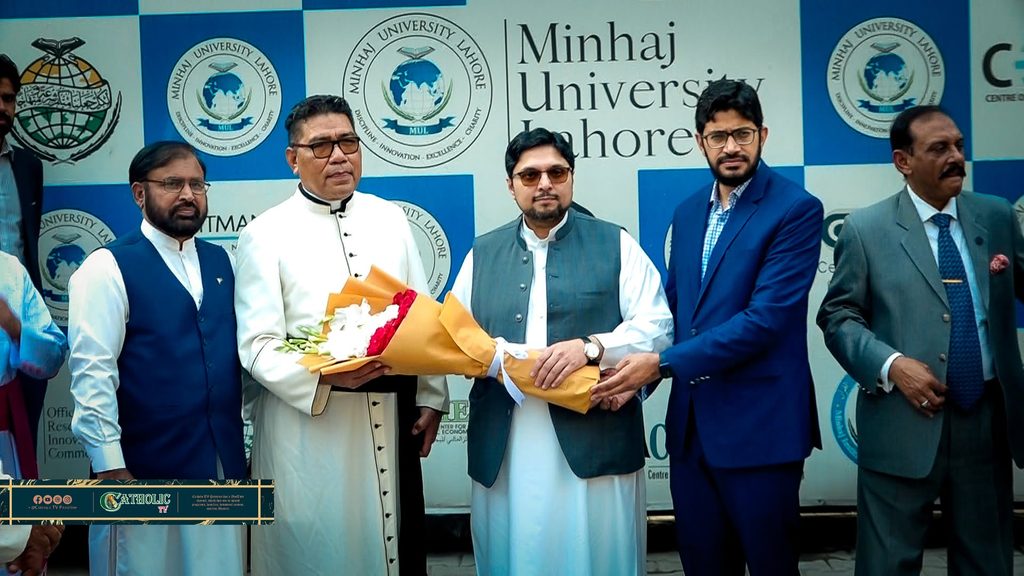
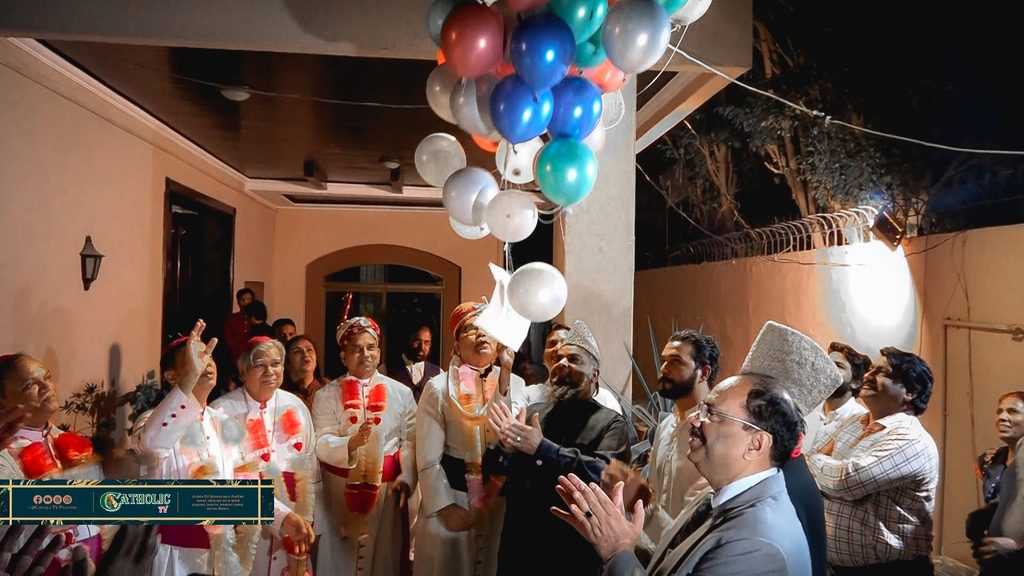
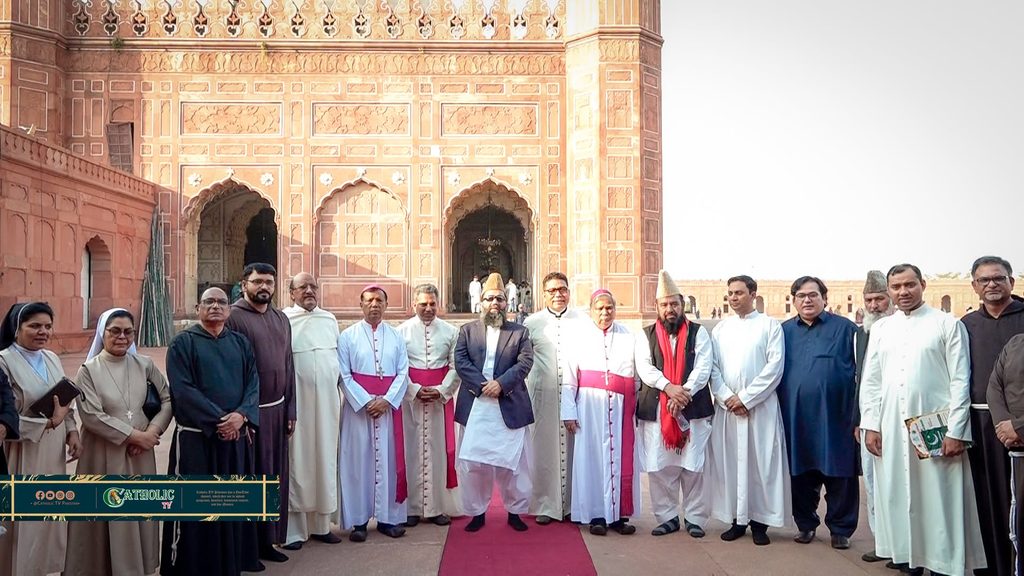
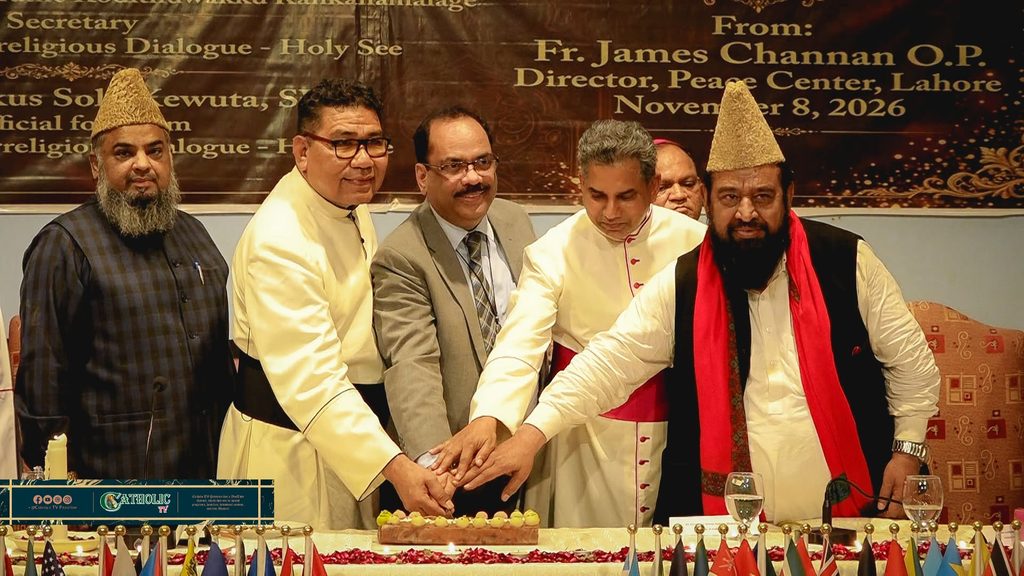
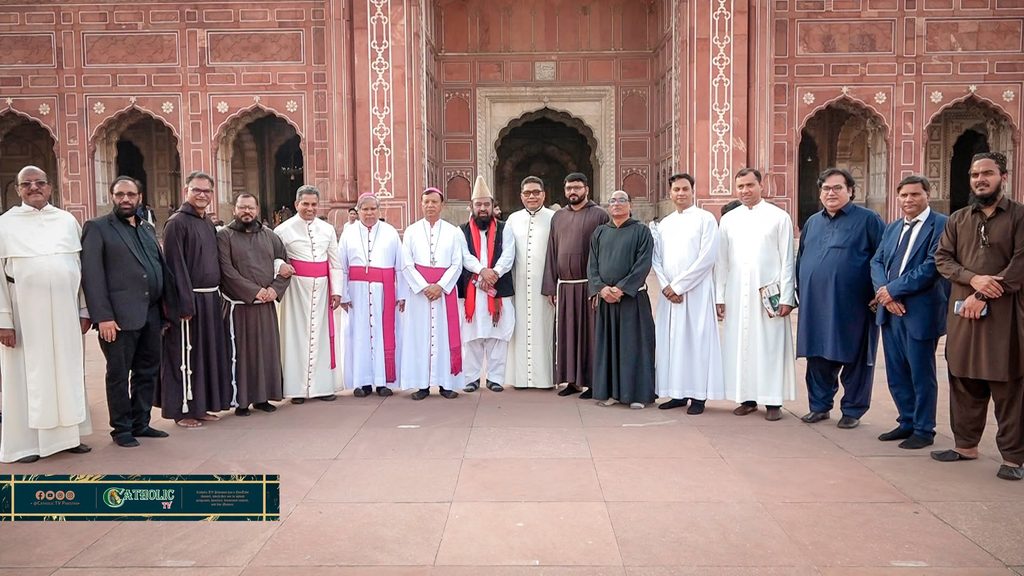
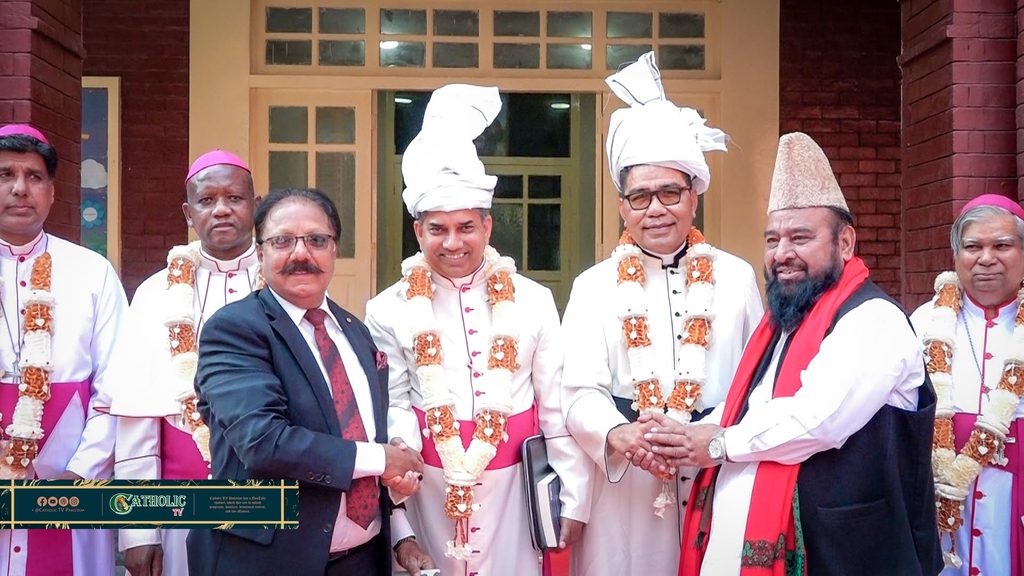
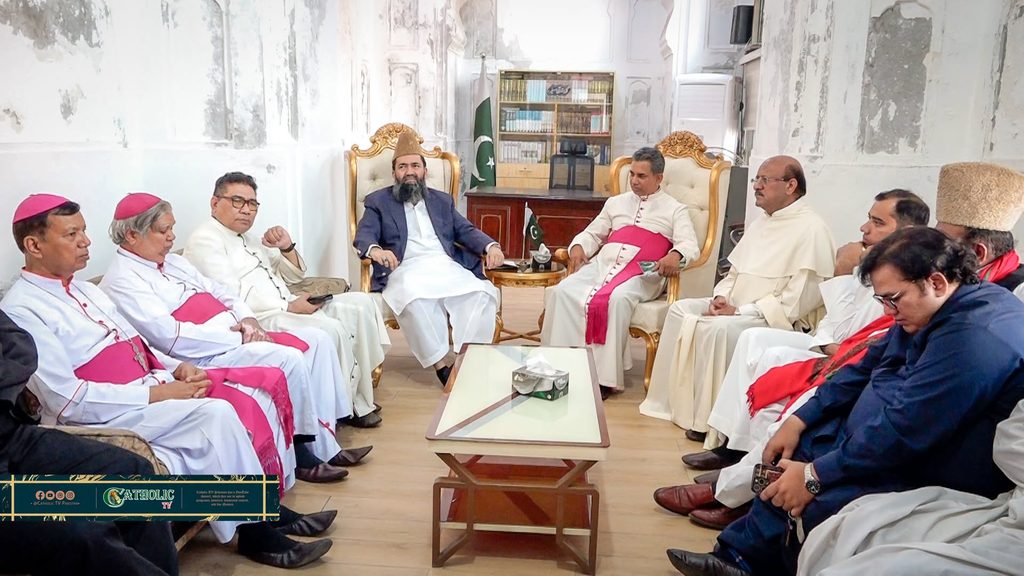
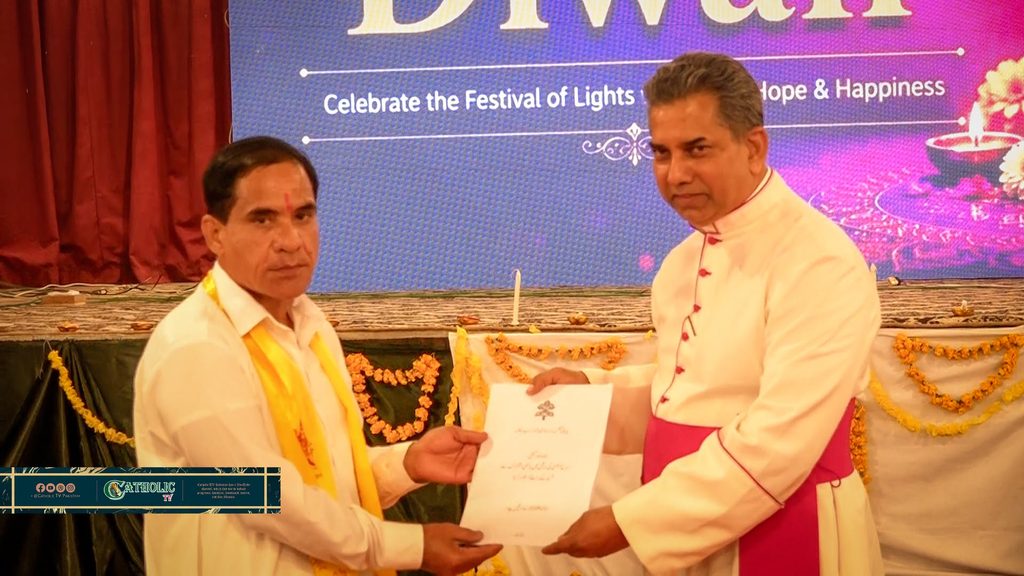
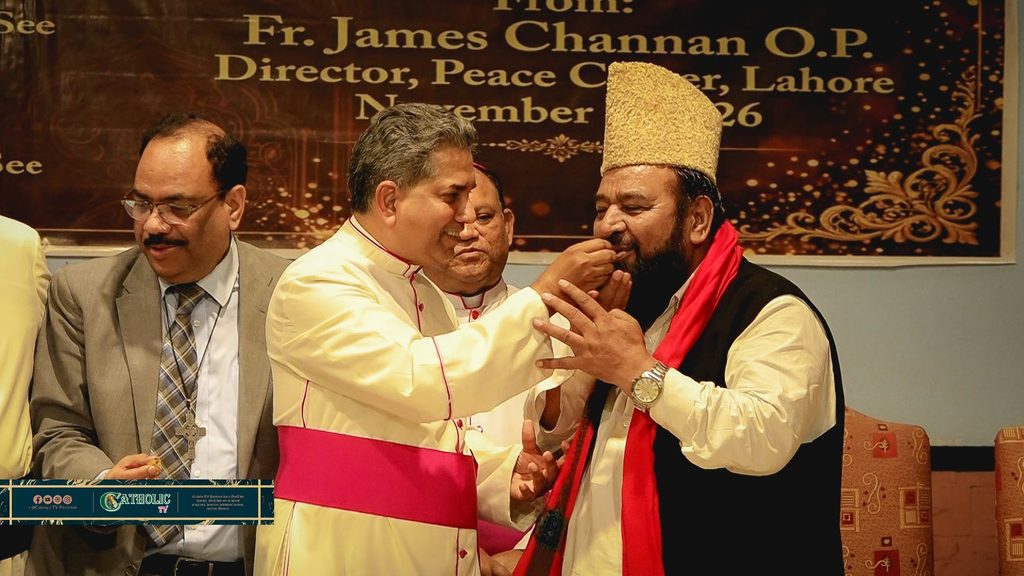
During their stay in Lahore, the Vatican delegation also visited the historic Badshahi Mosque, where it was received by Maulana Abdul Khabir Azad. The delegation met representatives of Minhaj-ul-Quran University and Jamia Urwa-tul-Wusqa, and visited the Peace Centre, where Dominican priests Fr. James Channan OP and Fr. Pascal Pulus OP welcomed the guests. These encounters provided opportunities to discuss relations between religious communities, mutual respect and cooperation for peace.
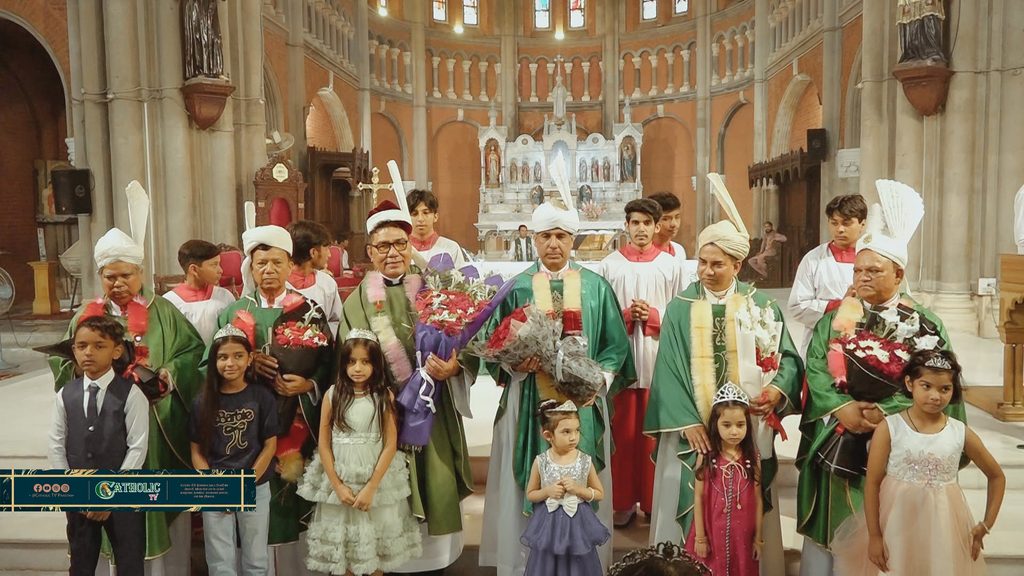
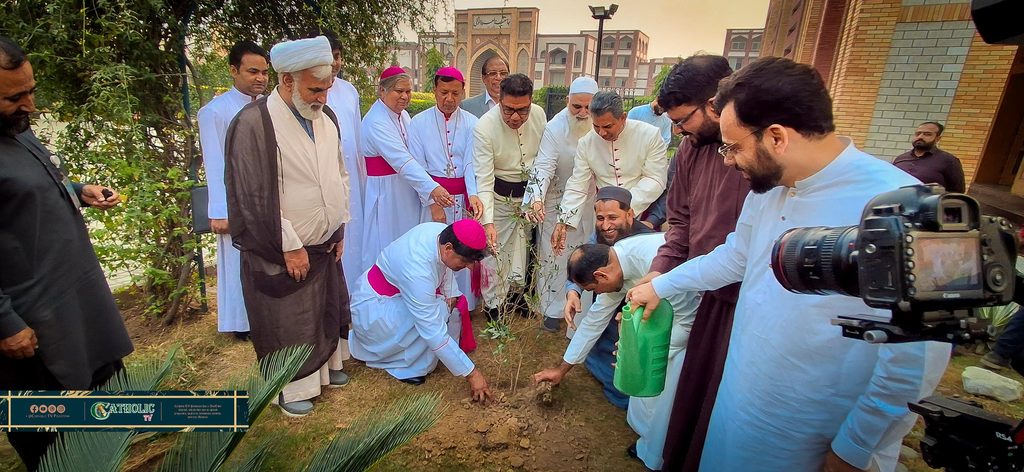
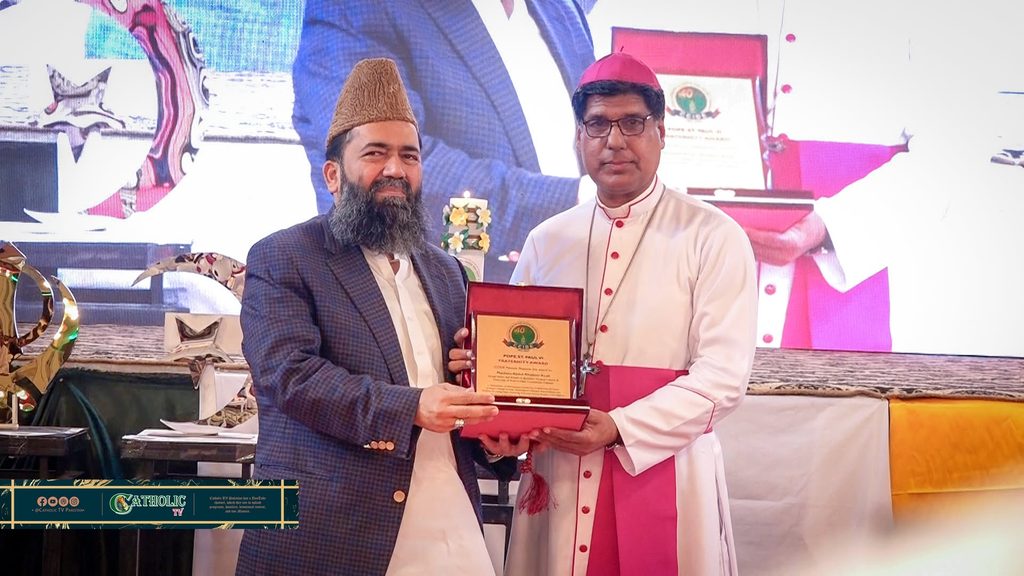
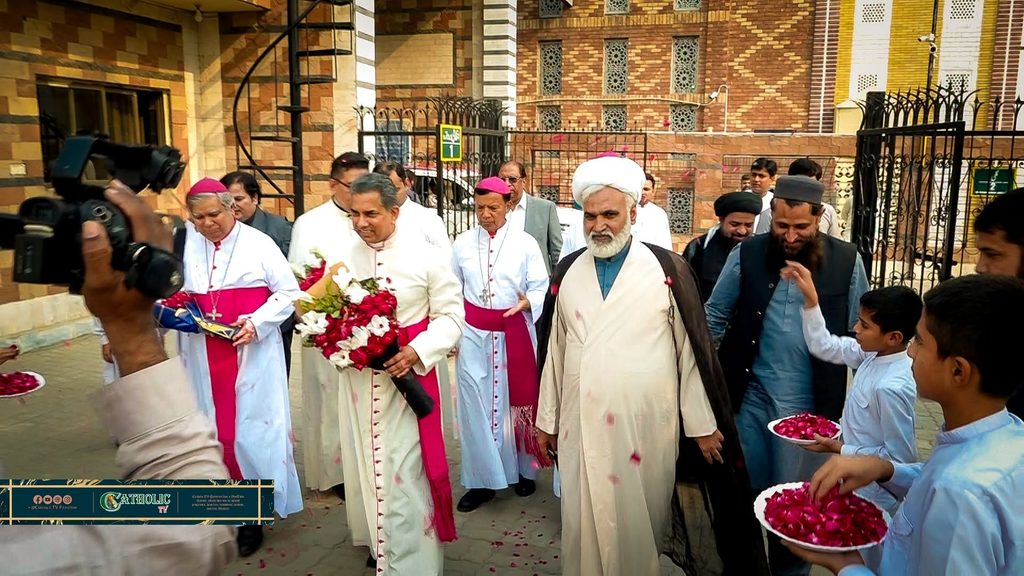
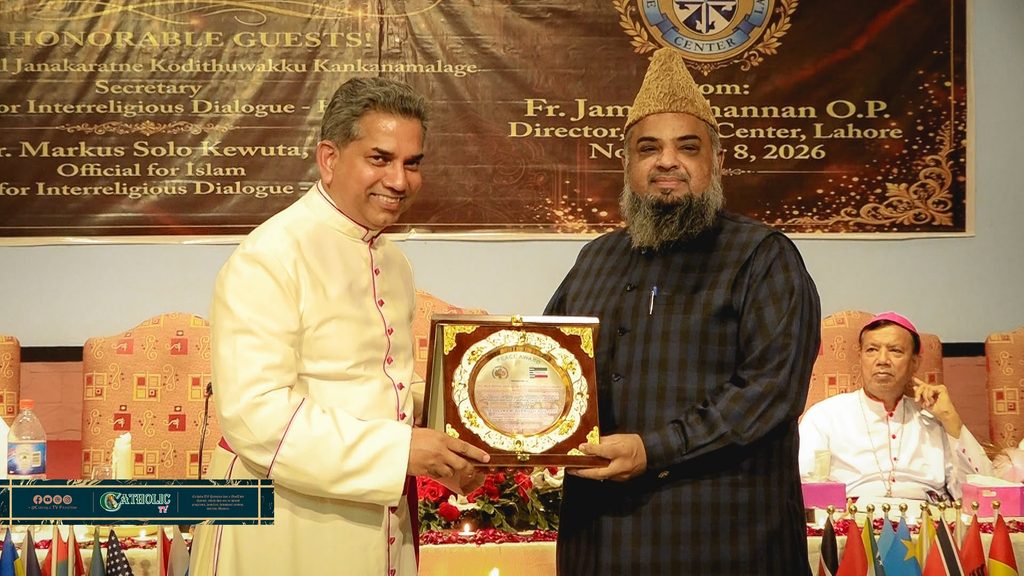
The delegation subsequently continued its visit to Karachi and Islamabad, where further meetings and activities on interreligious harmony were held.
For CCIDE Pakistan, the 40th anniversary is both a recognition of the work carried out over four decades and a renewed responsibility for the years ahead. The Jubilee recalled the contribution of those who laid the foundations of dialogue in the country and challenged the present generation to continue their work.
The message of the celebration was clear: religious identity and respect for others are not opposing values. People can remain faithful to their own traditions while working together for peace, justice and the dignity of every human person.
Photo Credits:
Share it: